You’ve probably heard the usual stories: massage your scalp, pick a “miracle” serum, wash more often, change your shampoo. Yet hair is not only a fashion accessory—it’s an active tissue, negotiating with hormones, immune signals, and mineral availability every day. And that’s where vitamin D and magnesium begin their quieter work. They don’t always announce themselves. They simply nudge the system toward growth, resilience, and steadier density. Once you view hair loss through the lens of nutrient signaling rather than surface-level care, everything starts to feel slightly… different. Not miraculous. Just more understandable. More solvable.
Reframing Hair Growth: It’s Not Just a Follicle Problem
Most conversations treat the follicle like an isolated factory: if it stops producing, you “fix” it directly. But follicles are never isolated. They’re embedded in a living ecosystem—blood supply, inflammatory tone, keratinocyte activity, and the endocrine messaging that arrives from elsewhere in the body. This is why two people can use identical routines and see completely different outcomes.
Hair growth is regulated by cyclical biology. During anagen, follicles proliferate and extend. During catagen, growth winds down. During telogen, shedding is more likely. The goal isn’t merely to prevent shedding in the moment—it’s to encourage follicles to re-enter anagen with steadier vigor.
Vitamin D and magnesium become compelling when you consider that hair follicles contain receptors and pathways responsive to these nutrients. This reframes the question. Instead of “What topical product will fix me?” it becomes: “What internal signals am I providing—or withholding?”
Vitamin D: The Overlooked Regulatory Signal
Vitamin D is often treated like a vitamin checklist item, but it behaves more like a regulatory hormone in the body. It influences how cells communicate, how immune processes behave, and how growth-related signals are interpreted. Hair follicles are not passive; they can respond to vitamin D signaling.
When vitamin D is insufficient, multiple systems can tilt toward less favorable conditions. Some individuals notice increased shedding or slower regrowth. Others experience brittle texture and a general “lifelessness” that doesn’t match their external care routine. That mismatch can be a clue: the problem may not be cosmetic—it may be biochemical.
Here’s the shift in perspective that piques curiosity: vitamin D deficiency doesn’t always announce itself through obvious symptoms. It can lurk, then quietly erode the body’s ability to maintain optimal growth signaling.
The Hair-Inflammation Connection
Inflammation is a frequent shadow behind hair problems. Chronic low-grade inflammation can disrupt follicular cycling and contribute to shedding. Vitamin D plays a role in modulating immune responses, helping guide inflammatory pathways toward balance rather than escalation.
Consider this: if your body is stuck in a constant “alert” mode, growth signals may be downgraded. Follicles might receive fewer instructions to proliferate. Even when you’re using nourishing oils and conditioners, an internally skewed immune environment can blunt progress.
This is why some people experience improvements only after addressing nutritional or systemic factors. Their routines finally “catch up” to their biology.
Magnesium: The Quiet Co-Factor for Cellular Energy
Magnesium isn’t usually marketed as glamorous. It doesn’t sparkle in ads. Yet it’s involved in hundreds of enzymatic reactions—processes that essentially power cellular work. Hair follicles are energy-demanding structures. When cellular energy production is constrained, growth can slow.
Magnesium also supports nervous system regulation and muscle function, but within hair growth context, its most relevant role is the orchestration of biochemical reactions. It helps enzymes do their job efficiently, supporting processes related to tissue maintenance.
Another curiosity-triggering detail: magnesium status can influence how the body handles stress. Stress hormones can impact hair cycling, and if magnesium is low, the body may struggle more to manage that biochemical tension.
Why Vitamin D and Magnesium Often Come as a Pair
These two nutrients are frequently discussed separately, but the body experiences them in combination. Magnesium is involved in how vitamin D is metabolized and activated. Without adequate magnesium, vitamin D may not function as effectively as it could.
Think of vitamin D as an information carrier and magnesium as part of the “processing network.” If the processing network is underpowered, the messages may not be translated properly. The result can look like partial or inconsistent improvement—even when vitamin D intake seems reasonable on paper.
For some people, this pairing explains a puzzling scenario: they supplement vitamin D, but the hair still doesn’t respond reliably. Adjusting magnesium intake may unlock a more consistent effect.
Signs Your Nutrient Landscape Might Be Off
Not everyone with low vitamin D or magnesium feels dramatically “unwell.” Still, patterns can emerge. Vitamin D insufficiency is sometimes associated with frequent fatigue, low mood, or a general sense of sluggish recovery. Magnesium deficiency can be linked with muscle cramps, sleep disruption, heightened irritability, or persistent tension.
Hair-related signs can include increased shedding, slower regrowth, reduced thickness over time, or changes in texture. But hair alone is not diagnostic. Hair is a messenger, not a map.
The more useful approach is the detective method: look for multiple clues across body systems, then confirm with appropriate testing and professional guidance.
Testing and Practical Verification
Instead of guessing, measure. For vitamin D, clinicians often evaluate blood levels of 25-hydroxyvitamin D. For magnesium, serum magnesium is helpful but not always perfectly reflective of total body status; doctors may interpret results alongside symptoms and other lab indicators.
Testing reduces uncertainty. It also prevents the common trap of over-supplementation. Hair growth is not improved by simply adding more of everything. It improves when imbalances are corrected thoughtfully.
Once you know where you stand, you can adjust dietary intake and supplementation with more precision—like tuning an instrument rather than replacing the whole band.
Food Sources: Gentle, Consistent, and Often Underestimated
Nutrition works best as a steady background rhythm. You can support vitamin D indirectly through dietary sources such as fatty fish (salmon, sardines), egg yolks, and fortified foods. Sunlight exposure also contributes to vitamin D status for many people, though real-world factors—latitude, skin tone, season, and lifestyle—complicate the equation.
Magnesium is found in nuts and seeds (almonds, pumpkin seeds), legumes (beans, lentils), whole grains, leafy greens, and cocoa. These foods don’t just deliver minerals. They provide accompanying nutrients that can improve overall metabolic and anti-inflammatory balance.
There’s an elegance in consistency. Hair follicles don’t grow in a single day; they respond over weeks and months. Dietary steadiness matches the timeline of follicular cycling.
Supplementation: When Curiosity Turns into Strategy
Supplementation can help, especially when diets are limited or when bloodwork suggests insufficiency. But it’s best approached like engineering: dose matters, timing matters, and tolerance matters.
Magnesium comes in different forms, each with different absorption and gastrointestinal tolerability. Some forms are gentler; others can cause digestive discomfort in certain people. Vitamin D is fat-soluble, so it’s commonly taken with meals containing some dietary fat.
Most importantly, supplementation should complement—never replace—real-life nutrition and scalp care habits. Think of it as upgrading the underlying “signal system,” not as a standalone miracle.
Expectations and the Timeline of Change
Hair biology is patient and slightly slow to respond. Improvements in shedding might appear first, followed by changes in growth and thickness later. Even then, results vary based on baseline nutrient status, genetics, hormonal factors, and any concurrent causes of hair loss.
If you’re coming from a severe deficiency, the change can feel surprisingly dramatic. If the deficiency is mild, progress may be subtle—yet still meaningful over time.
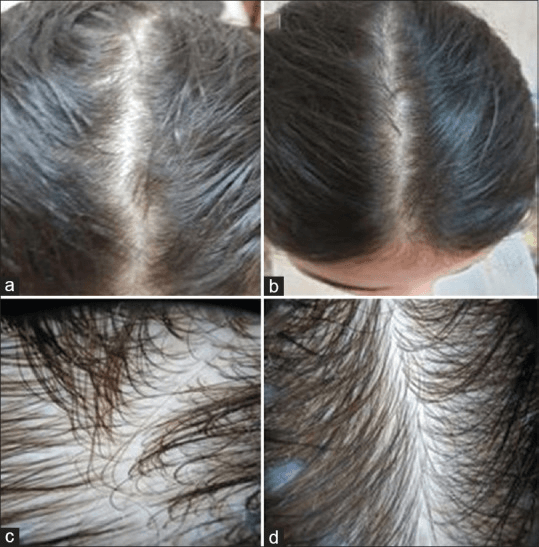
The key is to track—not obsess. Take periodic photos, note changes in shedding, and review lab results if advised. Consistency turns uncertainty into an actionable storyline.
Scalp Care Still Matters—but It’s Part of a Larger Story
Vitamin D and magnesium don’t negate topical routines. A healthy scalp environment supports follicles, too. Gentle cleansing, scalp-friendly hydration, and stress-aware behavior can align with the internal groundwork.
If you’re experiencing irritation, dermatitis, or itch, address those issues directly. Inflammation can be driven locally as well as systemically. The best outcomes often come from meeting both levels: internal nutrient signaling and external scalp comfort.
When both layers work together, hair routines stop feeling like rituals that never pay off—and start feeling like aligned maintenance.
A New Lens for Your Next Chapter of Hair Growth
Here’s the untold story in one sentence: hair growth is not merely cosmetic; it’s metabolic, immunologic, and nutrient-responsive. Vitamin D helps regulate signaling that can influence follicular cycling. Magnesium helps the body process, power, and stabilize cellular work—supporting the environment where growth can occur.
When you shift perspective from “search for a product” to “correct the internal environment,” hair care becomes more strategic. Not louder. Not trend-driven. Just smarter.
If curiosity has sparked, let it lead to verification: review symptoms, consider testing, and build a nutrition strategy that supports both vitamin D and magnesium. Your follicles have been listening all along. Now give them the signals they’ve been missing.