Have you ever taken Ozempic and then wondered—almost teasingly—whether your body is silently requesting a different kind of support, the kind that comes from sunlight, nutrition, and timing? It’s a fair question. And here’s the playful twist: what if the real challenge isn’t the weight, but the micro-physics happening underneath—bone turnover, immune signaling, and mineral choreography—while you’re steadily dialing in your glucose and appetite?
Because even when Ozempic is working, some users may run into an unexpected bottleneck: vitamin D3 insufficiency and the downstream effects of low D activation. Enter Vitamin D3 + K2—an elegant pairing that may help steer calcium to the right destinations, rather than letting it wander. Below are five reasons this combination is worth considering, especially if you’re using Ozempic and want to protect your long-term health.
1) Ozempic can indirectly nudge vitamin D status off balance
Ozempic isn’t a vitamin supplement. It’s a glucagon-like peptide-1 (GLP-1) receptor agonist—powerful for metabolic regulation, but not designed to correct micronutrient deficits. Still, when appetite changes and eating patterns shift, nutrient intake can become uneven. Some people eat less overall; others avoid certain foods more often; some unintentionally reduce fat-soluble vitamins such as D3.
Vitamin D3 is fat-soluble, meaning it relies on dietary absorption and adequate bile function for optimal uptake. If your routine becomes more restrictive, your vitamin D “supply chain” may weaken—slowly, quietly, almost like a metronome that keeps clicking but at a lower tempo.

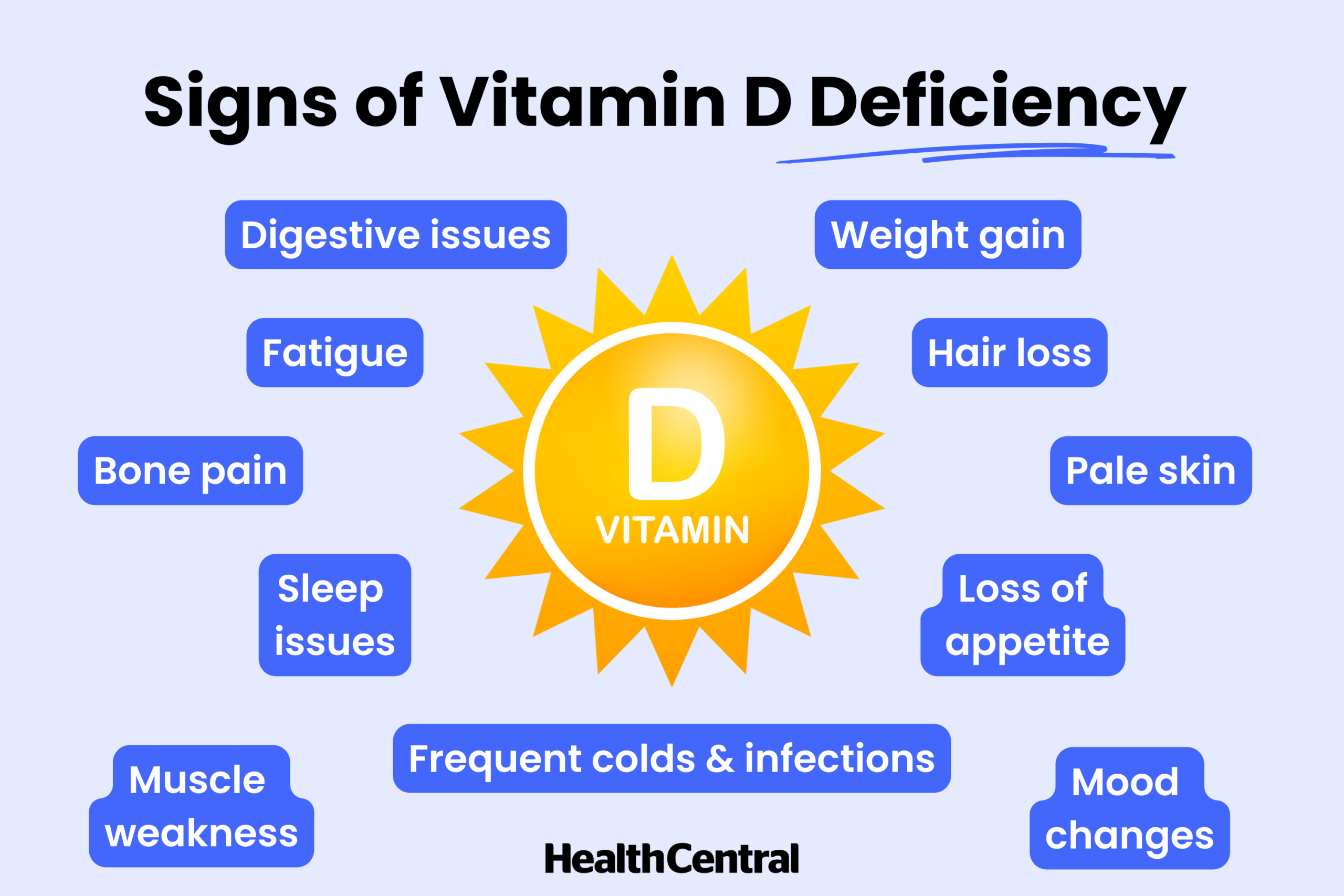
Potential challenge: even mild vitamin D insufficiency can creep in without dramatic symptoms. You may feel “fine,” yet your body could be running on suboptimal settings for immune function, muscle efficiency, and calcium handling. Supplementing D3 (paired with K2) may help restore momentum.
2) Vitamin D3 supports musculoskeletal resilience—especially when weight changes
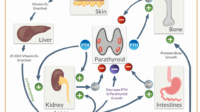
When weight decreases, the body adapts. That’s the point. But adaptation is not always gentle. Muscles and bones respond to changing load, hormones, and overall energy availability. Vitamin D3 plays a prominent role in calcium absorption and in the regulation of bone remodeling.
Think of it as a conductor for mineral logistics. Without enough vitamin D, calcium absorption can become inefficient—like trying to hydrate plants with a hose that barely drips. Over time, the bone environment can shift toward weaker structural confidence.
D3 also interacts with muscle function. People often focus on fat loss, but the body also cares about maintaining strength, balance, and functional movement. If you’re increasing activity—walking, resistance training, or even just being more mobile—adequate D3 can support the “mechanical” side of the transformation.

Potential challenge: reduced sun exposure, seasonal variability, and indoor lifestyles can compound D3 shortfalls. If you’re working out more, your body may ask for stronger nutritional coordination.
3) K2 helps aim calcium where it belongs
Vitamin D3 increases the absorption of calcium from the gut. That’s helpful—yet it creates a practical question: where does that calcium go after absorption?
This is where K2 becomes the unsung matchmaker. K2 supports proteins involved in directing calcium toward bone and away from soft-tissue calcification pathways. In other words, D3 may raise the amount of calcium available, while K2 may help ensure calcium is deposited appropriately.
Imagine calcium as a delivery package. Vitamin D3 is the shipping label that gets the parcel moving. K2 is the address system that reduces misdelivery. The combination is often framed as a “calcium-routing duo,” and for good reason.

Potential challenge: if calcium handling is disrupted, users may want to avoid assuming that “more calcium automatically equals better bones.” Supplementing thoughtfully—often with lab work and clinician guidance—matters.
4) Immune signaling and inflammation modulation can matter during metabolic change
Ozempic users may experience shifts in inflammation markers and immune signaling as metabolic health improves. However, the immune system is sensitive to micronutrient status. Vitamin D is often discussed as an immune-modulating nutrient—one that helps regulate inflammatory pathways rather than simply “turning immunity on.”
Long sentences can hide in complex biology, but here’s the gist: vitamin D participates in gene expression related to immune function. When D levels are adequate, the immune system may behave more smoothly—less chaotic, more coordinated.
Why does that matter? Because metabolic changes can be accompanied by stressors: altered diet, changes in gut function, shifts in physical activity, and sometimes GI symptoms. Even when those symptoms improve over time, the body benefits from a well-supported nutrient baseline.

Potential challenge: low vitamin D can be surprisingly common. Without adequate levels, the immune system may not respond with optimal precision—especially during periods of transition, when your body is still recalibrating.
5) Vitamin D3 + K2 may help you keep your “support stack” strategic
Many Ozempic users build a “support stack”: protein, fiber, hydration, sleep, electrolytes, strength training. Those elements are foundational. But a sophisticated stack also includes micronutrient alignment—because the best plan is the one that doesn’t leave critical levers untouched.
D3 + K2 can be a strategic addition because they work together across digestion, absorption, calcium distribution, and bone health. That’s not just a single-benefit supplement. It’s a systems-level pairing.
Short-term wins are seductive. But the real prize is long-term resilience—bones that hold steady, muscles that keep their contractile confidence, and a metabolic body that doesn’t run on nutritional shortfall.

Potential challenge: supplementation isn’t one-size-fits-all. Dosage, baseline labs, diet, medication interactions, and individual risk factors can all influence what “right” looks like. People on anticoagulants, for example, should be particularly cautious with vitamin K-related supplements and should consult a clinician before starting.
Before you begin, consider a practical next step: ask your healthcare professional about checking 25(OH)D levels and reviewing calcium intake. With guidance, you can choose a dose that aligns with your baseline and goals—turning this from a guess into a calibrated intervention.
So, are you using Ozempic to reshape your metabolism—and should vitamin D3 + K2 help protect the structural and signaling infrastructure that metabolism relies on? The question isn’t dramatic. It’s simply wise.