Children can be surprisingly curious about supplements. A brightly colored chewable, a parent’s good intentions, a “healthy” routine copied from an older sibling—these small moments can sometimes cascade into something more complicated: vitamin D toxicity. It begins with a dose that feels reasonable, or even “necessary,” and ends with a body overwhelmed by calcium regulation. The frightening part is that the fascination often precedes the harm. Vitamin D carries an aura of beneficence—sunshine in a bottle, the kind of nutrient everyone wants to claim. Yet the same potency that helps bones mineralize can, in excess, become a quiet saboteur.
Why Vitamin D Feels Safe (And Why That Belief Persists)
Vitamin D is one of those nutrients that seems inherently harmless because it’s associated with health, strength, and sunlight. Parents may notice that pediatricians recommend it for deficiency, especially in winter or in higher latitudes. It’s easy to extend that logic: if deficiency is risky, then more must be better—an intuitive assumption that sounds rational while skipping a crucial detail.
The deeper reason fascination persists is psychological comfort. People like certainty. A measured supplement regimen offers the illusion of control, especially when outcomes like rickets prevention are tangible. But vitamin D behaves differently than many vitamins. It is fat-soluble, meaning the body stores it, sometimes for long periods. This storage can turn an “extra” dose into a delayed overflow.
Another subtle factor is the variability of products. Drops, softgels, and fortified foods may contain different concentrations. Even well-meaning households can misread labels, double dose during a busy week, or continue a high-dose plan longer than intended. The result is often not an instant crisis. Instead, toxicity can emerge gradually—until symptoms finally become undeniable.
The Biology Behind Toxicity: When Calcium Overshoots
Vitamin D’s central job is to orchestrate calcium absorption and bone mineralization. When intake stays within a tolerable range, this coordination resembles a well-rehearsed performance. When intake overshoots, calcium levels can rise beyond what the kidneys and tissues can comfortably manage.
High circulating calcium—hypercalcemia—can irritate the gastrointestinal tract, disrupt hydration balance, and create neurologic effects. Children may become listless or unusually irritable. They can develop constipation, nausea, or abdominal pain. Over time, dehydration becomes a revolving door: too much calcium draws fluid away from where it’s needed, and the symptoms discourage normal intake.
Even the urinary system can be implicated. Calcium may precipitate in the kidneys, potentially contributing to stones or nephrocalcinosis. This is one reason toxicity deserves respect rather than dismissal. The complications are not merely biochemical trivia; they can reorganize how organs function for weeks or months.
Common Warning Signs Parents Often Miss
Toxicity does not always announce itself with dramatic imagery. Sometimes it looks like “a stomach bug” or “a phase.” That ambiguity is part of what makes it dangerous.
Early signals may include:
- Loss of appetite or persistent nausea
- Vomiting and constipation
- Increased thirst and frequent urination
- Unusual fatigue, weakness, or low activity
- Headache or irritability that seems out of character
Later, more concerning patterns can appear, particularly if calcium rises further: dehydration, lethargy, and, in severe cases, changes in heart rhythm. Not every child will present all symptoms. Some will look “off” without a clear explanation. That is why clinicians treat persistent, unexplained symptoms in the setting of supplement use as a diagnostic clue rather than background noise.
Doses to Avoid: The Practical Ranges That Raise Risk
Parents often ask for numbers. Numbers feel actionable. But toxicity risk is not solely about one single threshold, because body size, baseline vitamin D status, duration of dosing, and concurrent vitamin intake all matter.
Still, there are practical guardrails. In general, high-dose regimens—especially when repeated daily or continued beyond medical guidance—are where the problem begins. Children’s smaller bodies create less “buffer room” between therapeutic and excessive intake. What might be considered tolerable in an adult can be excessive in a child.
As a broad, safety-oriented principle, avoid giving vitamin D at high-dose levels unless prescribed and monitored. For many children, only modest supplementation is needed to correct deficiency. If a plan involves high-dose therapy, it should be time-limited, weight-appropriate, and followed by laboratory reassessment when recommended.
The most hazardous scenario is accidental stacking: an error in drops, a duplicate product, or an inadvertent “reset” where a previous high-dose bottle remains in use. A single high-concentration formulation can turn a “usual” number of drops into a surprisingly large total intake. That’s why the focus should be not only on dose size, but also on dosing accuracy.
How Overdosing Happens: The Hidden Mechanics of “Too Much”
Overdose is rarely a villainous plot. It’s usually mundane. The catastrophe is often bureaucratic and domestic—measurements, calendars, and communication failures.
Common mechanisms include:
- Misreading the label concentration (e.g., confusing IU per drop or per tablet)
- Doubling doses during a missed dose catch-up
- Using more than one supplement containing vitamin D (including multivitamins)
- Continuing a high-dose course after symptoms improve
- Storing and reusing old bottles without checking the formulation
There’s also a deeper reason this happens: caregivers are juggling multiple recommendations at once—vitamin D, calcium intake, nutrition upgrades, and immune-support trends. Vitamin D can become a quiet “background supplement,” and the family’s cumulative intake surpasses what any single product suggests.
Special Caution: Infants, Chronic Conditions, and High Sensitivity
Some children are inherently more vulnerable. Infants have smaller body mass and less tolerance for dosing errors. Their feeding patterns can also amplify symptom impact; once nausea or vomiting starts, dehydration can develop quickly.
Children with certain medical conditions may also require closer supervision. Disorders affecting calcium metabolism can create a situation where vitamin D’s effects are magnified. Additionally, genetic or endocrine factors may make the body less able to maintain stable calcium levels.
Even in otherwise healthy children, the “sensitivity” of a developing system means toxicity may arrive earlier than expected if dosing is inaccurate or prolonged. That is why tailored regimens matter. A one-size plan is convenient, but children are not standard units.
Diagnosis and Testing: What Clinicians Look For
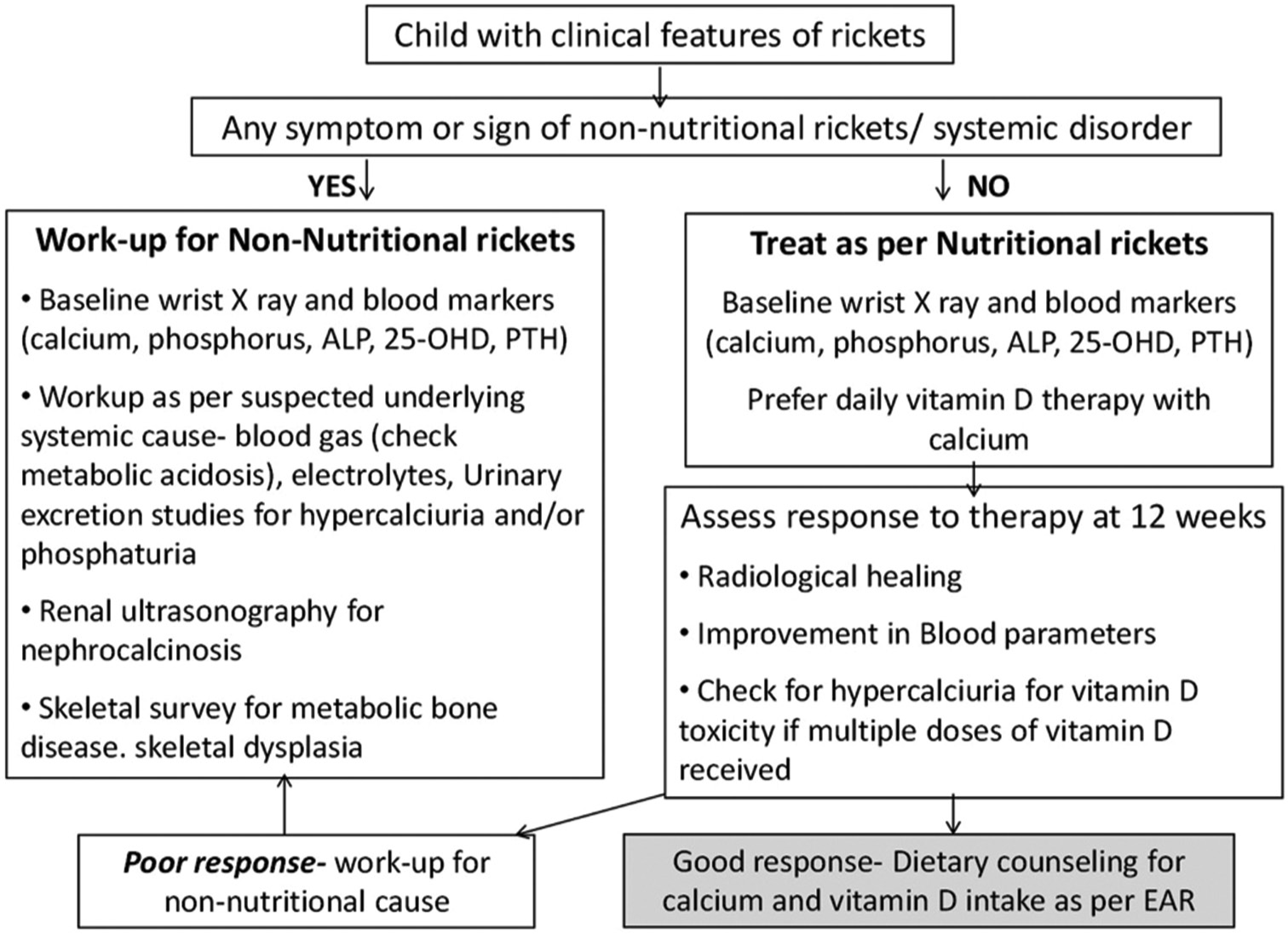
When toxicity is suspected, evaluation typically extends beyond a vague history of “too much vitamin D.” Clinicians often check calcium levels, kidney function, and related measurements that indicate how the metabolism is behaving.
Tests may include serum calcium and other labs that help determine whether vitamin D–driven hypercalcemia is present. The goal is to connect symptoms to physiology. This is where the fascination with supplements becomes something else entirely: evidence-based decision-making.
Importantly, symptoms can overlap with other pediatric illnesses. A vomiting child might have an infection, and a sleepy child might be dehydrated from multiple causes. That overlap makes testing a bridge between story and science.
Treatment: Steps That Usually Matter Most
Management depends on severity. If the ingestion is recent and limited, clinicians may focus on stopping further intake and assessing the body’s status. If toxicity is significant, treatment may include interventions to lower calcium and support hydration.
Hydration is often central. Normalizing fluid status can help the kidneys handle excess calcium more effectively. In more severe cases, medication strategies may be considered by a medical team. The timeline matters; vitamin D’s persistence in fat stores means symptoms can linger even after stopping supplementation.
Recovery is usually monitored with follow-up labs. The intent is not only to improve symptoms, but to restore stable calcium regulation so the child can return to normal energy, appetite, and organ function.
Prevention: Building a Safety Culture at Home
Prevention is where care becomes practical. The most protective approach is documentation and clarity. Keep a single dosing schedule visible—on a fridge, in a medication journal, or in a phone note. Record the product name, concentration, and number of drops or tablets given.
Double-check every label. If a child takes multivitamins, count the vitamin D within them. If grandparents or caregivers also administer supplements, ensure everyone follows the same plan. Communication is not tedious here—it’s a safety device.
Finally, avoid treating vitamin D as a “boost” during periods when wellness trends dominate. Wellness is valuable, but it should not be improvisational. If supplementation is needed, it should be deliberate, measured, and aligned with medical guidance.
When to Seek Urgent Help
Seek urgent medical evaluation if a child has persistent vomiting, marked lethargy, significant dehydration, increased urination with excessive thirst, or unusual neurologic behavior—especially if vitamin D supplementation was given in higher-than-recommended amounts or without clear dosing accuracy.
Time matters in pediatric care. Early recognition can prevent calcium levels from climbing further and can reduce the risk of kidney involvement. In that sense, the most heroic act is not the supplement itself—it’s the prompt decision to investigate when something feels wrong.
Closing Perspective: Respect the Vitamin, Not the Myth
Vitamin D toxicity in children is a reminder that “more” is not a moral upgrade. It’s a biochemical intervention with limits. The fascination around vitamin D stems from genuine benefits—bones, immune modulation, and deficiency prevention—but the same potency demands restraint.
When dosing is careful, supplementation can be a quiet ally. When dosing becomes casual, duplicated, or prolonged beyond guidance, it can transform into an uninvited complication. The goal is not fear. The goal is precision: measured, transparent, and medically aligned care that keeps sunlight’s chemistry safely in balance.