Have you ever wondered how something so quietly helpful—like vitamin D—could ever turn unhelpful? Here’s a playful challenge: imagine your body treating extra vitamin D like an overenthusiastic builder, piling materials into the wrong places. The result isn’t a dramatic “alarm,” but a gradual drift toward trouble. One of the more serious consequences is soft tissue calcification—a process where calcium deposits begin to accumulate in tissues that were never meant to harden. Let’s walk through what vitamin D toxicity is, why it can lead to calcification, and which signs deserve your attention.
What Vitamin D Toxicity Really Means
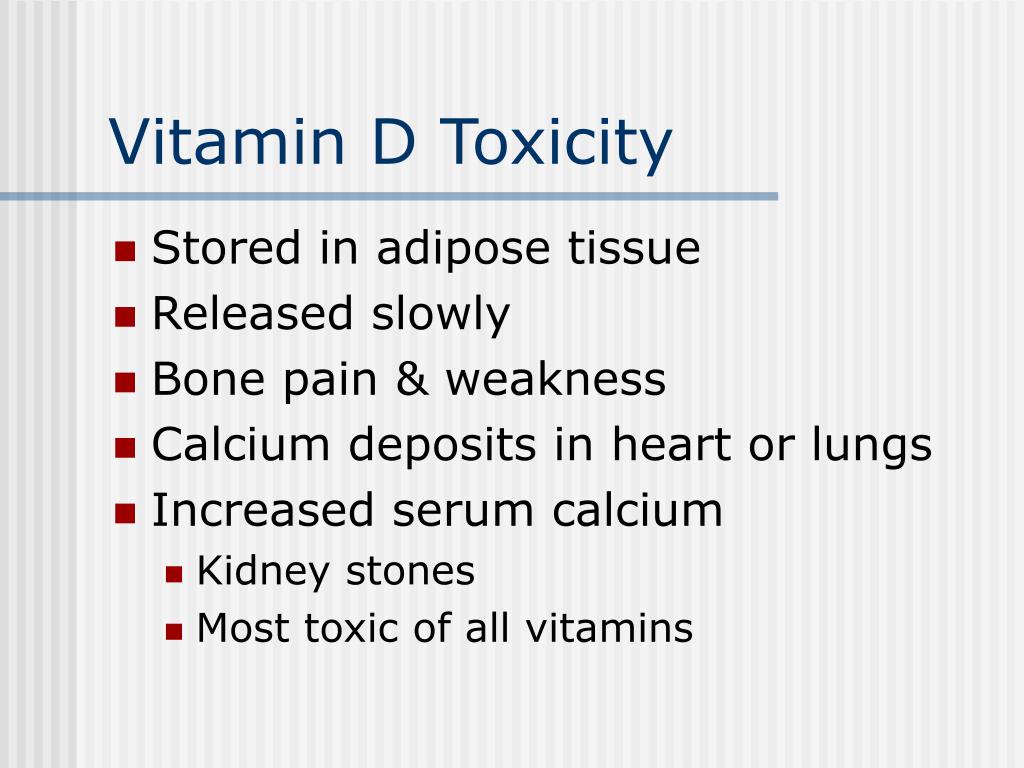
Vitamin D toxicity typically arises when vitamin D levels become excessively high for a sustained period. Vitamin D doesn’t just “increase vitamin D”—it orchestrates calcium absorption in the gut and influences calcium handling throughout the body. When the system overshoots, hypercalcemia (too much calcium in the blood) may develop. Hypercalcemia can then provoke a cascade of biochemical events, and calcium may start depositing where it shouldn’t.
Think of your body like a well-run museum. Calcium is the precious exhibit material. Vitamin D helps keep the lighting calibrated. But when the lighting is cranked too far, the exhibits begin to crumble into dust-like debris—except that “dust” becomes mineral deposits in sensitive spaces.
Soft Tissue Calcification: The Uninvited Guest
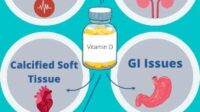
Soft tissue calcification refers to mineral accumulation in tissues such as blood vessel walls, kidneys, lungs, and other non-bony structures. It can be subtle at first, and that’s part of what makes it unnerving. Calcification may not cause immediate pain. Instead, it can slowly erode normal function, sometimes becoming visible only after imaging or when symptoms emerge.
The mechanism is closely linked to persistently elevated calcium (and often phosphate) levels. When serum calcium remains high, the body’s regulatory balance gets strained. Calcium then “finds footholds” in tissues, especially where local conditions favor mineral deposition.
Not all calcification is linked to vitamin D toxicity, of course. But vitamin D excess is one pathway that can push the body toward this outcome—particularly if supplements are taken at high doses without medical oversight.
The Metabolic Domino Effect: From Vitamin D to Calcium Overload
Vitamin D toxicity is rarely a single-step problem. It resembles a domino line: vitamin D drives up intestinal calcium absorption. Higher absorption contributes to elevated blood calcium. Elevated blood calcium can then affect hormone signaling—especially parathyroid hormone dynamics and kidney calcium handling. If the kidneys can’t excrete the excess efficiently (which can vary by person), calcium can accumulate.
Once calcium is abundant in circulation, the body may redirect the excess into tissues and excretory pathways. The “soft tissue” part matters: calcification in arteries or organs can interfere with elasticity, filtration, or normal tissue architecture.
Common Signs and Symptoms to Watch For
Symptoms of vitamin D toxicity can overlap with other conditions, so the key is pattern recognition. Early clues might feel like generic “too much” fatigue—yet they can intensify. Here are signs that can accompany hypercalcemia and calcification processes:
Neuromuscular sensations: weakness, lethargy, muscle aches, sometimes a sense of sluggishness that seems out of proportion.
Gastrointestinal disturbances: nausea, constipation, abdominal discomfort. These symptoms are common when calcium levels climb.
Hydration and urinary changes: increased thirst, frequent urination, dehydration. This can occur because kidneys attempt to offload excess minerals.
Cardiovascular hints: palpitations or abnormal rhythm sensations in some people, though not everyone notices this.
Kidney-related issues: flank discomfort, reduced kidney comfort, or worsening lab markers. Over time, kidney stones can occur, and calcification risk may rise.
Respiratory or structural concerns (in more advanced cases): if calcification involves lungs or airway structures, symptoms may include persistent shortness of breath or unusual cough patterns.
Short version: if you’re feeling unwell while consuming high-dose vitamin D, the body may be signaling that the calcium system is stuck in the “too high” position.
Soft Tissue Calcification—What It Can Look Like in the Body
Calcification doesn’t distribute randomly. Certain areas may be more vulnerable, particularly where local biology and blood flow patterns make deposition more likely. Potential sites include:
Kidneys: nephrolithiasis (kidney stones) and calcific deposits. Kidneys are already in charge of mineral balance, so stress shows up here first for many people.
Blood vessels: calcium deposition in vessel walls can contribute to stiffness and vascular dysfunction.
Other soft tissues: occasional deposits may appear in tissues such as connective structures, depending on the individual’s risk profile and duration of excess.
Importantly, imaging findings don’t always match symptoms. Some people may feel relatively fine while deposits are still forming. That’s why lab work and clinical context matter.

Risk Factors: Why Some People Are More Vulnerable
Not everyone is equally likely to develop toxicity. Risk increases when high doses are taken, often over time, but other variables can amplify vulnerability. Consider:
High-dose supplementation: especially long-term use of large daily amounts without monitoring.
Stacking products: vitamin D combined across multiple supplements (including multivitamins) can quietly overshoot target dosing.
Underlying medical conditions: disorders affecting calcium metabolism or kidney function can elevate risk.
Granulomatous diseases or certain immune conditions: in some cases, vitamin D metabolism may be dysregulated.
Medication interactions: some therapies can influence calcium levels or kidney handling, reshaping the risk landscape.
Here’s the twist: “natural” doesn’t automatically mean “safe at any dose.” Your body still runs strict chemistry, and chemistry obeys physics.
How Soft Tissue Calcification Is Detected
Detection can involve both lab tests and imaging. Lab markers often include serum calcium, sometimes phosphate, and kidney function indicators. Imaging may be used when calcification is suspected or if symptoms suggest organ involvement.
Depending on clinical circumstances, clinicians may look for patterns consistent with mineral deposition—then correlate those findings with the person’s supplementation history, symptoms, and lab results. In other words, calcification isn’t diagnosed by one clue. It’s confirmed by the whole story.
If vitamin D toxicity is suspected, the clinician will typically evaluate timing—when high doses started, whether symptoms began gradually or abruptly, and whether other supplements or medications are present.
What To Do If You Suspect Toxicity
If you suspect vitamin D toxicity, treat it as a “pause and assess” moment. Stopping vitamin D supplements may be appropriate, but medical guidance is important because the situation can involve elevated calcium levels that sometimes require active management.
Hydration status matters. Calcium balance is delicate, and dehydration can worsen hypercalcemia-related symptoms. But self-treating with aggressive strategies without lab confirmation can be unwise.
A clinician may order tests and then recommend an individualized plan. In more severe cases, treatments may include interventions aimed at lowering calcium and supporting kidney function. The goal is not just to reduce numbers—it’s to protect tissues from ongoing calcification risk.
Prevention: How to Keep Vitamin D in Its Lane
Prevention is where thoughtful dosing becomes a form of self-care. Start with the idea that vitamin D needs vary based on baseline levels, sun exposure, body weight, and health conditions. Rather than guessing indefinitely, consider periodic measurement and guideline-based dosing.
Practical prevention steps include:
Check total intake: account for all sources of vitamin D, not just one bottle.
Avoid “mega-dose” habits: large doses may be appropriate only under supervision for specific deficiency cases.
Monitor when risk is higher: if there’s kidney disease, a history of stones, or metabolic disorders, medical oversight becomes more important.
Use symptoms as signals: persistent thirst, constipation, weakness, or unusual fatigue should not be waved off when supplementation is involved.
Prevention is less about fear, more about calibration—keeping the body’s calcium system elegantly balanced.

When to Seek Urgent Care
Some signs should trigger urgent evaluation rather than waiting. If you experience severe weakness, confusion, persistent vomiting, significant dehydration, or concerning cardiac symptoms (like fainting or severe palpitations), immediate medical care is warranted. Hypercalcemia can become dangerous quickly, and soft tissue calcification risk is the longer-term consequence of ongoing imbalance.
Even if symptoms seem mild, it’s still wise to act promptly if labs aren’t known and vitamin D dosing was high. The body’s chemistry can move from “annoying” to “serious” without much warning.
Final Thought: A Balanced Approach Beats Guesswork
Vitamin D is a helpful ally—when used like a scalpel, not a sledgehammer. Soft tissue calcification is not a common storyline, but it’s a real one when calcium regulation goes off-script. The challenge is simple: stay curious, stay calibrated, and let evidence guide dosing rather than intention alone.
If you’ve been taking higher-than-usual vitamin D or notice symptoms that could align with calcium imbalance, consider it an invitation to check—not to panic. Your body is speaking. The best response is to listen, measure, and adjust.