Have you ever heard a nutrient described as “ordinary,” only to discover it can turn into a plot twist when mismanaged? Vitamin D is often treated like a dependable side character—quiet, helpful, and easy to love. Yet, in the rare moments when the story veers off course, it can contribute to toxicity. And sometimes, that toxicity doesn’t stay confined to the usual suspects like bones or kidneys. Occasionally, it reaches into unexpected territory—pancreas function—raising the question: how could a vitamin become a dramatic pancreatitis cameo?
Vitamin D: The Helpful Hormone-Like Molecule
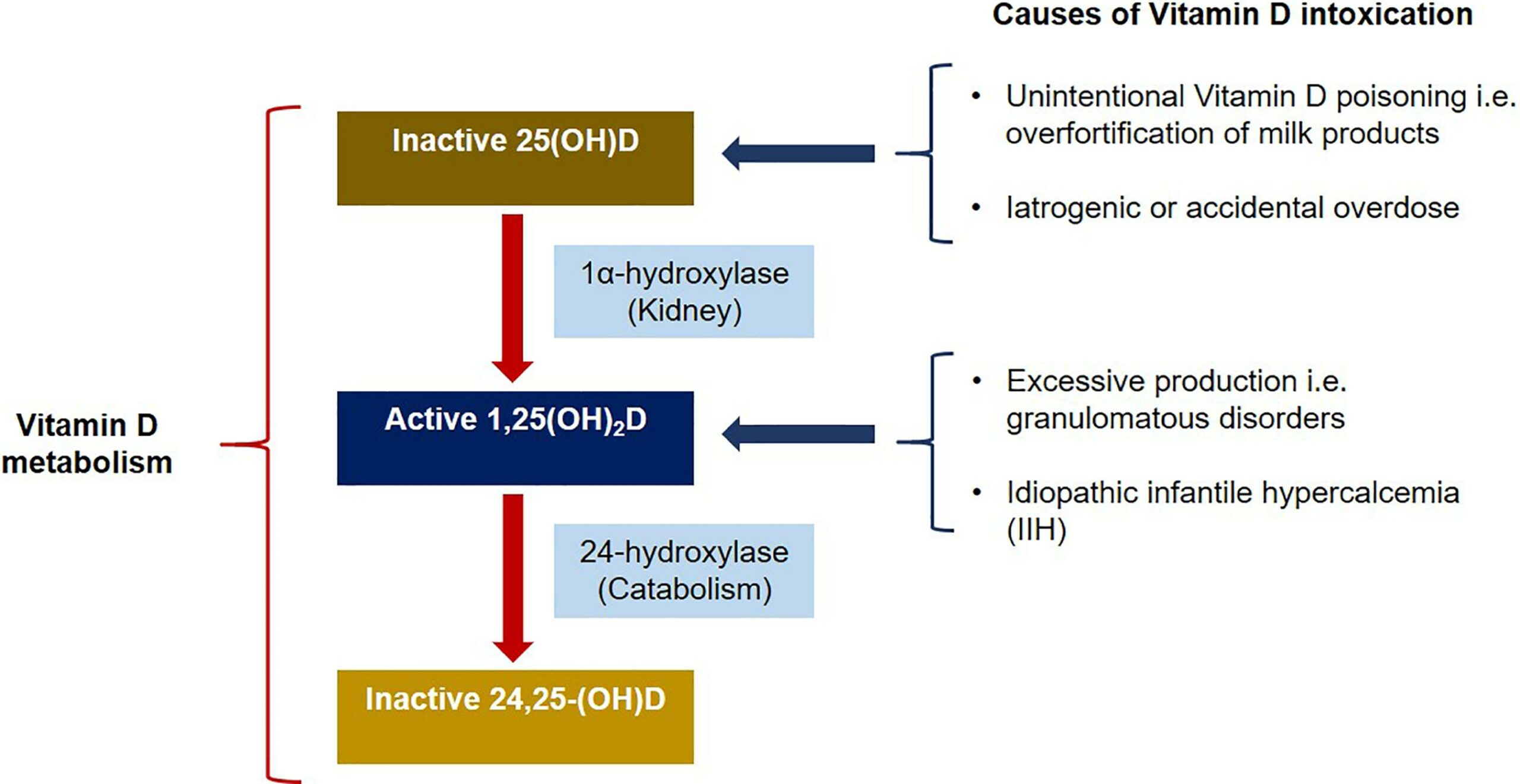
Vitamin D is technically a vitamin, but it behaves more like a pro-hormone. In the body, it participates in a regulatory cascade that supports calcium and phosphate homeostasis. When vitamin D levels are sufficient, it helps optimize absorption of calcium from the intestine and supports normal musculoskeletal physiology. It also participates in immune modulation—an additional reason it has become popular in wellness routines.
People often assume that because vitamin D is “natural,” more must be better. The body, however, isn’t powered by optimism. It follows chemistry. And chemistry has upper thresholds.
The Narrow Ridge Between Benefit and Toxicity
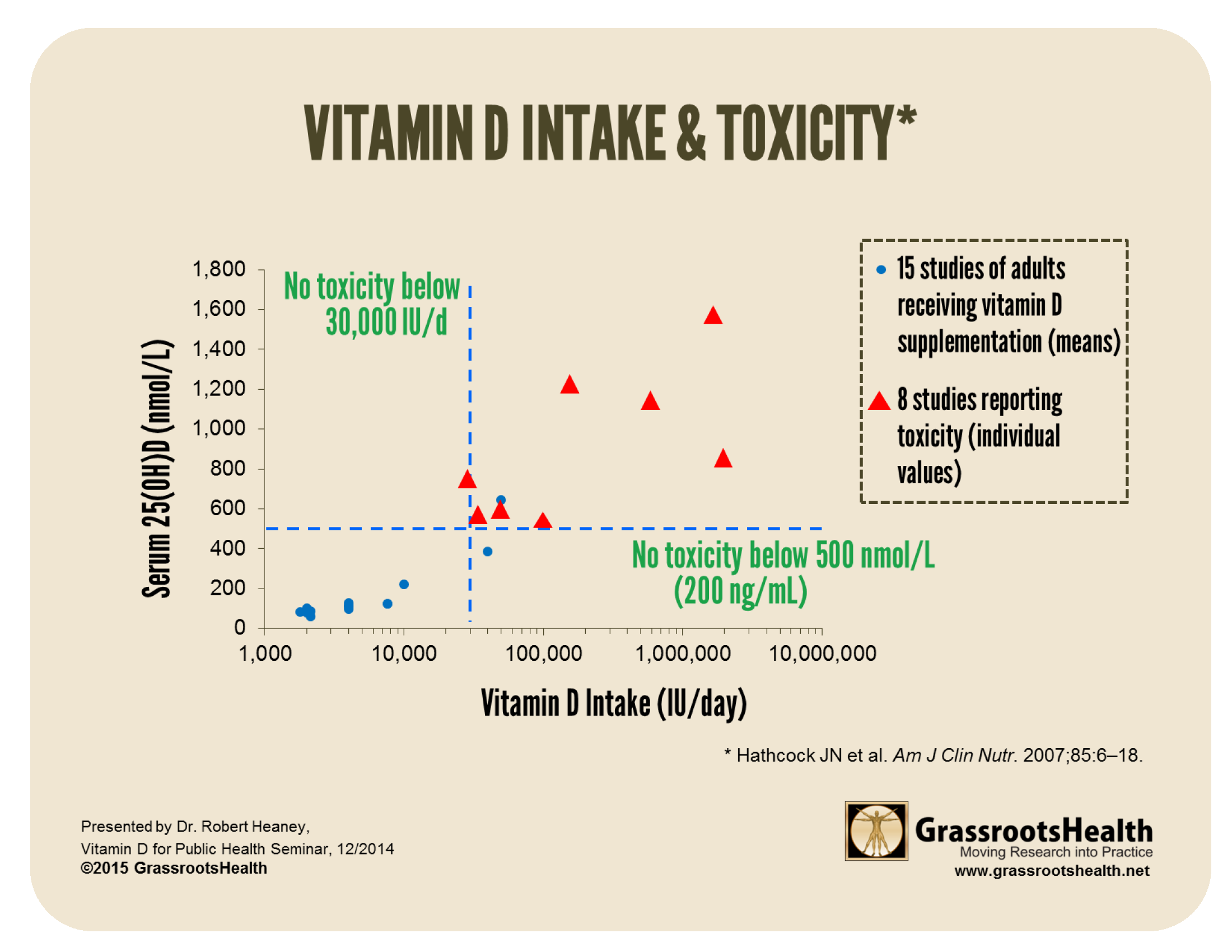
Vitamin D toxicity typically involves persistently excessive intake leading to markedly elevated 25-hydroxyvitamin D (the main circulating marker). Because vitamin D is fat-soluble, it can accumulate, and accumulation can tip the balance of calcium regulation.
The key danger is hypercalcemia: when calcium levels rise too high, the body experiences a cascade of downstream effects. It can cause gastrointestinal disturbances, neurocognitive symptoms, dehydration, and renal stress. The threshold varies across individuals, but toxicity generally requires sustained high dosing rather than a one-time mistake.
Here’s where the playful question becomes a practical challenge: if you’re taking vitamin D, are you also measuring it—at least once—rather than guessing with blind faith?
How Hypercalcemia Can Stir Up the Pancreas
Pancreatitis is inflammation of the pancreas, often triggered by gallstones, heavy alcohol use, certain medications, or metabolic disturbances. In the setting of vitamin D toxicity, the proposed mechanism frequently begins with hypercalcemia. Elevated calcium can activate digestive enzymes prematurely within the pancreas, creating a biochemical environment that favors inflammation.
Additionally, hypercalcemia can disrupt pancreatic microcirculation and cellular signaling. Even when the pancreas is structurally intact, the metabolic “weather” can change rapidly. Think of it like a delicate orchestra: vitamin D toxicity doesn’t need to vandalize the instruments; it can simply change the tuning system until the performance becomes chaotic.
While pancreatitis from vitamin D toxicity remains rare, documented cases suggest that elevated calcium—driven by excessive vitamin D—can be part of the causal chain in certain vulnerable patients.
Who Might Be More Vulnerable?
Not everyone shares the same risk profile. Individuals with certain medical conditions may be predisposed to dysregulated calcium handling or altered vitamin D metabolism. This includes people with granulomatous diseases (where vitamin D regulation can become “self-amplifying”), certain genetic conditions affecting calcium balance, or chronic kidney disease.
There are also behavioral and practical factors. High-dose vitamin D regimens are sometimes initiated without adequate laboratory monitoring. Sometimes labels are misread. Sometimes multiple supplements stack unknowingly. And sometimes dosing advice is shared casually, without appreciating that blood levels respond with individual variability.
Could your regimen be “stacking” like a nesting doll—each layer small, until the total becomes unexpectedly large?
Recognizing the Early Signals of Vitamin D Toxicity
Symptoms of toxicity can creep in like a slow leak. Early complaints may include nausea, vomiting, constipation, appetite loss, excessive thirst, frequent urination, fatigue, and weakness. Some individuals experience confusion or mood changes. The body is trying to compensate for electrolyte and fluid imbalance, and those compensations can be exhausting.
Because these symptoms overlap with many other conditions, the timeline and context matter. A person who recently started or increased vitamin D dosing—especially without lab monitoring—should be considered in the differential diagnosis when hypercalcemia is present.
One practical challenge is that people may assume these symptoms are unrelated “side effects” or the flu. Yet, the combination of symptoms plus elevated calcium can point toward toxicity.
Pancreatitis: When the Pain Writes Its Own Warning
Pancreatitis commonly presents with significant upper abdominal pain, often radiating to the back. Nausea and vomiting may accompany the pain. In more severe cases, patients can develop fever, rapid heart rate, and low blood pressure as inflammation intensifies.
In a setting of suspected hypercalcemia, pancreatitis becomes more plausible—not as a default assumption, but as a meaningful possibility that clinicians should consider. Blood tests can help confirm the diagnosis and gauge severity, while imaging may evaluate inflammation or complications.
Here’s the crucial pivot: vitamin D toxicity isn’t just about numbers on a lab report. It can manifest as an acute, painful, and serious condition.
Diagnosis: Connecting the Dots with Labs and Clinical Context
Diagnosis usually involves a coordinated review of symptoms, medication and supplement intake, and laboratory findings. Serum calcium is a central piece. Additional labs may include markers of kidney function, electrolyte panels, and specific tests to evaluate pancreatic inflammation.
Vitamin D assessment may include measuring 25-hydroxyvitamin D levels, particularly when intake is high or when hypercalcemia has no obvious explanation. If pancreatitis is suspected, clinicians may order pancreatic enzyme tests and consider imaging based on severity and risk.
The diagnostic process is like assembling a mosaic. Each lab result contributes a tile. A single abnormal value might be noise; a pattern becomes a map.
Treatment: Turning Down the Biological Volume
Treatment depends on severity but often starts with stopping supplemental vitamin D and addressing hypercalcemia. In many cases, hydration is used to support kidney excretion of calcium. Medications may be employed to reduce calcium levels and manage symptoms. Monitoring is typically ongoing, because calcium can remain elevated for some time depending on the magnitude of excess and individual physiology.
When pancreatitis occurs, it requires standard supportive care: pain management, fluid support, and monitoring for complications. The goal is to reduce inflammation and allow the pancreas to recover.
Recovery can be gratifying, but it must be managed carefully. The body heals best when the original trigger—excess vitamin D or calcium imbalance—is removed.
Prevention: A Smarter Approach to Supplementation
Prevention is where people can regain agency. Instead of relying on guesswork, consider a strategy: confirm baseline vitamin D status with laboratory testing, use dosing aligned with clinician guidance, and recheck levels after an appropriate interval.
Be cautious with high-dose “stacking” habits—multiple products, drops plus capsules, or frequent “extra” dosing. Also, remember that seasonal changes and sun exposure patterns can influence levels.
And if someone in your household is taking high-dose vitamin D, it’s worth discussing a shared plan rather than letting each person pursue independent dosing logic.
When to Seek Urgent Care
Seek urgent medical attention if symptoms suggest significant hypercalcemia—especially severe dehydration, confusion, persistent vomiting, or severe abdominal pain. Pancreatitis symptoms merit prompt evaluation because complications can develop quickly.
The best time to act is before dehydration and inflammation escalate. In rare scenarios, vitamin D toxicity can progress from mild discomfort to a serious acute event, and time matters.
The Takeaway: Respect the Threshold
Vitamin D supports health, but it isn’t an endless resource. The line between “beneficial” and “toxic” can be crossed when intake becomes excessive or when monitoring is absent. And in an uncommon, medically significant twist, vitamin D toxicity—via hypercalcemia—may contribute to pancreatitis.
So the playful question becomes a confident challenge: will you treat vitamin D like a careful tool instead of a casual habit? With thoughtful dosing, lab-guided decisions, and attention to symptoms, the story stays healthy—and the pancreas avoids the spotlight.