There’s a particular kind of silence right before sleep—the moment the mind stops auditioning worries and the body finally lowers its guard. But for many people, that silence never fully arrives. The curious part is that sleep quality often feels “mood-related” or “stress-related,” when something more biochemical may be quietly participating in the background. Vitamin D is one of those unlikely contributors: often associated with bones and sunshine, yet increasingly linked to how well we drift off, stay asleep, and wake up with that elusive feeling of restoration. The sweet spot might not be a single number—it may be a range your body can actually use, paired with timing, context, and consistency.
Sleep Isn’t Only Psychological—It’s Physiological, Too
Sleep looks like an internal experience, but it’s also a physiological event. Circadian rhythms, neurotransmitter signaling, immune modulation, inflammation balance, and even subtle hormonal shifts all move like gears under the hood. When any gear is slightly misaligned, sleep can become fragmented, light, or prematurely interrupted.
Vitamin D enters this conversation not as a magic switch, but as a signaling molecule that may influence multiple systems involved in sleep. Think of it as a regulator—less “turning the lights off,” more tuning the entire dimmer switch. When vitamin D status is suboptimal, the body may behave as if certain regulatory signals are missing, and sleep can become less resilient to stress, illness, or lifestyle inconsistency.
Why Vitamin D Might Matter for Sleep Quality
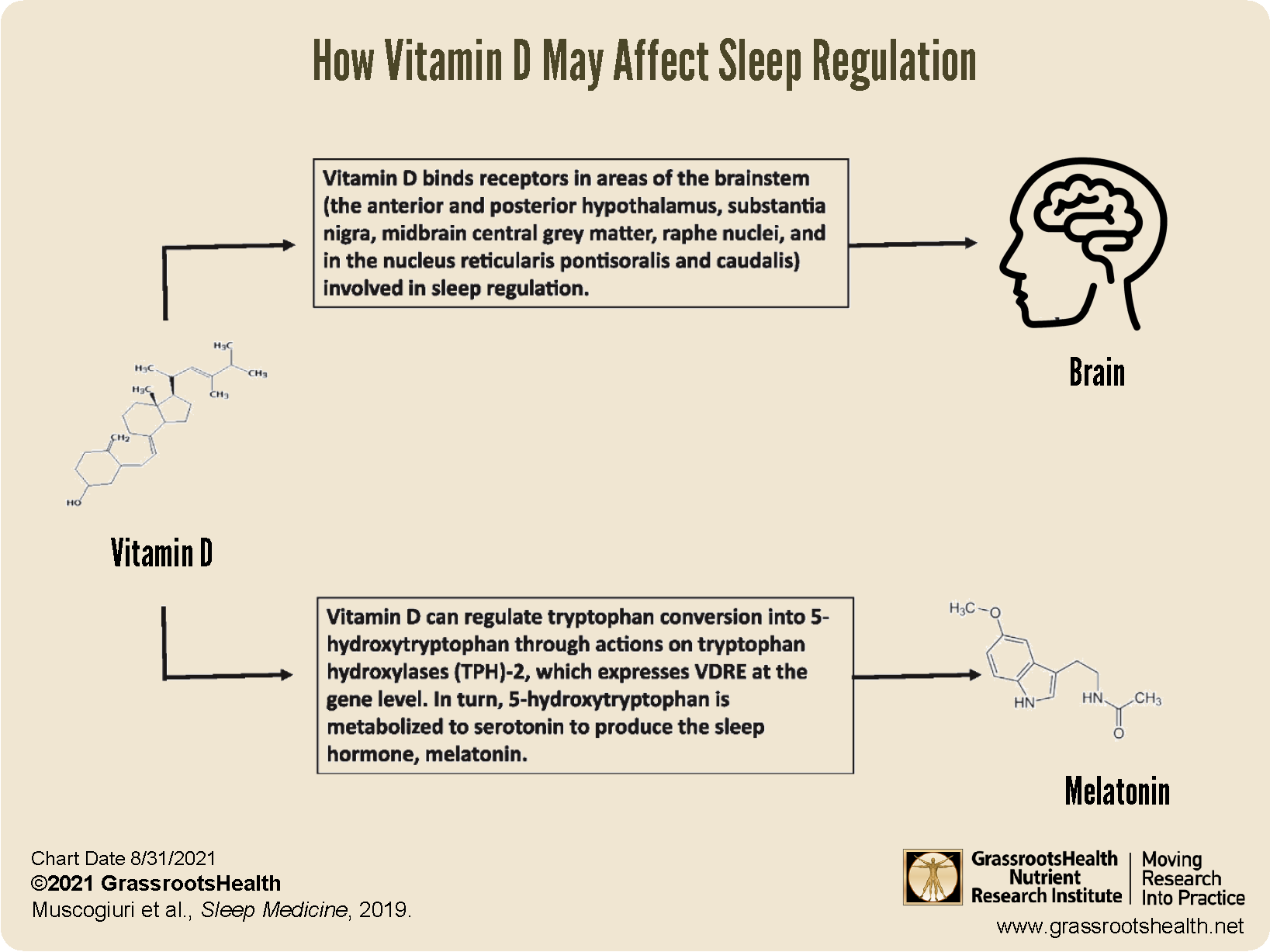
To understand the sleep connection, it helps to widen the lens. Vitamin D interacts with cellular receptors that influence gene expression. Those gene-regulated processes are relevant to inflammatory pathways, immune tone, and neural function—areas that can strongly affect sleep depth and continuity.
One particularly intriguing angle is melatonin. Melatonin is the night’s conductor, shaping sleep onset and circadian rhythm. Vitamin D may interact with the systems that support melatonin function. The result, in some people, is a sleep pattern that feels less like a struggle and more like a natural landing.
Another layer is inflammation. Poor sleep and inflammation form a feedback loop: inflammation can disturb sleep, and disturbed sleep can amplify inflammation. If vitamin D helps nudge inflammatory signaling toward balance, it may indirectly protect sleep quality.
The “Sweet Spot” Isn’t Just One Number—It’s Functional Adequacy
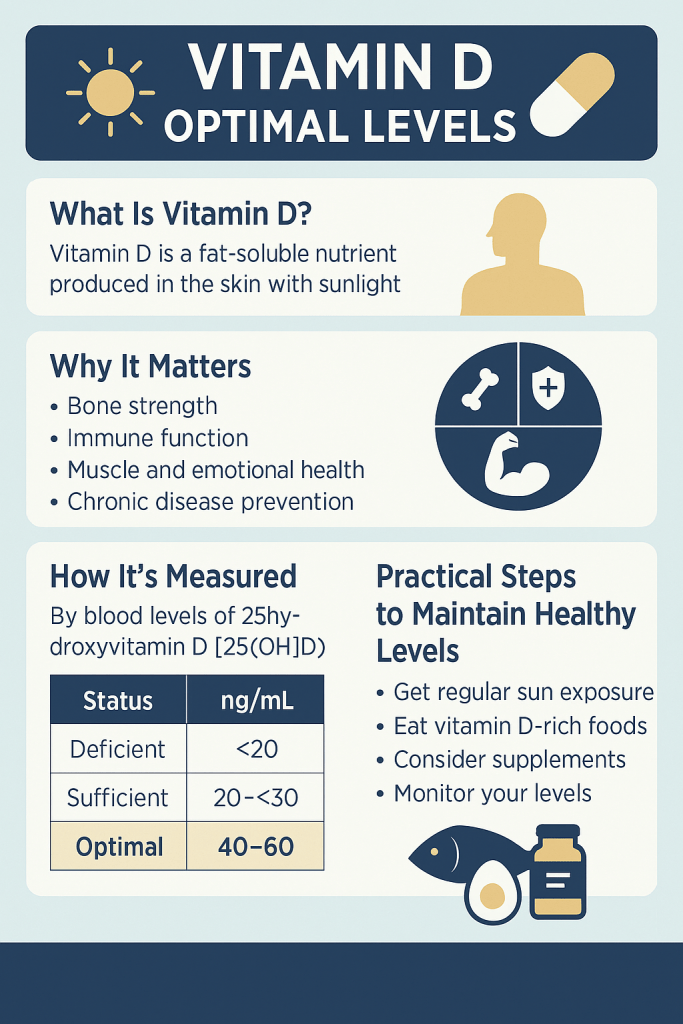
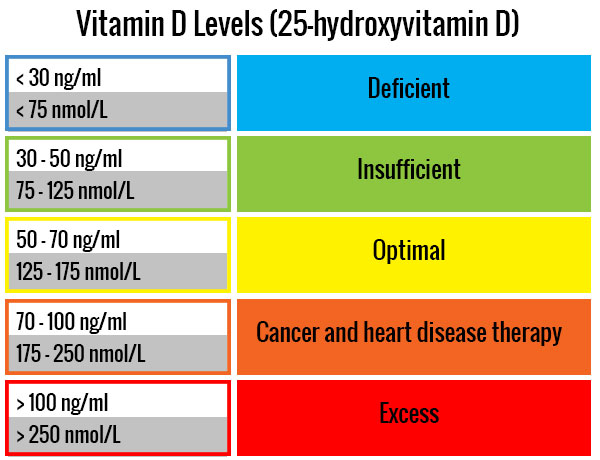
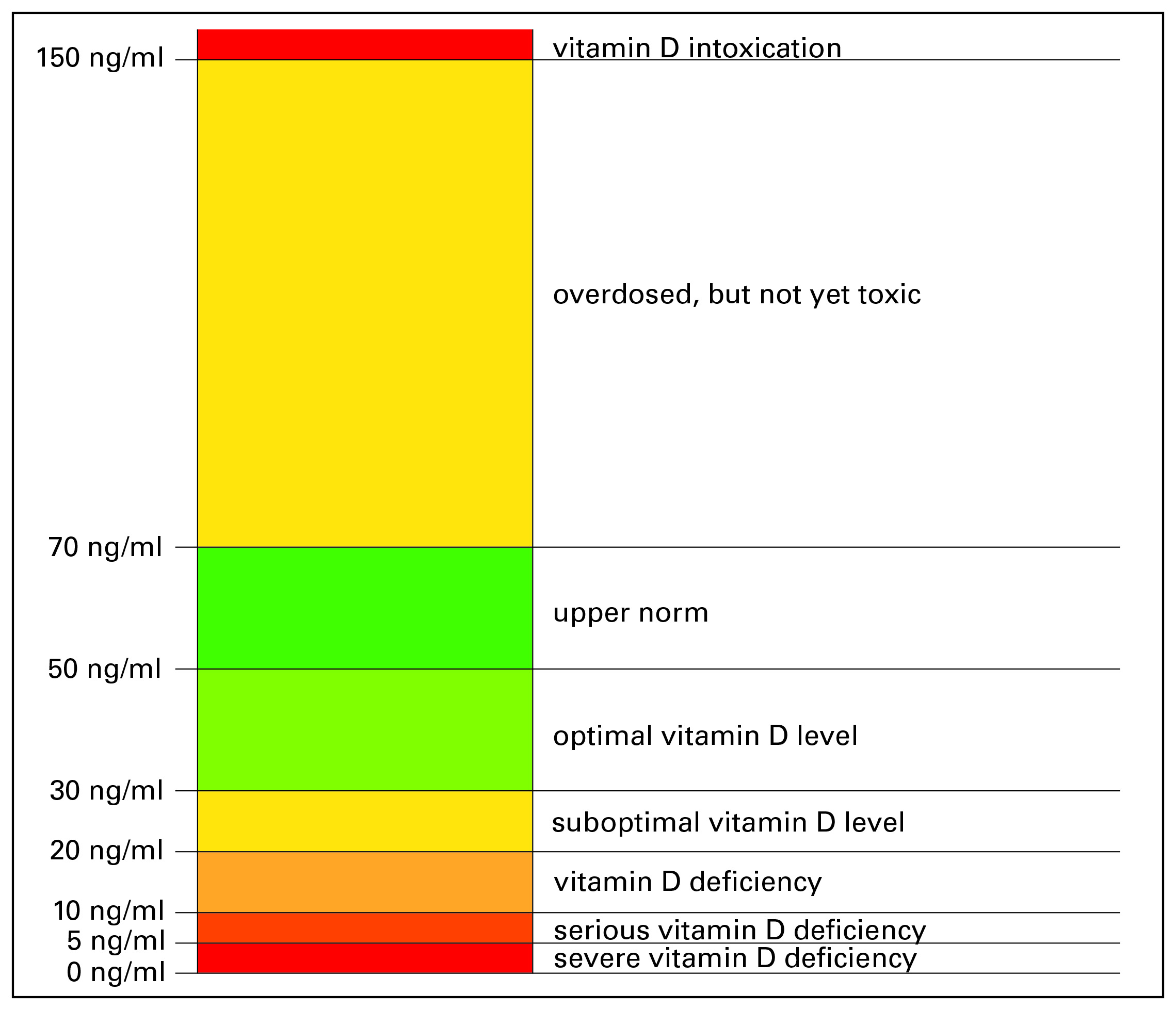
Most people search for a single target vitamin D level. But the body rarely works in absolutes. The most meaningful goal is “functional adequacy”—a status where vitamin D is sufficient for the biological tasks it’s meant to perform. That can vary across individuals due to baseline differences, genetics, body composition, skin synthesis capacity, diet, and sun exposure patterns.
In practical terms, aiming for a level that is neither too low nor excessively high can feel like finding the center of gravity. Too low: the body may lack adequate signals for regulatory processes. Too high: you risk pushing the system into a different kind of imbalance, where safety becomes more important than optimization.
So the sweet spot often behaves like a range—a “comfortable frequency” your physiology can listen to. Instead of chasing an abstract number, the better question becomes: “What level allows your sleep to look and feel more stable over time?”
How Low Vitamin D Can Disturb the Night
When vitamin D status is insufficient, sleep may become more vulnerable to disruption. You might notice delays in sleep onset, more frequent awakenings, or a lighter sleep profile where morning fatigue lingers. The body can also feel like it “wakes up too easily,” as though the sleep boundary is thinner than it used to be.
Low vitamin D doesn’t guarantee poor sleep. Biology is not that deterministic. But insufficient status can reduce the margin of safety—so lifestyle stress, caffeine timing, room temperature, and irregular schedules hit harder. In other words, vitamin D may not be the sole villain; it may be a key character that decides how well your resistance holds.
Some people also report that improving vitamin D status coincides with better sleep regularity—consistent bedtime tolerance, smoother winding-down, and fewer “too-alert” nights.
What About High Vitamin D—Can It Backfire?
More is not always better. Excess vitamin D can lead to hypercalcemia risk, which can bring its own set of symptoms that may include fatigue, weakness, or other disturbances that could indirectly harm sleep. Even if you don’t feel obviously “sick,” the body doesn’t necessarily perform best outside its safe zone.
High levels may also lead to a pattern of chasing. People sometimes supplement aggressively based on broad internet guidance, and then feel frustrated when results are inconsistent. Sleep isn’t only chemistry—it’s also behavior and recovery architecture.
The most strategic approach is measured. Use lab testing, monitor trends, and avoid dramatic swings. The sweet spot is typically approached gradually, with the aim of stable, durable adequacy.
Timing and Consistency: The Unseen Variables
Even if your vitamin D level is in range, timing and consistency still matter. Blood levels respond over time, and sleep changes may lag behind supplementation. The body needs days to weeks to recalibrate. That means expecting overnight transformation can turn a reasonable plan into a discouraging one.
Many people take vitamin D earlier in the day, sometimes alongside a meal that includes dietary fat, because absorption tends to be more efficient in that context. This isn’t a rule of nature; it’s a practical strategy. The key is consistency—same schedule, similar dosing, and monitoring.
Then there’s the sleep routine itself. If vitamin D improves regulatory pathways but bedtime is irregular, the sleep system may still misfire. Vitamin D might be the orchestra tuning, but your routines are the musicians entering on time.
How to Think About Testing (Without Becoming Obsessed)
Testing offers clarity, but the mindset matters. Consider lab work as a navigation instrument, not a scoreboard. Measure your baseline, supplement strategically, and re-check after an appropriate interval. Look for trends rather than instant gratification.
When reviewing results, interpret them alongside other factors that influence sleep quality: iron status, thyroid function, magnesium levels, sleep apnea risk, alcohol intake, medication effects, and stress load. Vitamin D can be a contributor, but sleep is multidimensional.
Curiosity is useful here. A thoughtful question can guide action: “If I improve my vitamin D status, what changes do I observe in sleep onset, night awakenings, and morning energy?” That’s the real metric.
Pairing Vitamin D With Sleep-Friendly Habits
Vitamin D isn’t a standalone intervention; it behaves better when supported. A few practical companions often enhance results:
Sunlight exposure or safe light routines can support natural vitamin D physiology. Omega-3 intake may complement inflammatory balance for some people. Magnesium-rich foods can support neuromuscular relaxation. Caffeine boundaries protect circadian timing. Consistent wake times anchor the rhythm.
When these align, vitamin D’s potential role becomes easier to notice. Sleep quality isn’t only about falling asleep; it’s about maintaining a stable, low-friction state through the night.
Finding Your Personal Sweet Spot: A Shift in Perspective
Here’s the shift worth making: instead of asking, “What is the perfect vitamin D number?” ask, “What level and routine create the most coherent sleep experience for my body?” This reframes vitamin D from a goalpost into an interactive variable.
Your sweet spot is the point where your physiology feels less turbulent at night—where sleep onset is smoother, awakenings are fewer, and morning fatigue loosens its grip. That sweet spot may sit within a commonly acceptable range, but the confirmation comes from your lived data: your sleep logs, your energy patterns, and your sense of restoration.
Sleep is not merely something you do. It’s something your systems coordinate. Vitamin D may be one of the quiet coordinators. And once you start listening to that coordination—measured, patient, and context-aware—the night can become less of a negotiation and more of a return.