Have you ever wondered how a tiny vitamin can cast a surprisingly long shadow across your bones? After 40, the body’s choreography subtly changes—less efficient calcium handling, slower cellular renewal, and a gradual shift in how strength is maintained. And then comes the headline question: should you stay with a modest 600 IU, or step up to 2000 IU for bone health? The twist is that both numbers can be “right” for different people, but only one will feel right in the context of your risks, diet, sunlight exposure, and lab results. Ready to explore the dose-dilemma?
Why Vitamin D Matters for Bones (Even When You Don’t Notice It)
Vitamin D functions like an internal logistics manager for bone-building materials. Without adequate levels, calcium absorption from the gut becomes less reliable, meaning bones may not receive the raw materials they require. Over time, this can contribute to reduced bone mineral density and a higher susceptibility to fractures. The body may compensate early on, but compensation is not the same as optimization.
It’s also worth remembering that bone health isn’t only about structure—it’s about resilience. Vitamin D influences the balance between bone formation and bone resorption, and it supports muscular function too. And muscles are the loyal bodyguards of joints: stronger muscles mean better posture, fewer missteps, and less strain on the skeletal system.

The “After 40” Reality: Your Body’s Vitamin D Profile Changes
After 40, you may notice that your baseline needs shift. Many factors conspire quietly: reduced skin efficiency for vitamin D synthesis, changing activity patterns, and dietary habits that don’t always include enough naturally rich sources. Sun exposure may also decline—either due to lifestyle, climate, sunscreen routines, or more time indoors.
As vitamin D levels drop, the body becomes more reliant on whatever reserves and dietary intake are available. That’s why dose decisions after 40 often should be individualized. Consider it less like choosing a one-size blueprint and more like tuning an instrument—some people need a gentle correction; others need a stronger adjustment.
600 IU: The “Steady Nudge” Option
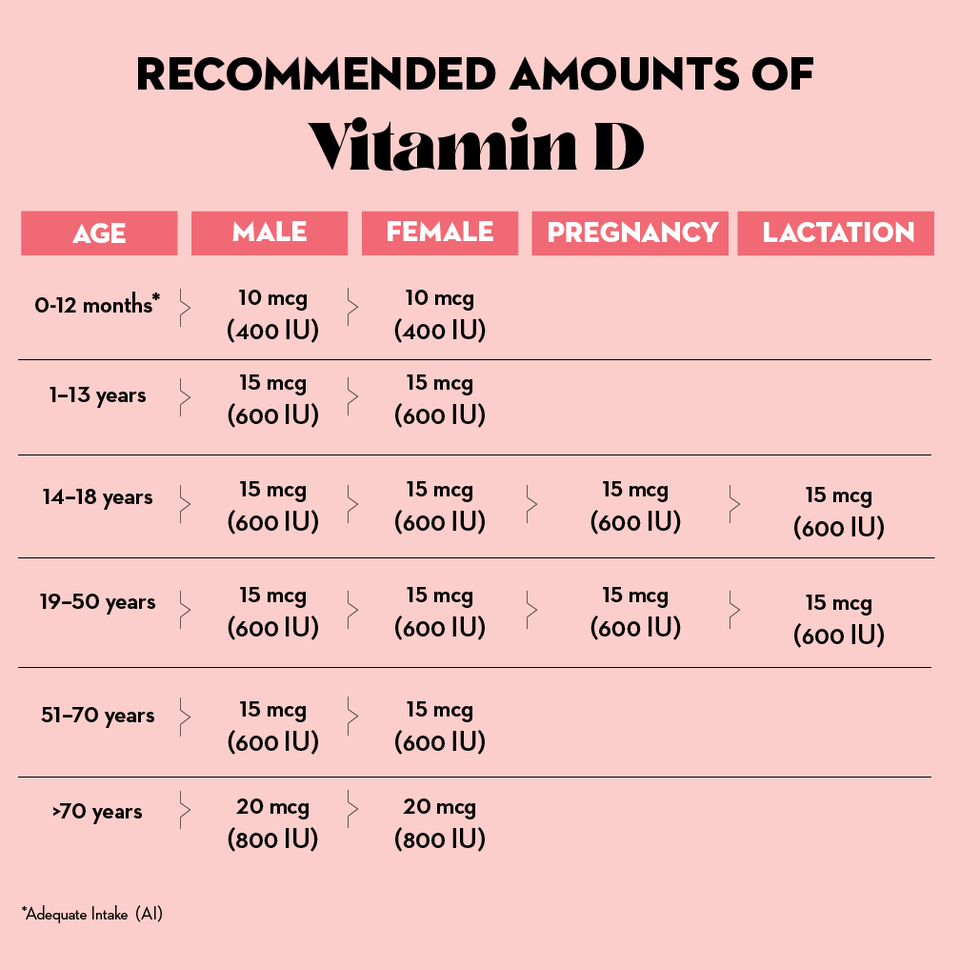
A daily 600 IU dose is often positioned as a baseline—an amount many adults can tolerate easily and many guidelines consider a general maintenance figure. Think of it as a steady nudge toward sufficiency, especially if your diet includes some vitamin D and you get reasonable sun exposure.
For some people, 600 IU may help maintain blood levels that support normal calcium metabolism and bone health. For others—especially those with low starting vitamin D, limited sun exposure, darker skin pigmentation, obesity, malabsorption conditions, or limited dietary intake—600 IU may feel more like a drizzle than a deluge.
There’s also a psychological detail: “small dose” doesn’t mean “small impact,” but it does mean results may be subtler and slower. If your baseline is already healthy, 600 IU might be ideal. If your level is low, it may not be enough to correct the deficit.
2000 IU: The “Targeted Refill” Approach
A daily 2000 IU dose is frequently used as a more assertive strategy, particularly when someone is starting from a lower vitamin D status or wants a faster path toward repletion. In many real-world scenarios, 2000 IU can be a practical “targeting” dose—one that’s still commonly used without sounding like an extreme measure.
However, the key word here is context. Higher doses can raise blood levels more quickly, but the goal isn’t to chase a high number for its own sake. The aim is to support bone health by reaching an appropriate, sustainable vitamin D status—often assessed through 25(OH)D blood testing.
For adults after 40 who suspect low vitamin D, 2000 IU may offer greater odds of improving calcium absorption efficiency and supporting musculoskeletal strength. Yet the body is not a vending machine; absorption varies and metabolism differs. That’s why dosing should be paired with follow-up testing when possible.
Here’s the Playful Challenge: Can Your Lifestyle “Outvote” Your Dose?
Let’s set a playful challenge: imagine two people both taking the same pill—one with morning walks and a calcium-forward diet, the other spending most days indoors and eating sparingly of vitamin D–rich foods. Who do you think will benefit more? Spoiler: it might not be the person taking the higher dose. Sun exposure, body composition, and diet can amplify or blunt the effects of supplementation.
Now flip it: suppose both people start with low vitamin D, but one has a history of malabsorption or certain medications that affect vitamin D metabolism. In that scenario, a higher dose like 2000 IU may be more relevant—yet still should be monitored.
The challenge isn’t to pick a number blindly. The challenge is to make your dose fit your physiology.
Testing: The Compass That Helps You Avoid Guesswork
If you’re choosing between 600 IU and 2000 IU, blood testing can turn speculation into strategy. The biomarker commonly used is 25-hydroxyvitamin D (25(OH)D). It gives a snapshot of your vitamin D status and helps clarify whether you’re in a maintenance mode or in a corrective mode.
Without testing, you’re essentially estimating. Sometimes estimation works. Often, it’s incomplete. Testing can help you confirm that your dose is moving you toward adequacy without overshooting.
After starting or changing a dose, rechecking levels after an appropriate interval can be helpful—especially if you’re aiming for improvement beyond maintenance.
Bone Health Isn’t Vitamin D Alone: Calcium, Protein, and Movement
Vitamin D is a conductor, but your bone health is the orchestra. Calcium intake matters. Protein supports collagen architecture and muscle mass. Weight-bearing exercise—walking, stair climbing, resistance training—helps maintain bone density by applying mechanical signals that bones respond to.
Even the best vitamin D plan can underperform if calcium intake is low or if activity is minimal. Conversely, good exercise and adequate nutrition can reduce the risk that vitamin D deficiencies derail your progress.
It’s useful to think in systems: bones thrive when multiple inputs align, not when one nutrient carries the entire workload.
Safety Notes: Higher Doesn’t Always Mean Better
With supplementation, the body’s tolerance and the risk profile matter. While 2000 IU is commonly used, it still deserves respect—particularly for people who also take multivitamins, fortified foods, or other vitamin D–containing products. Excessive vitamin D can lead to elevated calcium levels, which may cause symptoms and complications.
That’s why the most sensible approach is to select a dose, aim for adequacy, and avoid unnecessary stacking of vitamin D sources. If you have kidney disease, history of kidney stones, or medical conditions affecting calcium balance, dosing should be discussed with a clinician.
So… Which Dose Fits You: 600 IU or 2000 IU?
Here’s a pragmatic way to decide. If you have moderate sun exposure, a diet that includes some vitamin D, and prior labs showing adequate levels, 600 IU may be a reasonable maintenance anchor. If you know you’re starting from low levels, have limited sun, eat little vitamin D–rich food, or have risk factors for deficiency, 2000 IU often functions as a more effective replenishment strategy—especially when paired with testing.
Either way, the “best” dose is the one that raises your vitamin D status into a healthy range, supports calcium absorption, and harmonizes with your lifestyle and medical context. Your bones don’t need heroics. They need consistency.

And now the real question—less playful, more powerful: if you’re over 40, what would change for you if you stopped guessing and started aligning your dose with your results?
A Simple Next Step You Can Take Today
If you’re currently taking vitamin D (or planning to start), consider this sequence: evaluate your sun exposure and dietary intake, review any risk factors, and decide whether testing would clarify your needs. Then choose between 600 IU as maintenance and 2000 IU as a more assertive path—always with awareness of total vitamin D intake from all sources.
Your bones have been carrying you through years of life. Now it’s time to carry them back—carefully, consistently, and with a plan that respects both biology and reality.