Shift work can bend the body clock until it squeaks. One of the first nutrients to feel the strain is vitamin D—because sunlight is the original “factory” for making it. When your schedule steals daylight, your skin’s ability to synthesize vitamin D often takes a hit. That doesn’t automatically mean you need an all‑or‑nothing supplement plan. Instead, it calls for a calibrated approach: thoughtful dosing, sensible testing, and a routine that respects your circadian rhythm.
Why vitamin D becomes tricky with low sun exposure
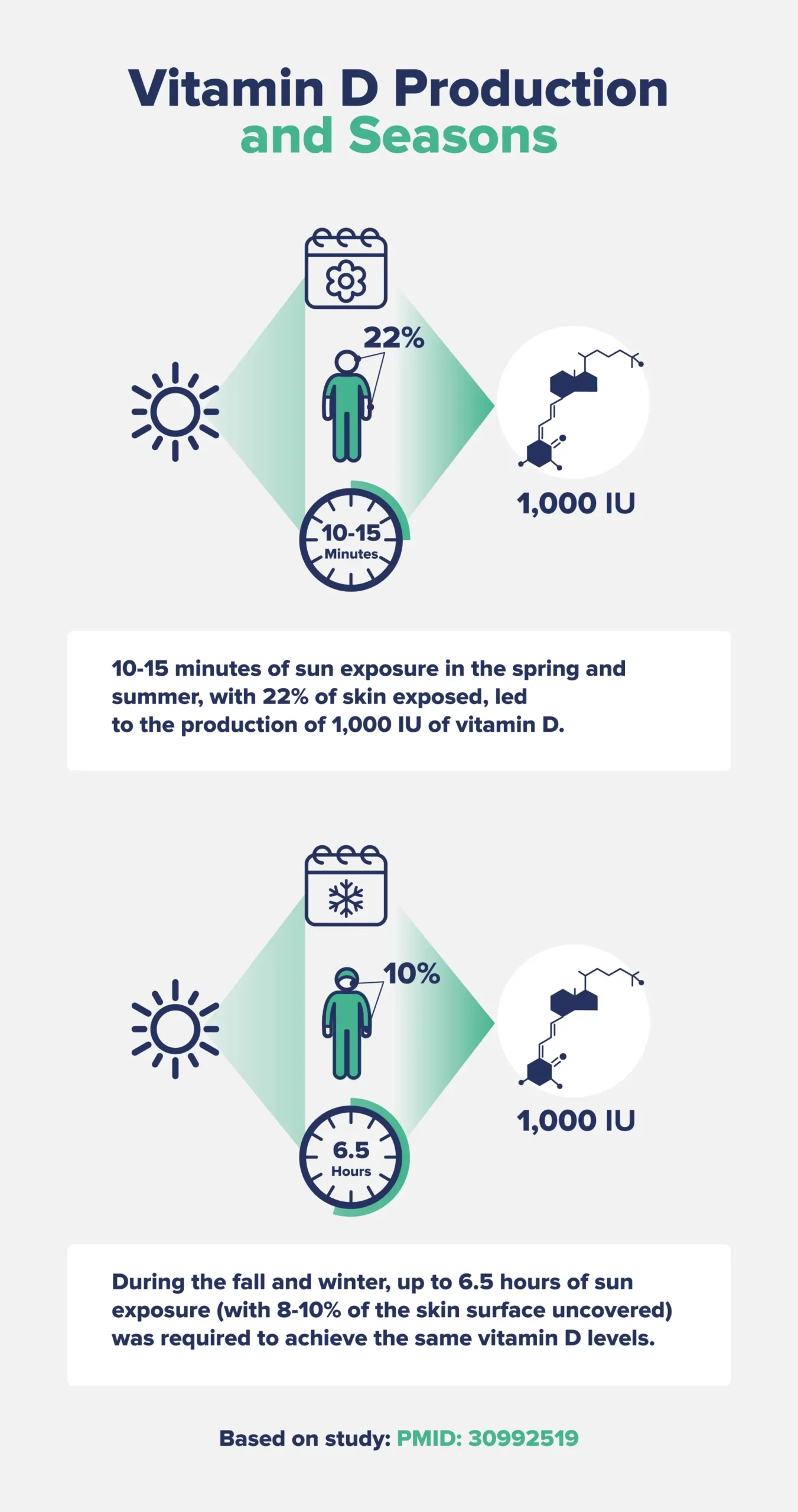
Vitamin D is unusual among nutrients: it’s both a hormone precursor and a signaling molecule that orchestrates immune readiness, muscle function, and metabolic regulation. Under typical conditions, your skin converts ultraviolet B (UVB) into vitamin D3. But low sun exposure—whether from indoor work, seasonal latitude, heavy cloud cover, sunscreen habits, or night shifts—reduces that conversion.
Shift workers also face additional friction. Sleeping at irregular times can influence hormone levels and immune signaling pathways, making vitamin D adequacy more consequential. Even people who get some daylight may still fall short if the exposure is brief, filtered, or mostly through windows (UVB is largely blocked by glass).
In practice, “low sun” is not a single condition. It’s a spectrum: from limited outdoor time to nearly nonexistent daytime exposure. Your dosage strategy should mirror where you sit on that spectrum.
Start with the basics: measuring your baseline
Before choosing a dosage, consider checking a blood level of 25‑hydroxyvitamin D, often written as 25(OH)D. This test is the standard marker because it reflects vitamin D stores more reliably than short‑term fluctuations.
If you’ve never tested, think of it as an anchor point. Without it, supplementation can feel like navigating with foggy headlights—sometimes you land on target, sometimes you overshoot.
Because vitamin D responds slowly, testing after an adjustment period is more meaningful than testing immediately. Many people revisit levels after several weeks to a couple of months, especially when starting or changing doses.
Choosing a dosage range: the “just enough” philosophy
There isn’t one universal dose for everyone, but there are sensible dosing ranges used in clinical practice. The right amount depends on baseline vitamin D status, body weight, dietary intake, sun exposure history, and how much you can realistically improve sunlight or outdoor time.
For shift workers with limited sun exposure, conservative “maintenance” dosing is often a reasonable starting point—particularly if baseline levels are adequate. If baseline levels are low, more targeted repletion dosing may be considered to restore stores before transitioning to maintenance.
To make dosing practical, consider these decision factors:
Baseline level: Lower levels often warrant higher initial dosing, then tapering.
Dietary vitamin D: Fatty fish, fortified dairy, and fortified alternatives can reduce the supplement burden.
Body composition: Vitamin D can be sequestered in body fat, influencing how much is needed to raise blood levels.
Consistency: Daily dosing can be steadier than sporadic “catch‑up” doses.
Short sentences matter here: the simplest plan you’ll actually follow is often the best plan.
Daily vs. weekly vs. monthly dosing: what fits shift schedules
Shift work is a calendar problem disguised as a lifestyle problem. Your supplementation routine should match your work rhythm, sleep timing, and meal patterns.
Daily dosing tends to create a smoother blood level curve. If your sleep schedule is unpredictable, daily dosing can still be anchored to a consistent meal—like breakfast after you wake, even if it’s “breakfast” at 2 p.m.
Weekly dosing is convenient when remembering pills daily feels like an administrative burden. For many people, weekly dosing is effective and tolerable, with fewer opportunities to miss doses during heavy shifts.
Monthly dosing exists but is less flexible for fine-tuning. It can be useful in specific cases under professional guidance. If you’re self-adjusting, monthly “boluses” may overshoot or undershoot because the feedback loop from blood testing arrives slowly.
In all options, consistency beats complexity. Pick a dosing frequency that your circadian realities can support.
Vitamin D3 vs. D2: selecting the form with intention
Most supplementation uses either vitamin D3 (cholecalciferol) or vitamin D2 (ergocalciferol). D3 is commonly preferred in everyday supplementation because it often raises and maintains blood levels more effectively in many users.
However, the “best” form is also the one you can tolerate and take consistently. Consider the capsule composition, whether it’s oil‑based, and whether it includes co-factors like carrier fats that improve absorption.
Absorption is not a trivial footnote. Vitamin D is fat‑soluble; pairing it with a meal containing some dietary fat can improve uptake. Long sentences can’t rescue poor timing—so take it with food whenever possible.
Absorption hacks: timing, meals, and minimizing interference
Vitamin D absorption improves when taken with food—especially meals that include fat. This is particularly relevant for shift workers who sometimes skip full meals and instead rely on snacks. If your shift pattern reduces meal quality, aim for a vitamin D dose alongside a more complete meal.
Some medications and health conditions can influence vitamin D metabolism or absorption. Examples include certain anti‑seizure medications, glucocorticoids, and diseases affecting fat absorption. If you use chronic medications, it’s wise to review interactions with a clinician.
Also consider these practical realities:
Sunscreen culture: If you use high-SPF protection outdoors, supplementing becomes more important for those with limited UVB exposure.
Window light: Bright daylight through glass doesn’t reliably substitute for outdoor UVB.
Hydration routine: Hydration won’t directly raise vitamin D, but overall metabolic health supports effective utilization.
Safety limits and recognizing toxicity risk
Vitamin D is beneficial, but it isn’t infinitely forgiving. Too much can lead to excessive calcium levels, which may cause nausea, constipation, fatigue, confusion, or more severe complications. This is not the usual outcome for standard maintenance dosing, but it can happen with high doses—especially if someone stacks multiple vitamin D-containing products.
To stay safe, avoid “unintentional accumulation.” Many people forget that multivitamins, energy drinks, or “bone health” blends might each contain vitamin D. Total daily intake matters.
Signs of trouble are not always immediate. That’s why periodic blood testing is useful, particularly if you take higher doses or if your baseline was significantly low.
Think like a mechanic, not a gambler: check the dashboard before assuming everything is running fine.
How long it takes to see changes
Vitamin D levels rise gradually. It’s tempting to judge progress after a week, but vitamin D behaves with slow kinetics. Your body needs time to convert, store, and regulate.
A typical timeline might involve reassessment after several weeks to a couple of months, depending on starting levels and the dosing plan. Re-checking helps prevent both under‑treating and over‑treating.
If you’re starting supplementation because of low sun exposure, consider the plan as a season, not a sprint.
Designing a shift-worker routine that actually sticks
Here’s a narrative that fits real life: you arrive home after a night shift, the room is quiet, the body is wired but tired. You don’t want another complicated protocol. You want a repeatable ritual.
Try this: choose a consistent “post‑shift meal” anchor. Take vitamin D with that meal, keep the bottle where you can see it, and pair it with an existing habit—like brushing teeth or taking off work boots. Small cues reduce cognitive load. Short sentences, repeated daily, beat the occasional grand plan.
If your schedule rotates, use a dosing method that tolerates irregular days—daily with your primary meal, or weekly if that’s the only cadence you trust.
Common dietary pairings that complement supplementation
Supplements are not a substitute for all nutrition. They’re a lever that helps when sunlight is limited. But food can still strengthen the framework.
Consider adding vitamin D–rich foods where possible: salmon, sardines, mackerel, egg yolks, fortified dairy or fortified plant milks, and fortified cereals. These foods also support the broader fat-soluble ecosystem that includes vitamin A and vitamin K—nutrients often discussed alongside vitamin D.
Dietary calcium and magnesium don’t “replace” vitamin D, but they help with skeletal and neuromuscular function. If you supplement vitamin D, it can be wise to ensure you’re not starving other relevant nutrients through an overly restrictive diet.
When to consult a clinician: special circumstances
Some shift workers need extra attention. If you have kidney disease, a history of kidney stones, granulomatous diseases (which can increase vitamin D activity), hyperparathyroidism, or conditions affecting calcium balance, you should seek professional guidance before adjusting doses.
Also consult a clinician if you’re pregnant, have multiple chronic illnesses, or take medications that can affect vitamin D metabolism. A tailored plan can be more precise than generalized dosing guidance.
Professional involvement isn’t a sign of weakness; it’s a strategy to reduce uncertainty.
What readers can expect from a practical vitamin D plan
A coherent vitamin D plan for shift workers has three phases: baseline awareness, thoughtful dosing, and feedback via re-testing. In the beginning, you may feel nothing—because vitamin D isn’t designed to produce an immediate “notice.” Over time, adequate status supports energy metabolism, muscle performance, and immune resilience.
For some, the most noticeable change is subtle: fewer “low-gear” days, improved consistency in workouts, or steadier mood. Others may notice no dramatic symptoms at all. That doesn’t mean vitamin D isn’t doing its job; it often works behind the scenes.
The most important expectation is process-based: you’ll monitor, adjust, and build a routine that survives your schedule—not the other way around.
Conclusion: dosing vitamin D like a strategist
Shift workers and people with low sun exposure need vitamin D with the same mindset used for training: smart preparation, measured intensity, and periodic evaluation. Start with a baseline when possible. Choose a dosage that fits your circumstances. Take it consistently with food. Respect safety limits. Then test and refine.
Vitamin D isn’t merely a supplement—it’s a lever for maintaining biological cadence in a life that often runs on a different clock.