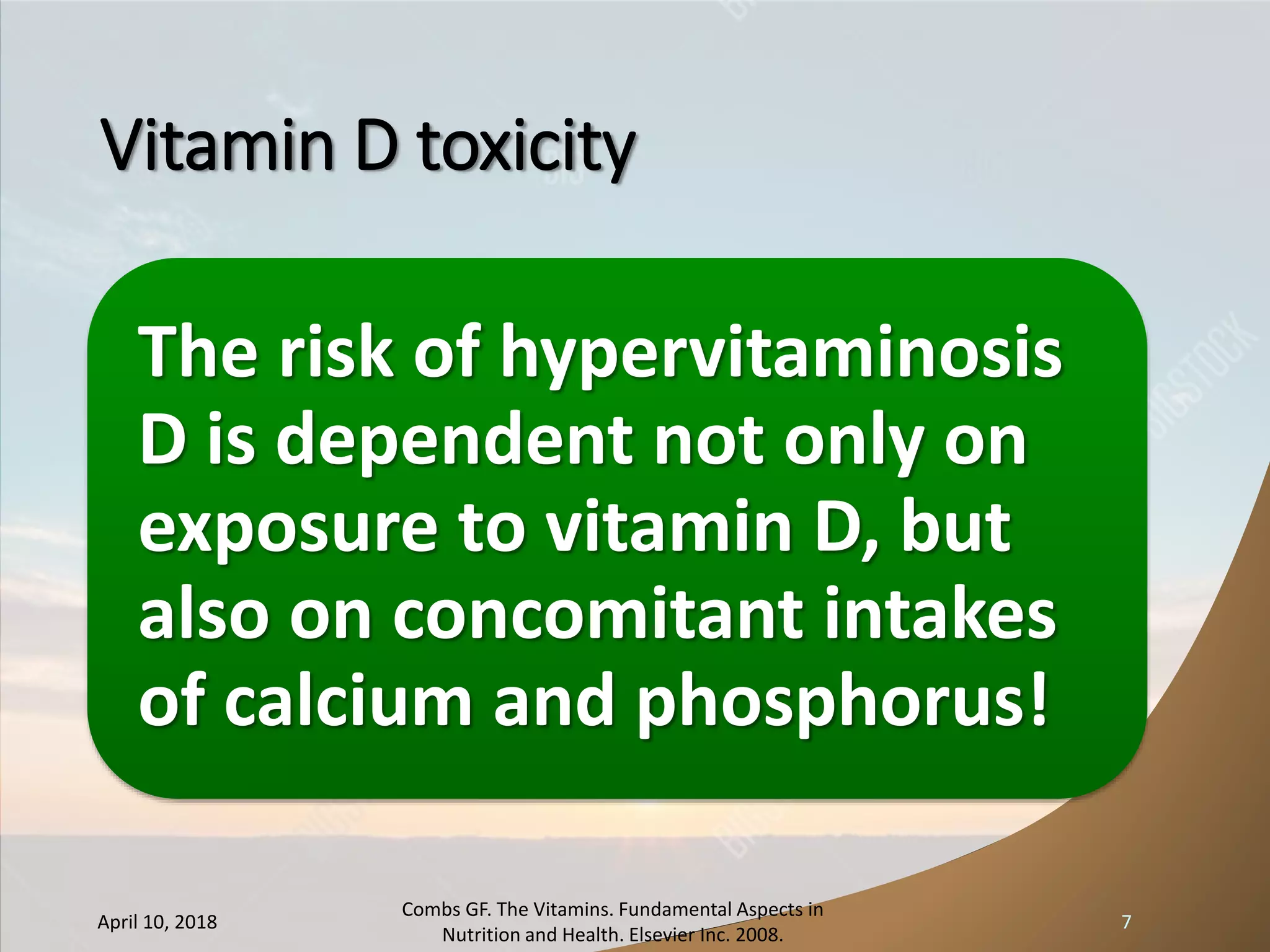
Vitamin D occupies an intriguing position in modern wellness culture. It’s celebrated for bone strength, immune modulation, and the “sunshine” effect on mood. Yet the same nutrient that feels like a guardian can, in excess, become a saboteur—quietly at first, then suddenly. Vitamin D toxicity is not common, but it is real, and it often arrives wearing a disguise: the belief that more is always better. The deeper fascination—and the danger—lies in how many medications and supplement-adjacent therapies can tip the body’s calcium balance without anyone noticing the slow arithmetic of dose accumulation.
Below are five categories of medications that can increase the risk of vitamin D toxicity, either by amplifying vitamin D activity, altering metabolism, or destabilizing calcium homeostasis. The themes are consistent: underestimated dosing, silent interactions, and physiological “workarounds” your body uses until it can’t.
1) Thiazide Diuretics (e.g., Hydrochlorothiazide, Chlorthalidone)
Thiazide diuretics are frequently prescribed for hypertension and edema. They are effective, and that reliability can create complacency. Here’s the crucial point: thiazides can decrease urinary calcium excretion. When calcium is not leaving through the kidneys as efficiently, serum calcium can rise. In isolation, that shift might be modest. In combination with supplemental vitamin D—especially high-dose regimens—the margin for safety compresses.
Think of thiazides as tightening the drain. Vitamin D toxicity often hinges on increased intestinal absorption of calcium. If your body absorbs more calcium due to elevated vitamin D status, and the kidneys simultaneously “hold onto” calcium, the result can resemble a pressure buildup in a sealed system. The symptoms may appear mundane: nausea, constipation, increased urination, fatigue. Over time, hypercalcemia can become the main antagonist, stressing the kidneys and cardiovascular system.

Common observation: “My blood pressure medicine is unrelated to vitamin D.” The deeper reality: many medications don’t “contain vitamin D,” but they still rewire the downstream calcium circuitry that vitamin D influences.
2) Corticosteroids (e.g., Prednisone, Dexamethasone) — Paradoxically
Corticosteroids are not typically framed as vitamin D toxicity villains. In fact, they’re sometimes used to blunt excessive calcium levels in certain conditions. However, they can also complicate the picture in a more insidious way. The interaction is less about direct “overactivation” and more about shifting metabolism and behavior around supplements.
Patients on long-term corticosteroids may be counseled to take vitamin D and calcium for bone health. That recommendation is often well-intentioned. But corticosteroids can mask early signs of toxicity by changing appetite, gastrointestinal rhythms, and symptom perception. Meanwhile, alterations in vitamin D metabolism and inflammatory signaling can create a setting where dosing ends up higher than anticipated, particularly if supplements are layered—multivitamins plus dedicated vitamin D plus meal replacements.
In the background, vitamin D toxicity is ultimately a calcium story. If clinicians are correcting one variable (inflammation, bone protection, or steroid side effects) while patients independently add or escalate vitamin D, the cumulative trajectory can drift toward harm.
Short and long sentences can both hold truth here. The short truth: corticosteroids can influence mineral dynamics. The long truth: they may also change how vitamin D is used, monitored, and symptomatically interpreted.
3) Anticonvulsants (e.g., Phenytoin, Carbamazepine, Phenobarbital)
Anticonvulsants are famous for enzyme interactions. Many of them accelerate hepatic metabolism of vitamin D and related compounds, which is why clinicians sometimes monitor vitamin D status in people taking them. Yet the twist is that “low vitamin D” is not the only hazard. When enzyme induction is reduced, or when supplements are increased aggressively to compensate, toxicity risk can reappear.
The deeper mechanistic fascination is biokinetics: vitamin D is not a single molecule acting in isolation; it is a system of storage, activation, and conversion pathways. Enzyme-inducing anticonvulsants may initially lower circulating levels, prompting higher supplementation. Later, as doses change, adherence varies, or liver enzyme activity shifts, blood levels can swing. That swing can be abrupt enough to become clinically meaningful.
In other words, a medication can nudge vitamin D metabolism in one direction and then—through changes in therapy and dosing habits—set the stage for the other direction. Hypercalcemia symptoms may be misattributed to anticonvulsant side effects or general fatigue, delaying corrective action.
4) Calcitonin and Parathyroid Hormone Pathway Modifiers (e.g., Cinacalcet) — Calcium-Regulation Whiplash
Cinacalcet is used in conditions involving parathyroid hormone dysregulation. It alters calcium sensing by effectively decreasing parathyroid hormone secretion. This can be lifesaving for people with secondary hyperparathyroidism. But if vitamin D supplementation is also in the regimen—particularly when dosing is not individualized to lab trends—mineral homeostasis can become a pendulum.
Vitamin D increases calcium absorption from the gut. Medications like cinacalcet can counterbalance that trend by changing endocrine signaling. The problem is that the body’s compensation isn’t always linear. A patient might feel “fine” when calcium is only mildly shifted. Then, when additional vitamin D is added—commonly during winter months, during bone-health campaigns, or after reading wellness advice—serum calcium can rise quickly.
The common observation is: “It regulates calcium, so it should prevent toxicity.” The deeper reason for fascination is that regulation is not the same as insulation. When multiple knobs are turned at once—endocrine signaling plus vitamin D-driven absorption—the control system can overshoot. That overshoot is what toxicity resembles.
5) High-Dose Vitamin D Adjacent Medications: Systemic Retinoids and Weight-Loss Adjuvants (Indirect Vitamin D Activation)
Not all toxicity risk comes from vitamin D itself. Some medications increase the likelihood of excessive vitamin D exposure by encouraging supplement use, altering fat metabolism, or indirectly affecting vitamin D’s functional state. Systemic retinoids, for example, are not vitamin D drugs, but they can coexist in complex regimens where clinicians and patients pursue aggressive correction of nutritional gaps. In those environments, vitamin D can become a “catch-all” supplement—sometimes at high doses.
Weight-loss adjuvants and metabolic medications can also shape behaviors: dietary restriction, new supplement routines, and fluctuating adherence. Vitamin D is fat-soluble, meaning its residence time can be long. In a body where fat stores and mobilization patterns shift, vitamin D levels can accumulate unpredictably. Even if the daily dose seems modest, the effective exposure may build over time.

Short version: these medications may not directly “produce vitamin D toxicity.” Long version: they can increase the probability of toxicity by changing the context in which vitamin D is taken—how much, how often, and how consistently.
Recognizing the Pattern: Why Toxicity Often Feels Like a Mystery
Vitamin D toxicity doesn’t usually announce itself with a dramatic lightning bolt. It tends to arrive through cumulative changes in calcium handling. The resulting syndrome—hypercalcemia—can cause gastrointestinal symptoms, dehydration-like signs, neurocognitive slowing, and kidney strain. The most frustrating element is attribution. People often blame stress, diet, constipation, dehydration, or an unrelated medication. Yet the arithmetic is frequently simpler: vitamin D increased absorption; a medication changed excretion or metabolism; and the body crossed a threshold.
If you take any of the medication types discussed—or if you take multiple supplements—monitoring becomes a kind of quiet craftsmanship. Lab checks, dosing discipline, and clear communication can prevent the fascination from turning into harm.
Vitamin D can be both healer and hazard. The difference is not romance with nutrients; it’s precision with dosing, timing, and interaction-aware care.