There’s a particular kind of frustration that doesn’t announce itself with drama. It’s the slow realization that your habits are working a little—just not in the way you expected. You’re eating “fine,” moving regularly, watching portions, yet the scale seems to negotiate, not surrender. In that space—between effort and outcome—one hidden culprit may be lingering quietly: vitamin D deficiency. Not because vitamin D is a “fat-burning” vitamin, but because low levels can subtly reshape your metabolism, your hormones, and even your sense of energy. When you shift perspective from willpower to physiology, a new narrative starts to appear.
The Misleading Mystery of “Calorie In, Calorie Out”
For many people, weight changes follow a familiar script: reduce calories, increase activity, observe results. But the body is not a spreadsheet. It’s an orchestrated system of signaling pathways, tissue responsiveness, and cellular timing. Vitamin D sits at the intersection of these systems, influencing processes beyond bone health. When levels are low, the body’s “thermostat” for metabolic function may behave like it’s running a half-degree colder than it should.
Difficulty losing weight while doing “everything right” can feel like an unfair riddle. Yet it often reflects something more nuanced: the internal environment is less supportive. Appetite may fluctuate. Sleep can fracture. Muscles may fatigue earlier. Even the sensation of effort during exercise can become disproportionate. None of this means you’re imagining things. It means your body may be less cooperative than usual.
Vitamin D’s Quiet Role in Metabolism and Muscle Function
Think of vitamin D as a backstage director, not a headline performer. Its influence reaches into muscle and metabolic regulation. Skeletal muscle isn’t merely for strength; it’s also a major metabolic engine. When vitamin D is insufficient, muscle function can decline—sometimes subtly—leading to reduced activity intensity. You might still “work out,” but not at the biomechanical quality that optimizes energy expenditure.
That matters more than most people realize. Short bouts of high-quality movement drive measurable metabolic responses. If deficiency contributes to weakness or discomfort, you may unknowingly reduce the overall stimulus your body receives. It’s a cascade: lower performance leads to lower output, and lower output makes fat loss harder to sustain.
In this context, weight loss stalls aren’t always a stubbornness problem. They can be a physiology problem wearing a disguise.
Hidden Symptoms: When Your Body Sends an Unclear Signal
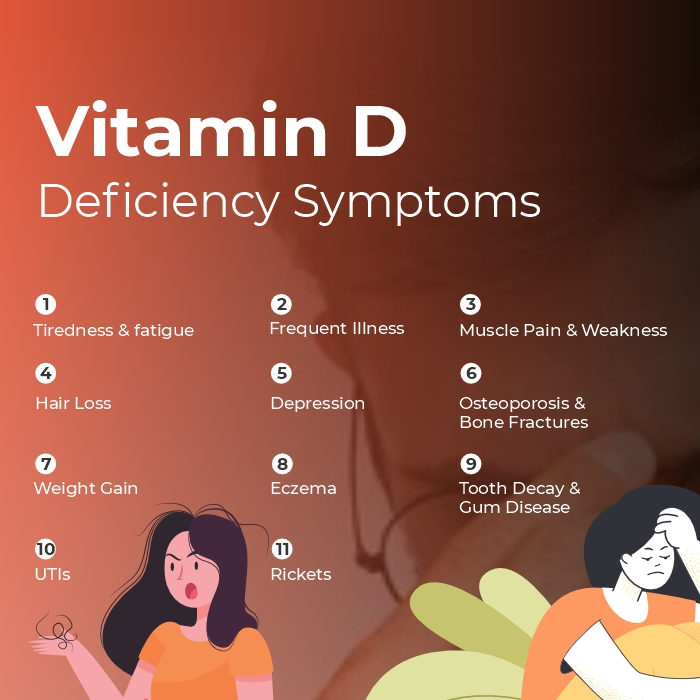
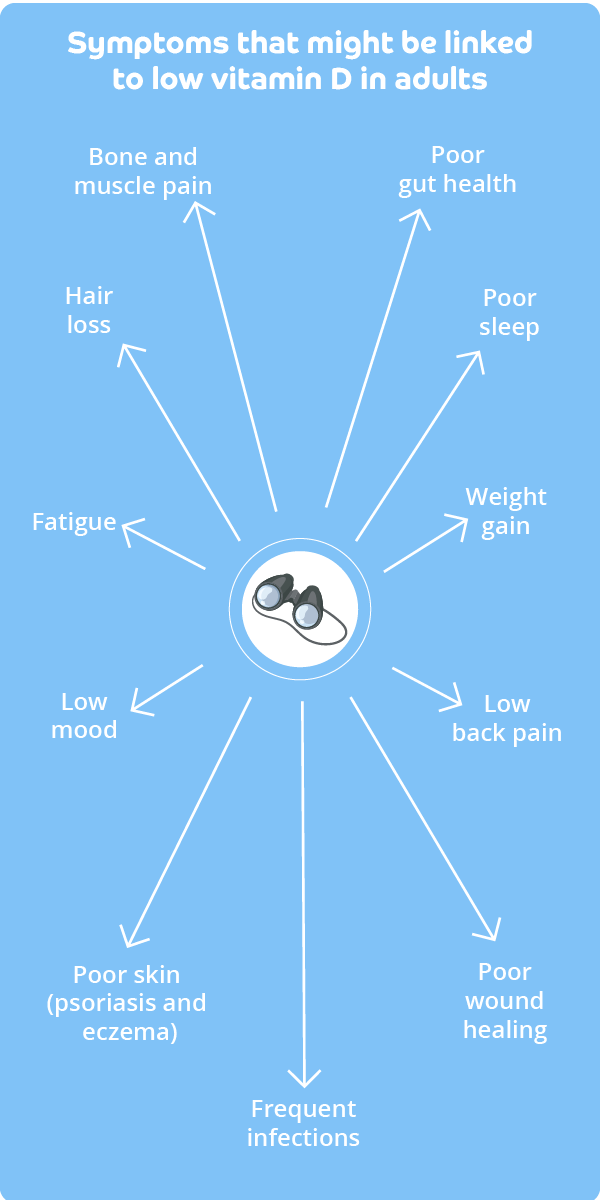
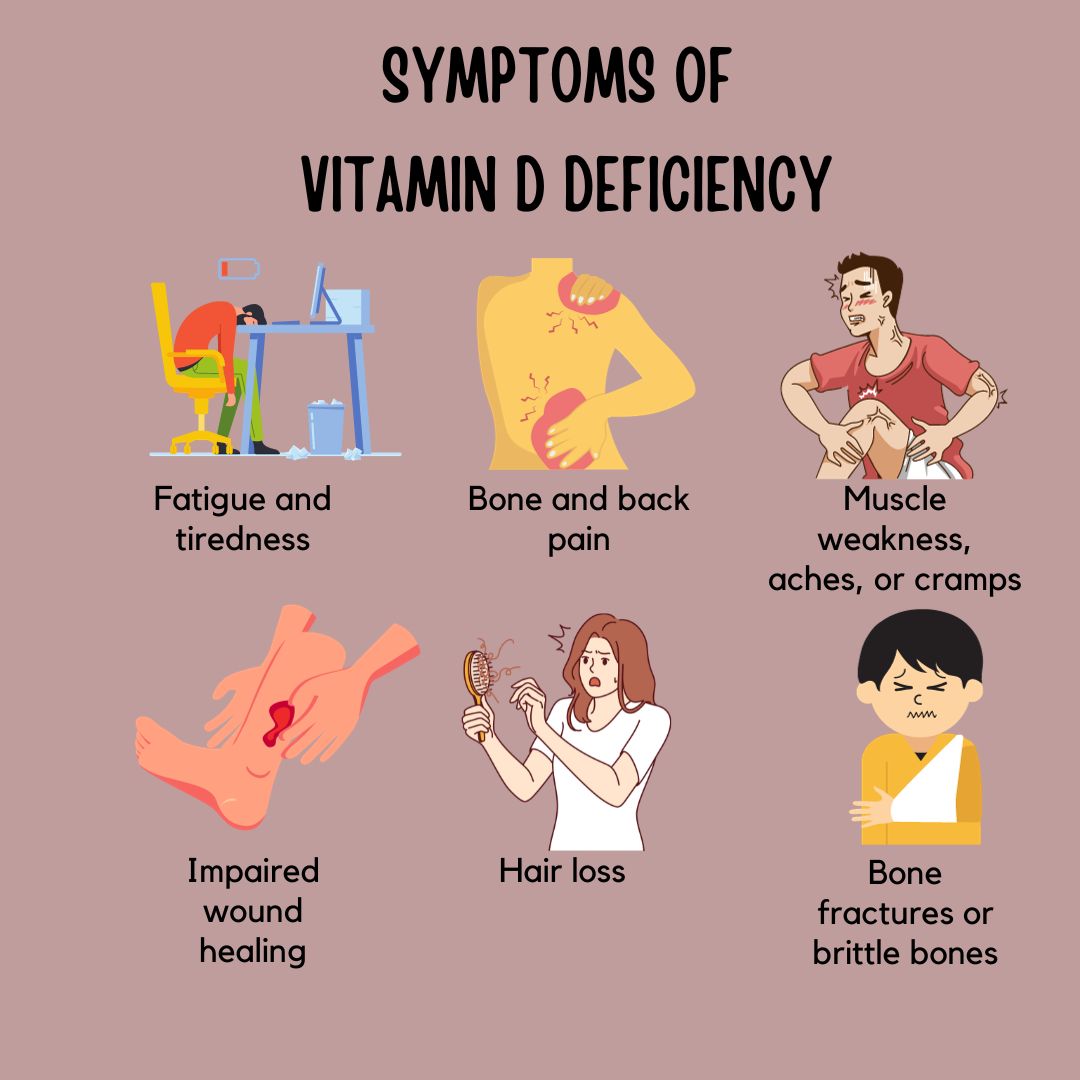
Vitamin D deficiency rarely arrives with a single, cinematic symptom. Instead, it presents as an ensemble cast of vague complaints that don’t always get stitched together. Some people notice persistent fatigue—less “tired” and more “drained.” Others experience low mood, aches, or a general sense that their body is slower to recover. There may be muscle weakness, cramps, or discomfort that makes exercise feel harsher than expected.
These symptoms are easy to dismiss. Stress, aging, busy schedules—everyone has plausible explanations. But the body’s feedback can be strangely consistent when deficiency is involved. You might feel stronger on rare days, then slide back into sluggishness. You might find that workouts that used to feel manageable now carry a disproportionate burden.
The weight connection often appears later, but the symptoms usually show up first. By the time the scale becomes the headline, the underlying biology may already have been whispering for months.
Hormonal Cross-Talk: How Low Vitamin D Can Affect Appetite and Insulin Sensitivity
Weight is more than storage; it’s regulation. Hormones influence hunger, satiety, cravings, and insulin sensitivity. Vitamin D intersects with these systems indirectly, yet meaningfully. When vitamin D is low, insulin signaling may become less efficient, and glucose regulation can become less stable. The result can be a cycle: blood sugar fluctuations may increase cravings, which makes calorie control harder even for disciplined people.
There’s also the issue of inflammatory tone. Vitamin D helps modulate immune signaling. When deficiency persists, a subtle pro-inflammatory state may develop. Chronic low-grade inflammation can interfere with metabolic processes and make the body’s “signals of fullness” less reliable.
So the struggle isn’t only about fat cells. It’s about the entire regulatory network deciding, moment by moment, how hungry you feel and how readily your body uses available fuel.
Risk Factors That Keep Vitamin D Low—Even in Summer
It’s tempting to assume vitamin D deficiency is only a winter problem. However, lifestyle, geography, skin coverage, and time spent indoors can all conspire year-round. People who work indoors—especially with limited sunlight exposure—may remain deficient even when the sun is technically available.
Skin pigmentation also plays a role; darker skin typically reduces vitamin D synthesis from sunlight. Broad sunscreen use, clothing coverage, and certain health conditions can further limit conversion. Additionally, body fat can sequester vitamin D, lowering what’s available for use.
If you’ve tried to lose weight without success, it’s worth asking an unglamorous question: Are you getting enough vitamin D for your physiology to run smoothly?
Why Deficiency Can Make Exercise Feel Like a Negotiation
Exercise is often treated like a universal solvent—an antidote that fixes almost everything. Yet the body’s response to training depends on recovery capacity, muscle integrity, and energy availability. Low vitamin D can contribute to muscle discomfort or weakness, which can reduce training consistency.
And consistency is where fat loss lives. If deficiency nudges you toward fatigue, you may compensate by doing less than you think. You may cut down on steps, avoid intensity, or take longer to recover. Even small reductions in daily movement add up over time.
Here’s the interesting part: when people correct deficiency, they sometimes report a change that feels bigger than expected. Not an instant transformation, but a gradual return of resilience—better tolerance for activity, steadier energy, and improved workout quality.
Getting Clarity: Testing, Interpreting, and Acting
Instead of guessing, clarity comes from measurement. Clinicians commonly assess vitamin D using blood tests (often expressed as 25-hydroxyvitamin D). Interpretation should be individualized. Some people have “borderline” levels that still may contribute to symptoms, particularly when other factors—like limited sun exposure or low dietary intake—are present.
If deficiency is confirmed, the next step is a tailored plan. Supplement strategies vary by person, and the safest approach involves choosing an appropriate dose and timeline. Retesting may be recommended to ensure levels rise and remain in a healthy range.
Weight loss should not be treated as the only goal of vitamin D optimization. Think in terms of system support: improving muscle function, energizing recovery, and restoring metabolic stability. When the internal climate improves, weight loss efforts often become more effective—sometimes noticeably, sometimes subtly, but usually in a direction that makes your efforts feel less futile.
Realistic Expectations: Correcting Deficiency Isn’t a Shortcut
It’s important to keep perspective. Correcting vitamin D deficiency won’t override overeating, inactivity, or poor sleep. It won’t erase hormonal complexity or rewrite your genetics. But it can remove a drag factor—an invisible resistance that makes every other effort less effective than it could be.
Imagine trying to accelerate a car with the parking brake half-engaged. You can still move, and you can still drive forward, but progress feels stubborn. Vitamin D deficiency may be one of those half-engaged forces. Once released, other strategies—nutrition adjustments, strength training, step goals—can finally deliver more of the expected payoff.
A Shift in Perspective: From Blame to Biology
When weight loss stalls, it’s easy to turn inward. “What’s wrong with me?” becomes the unspoken refrain. But a more compassionate, more empowering approach asks: “What might my body be lacking?” Not as an excuse, but as a diagnostic lens.
Vitamin D deficiency can be a hidden symptom of an environment and lifestyle mismatch. If you live mostly indoors, rarely supplement, or have risk factors that limit synthesis, your body may be running low on an essential regulator. That deficiency can affect muscle function, energy, hormonal signaling, and metabolic stability—creating a condition where losing weight feels like pushing fog.
When you shift perspective—from blame to biology—you don’t surrender agency. You sharpen it. Your next steps become smarter, more targeted, and more aligned with what your body actually needs.
Next Questions to Consider
As you explore this possibility, keep your inquiry grounded and practical. Are you spending enough time outdoors? Do you have symptoms like fatigue, muscle weakness, or vague aches? Have you ever checked vitamin D levels? And if you’re struggling with weight despite consistent effort, could optimizing deficiency be the missing variable?
If the idea feels unsettling, that’s normal. Changing the narrative can be emotionally disorienting—especially when the old story was built on responsibility alone. But the new story isn’t about surrender. It’s about precision: understanding the hidden signals your body sends, and responding with the right support.