Vitamin D is often treated like a distant lighthouse—present, but only occasionally reached. Yet your salads can become the shoreline that actually welcomes it. Pairing vitamin D-friendly ingredients with high-fat dressings turns the meal into a softer, more absorbing pathway. Fat doesn’t just add satisfaction; it can act like a velvet carriage, helping fat-soluble nutrients travel with less friction. The result is a bowl that feels both nourishing and theatrical: cool greens, bright acids, and a creamy finish that lingers like a well-written refrain.
1) Creamy Avocado-Lime Dressing: The Emerald Emulsion
Avocado-lime dressing is a lush metaphor for balance—green, silky, and quietly confident. Its monounsaturated fats create a comforting coating, while lime supplies an acidic snap that keeps everything from turning heavy. Think of it as a gentle camouflage: it hides the “health” angle inside something undeniably indulgent.
To lean into the vitamin D pairing, aim for a dressing that’s emulsified rather than thin. Blending avocado with olive oil (or avocado oil) and a splash of lime juice yields a creamy matrix that hugs every leaf. Add a pinch of salt and ground cumin for a warm, earthy undertone. Longer sentences can mirror the richness—slower, more rounded—while short sentences can highlight the contrast: bright lime, slow cream.

2) Tahini-Garlic Dressing: The Sesame Silkbridge
Tahini dressing is where nuttiness becomes architecture. Sesame paste has a depth that feels like warm sand—grainy at first glance, but transformative once whisked into olive oil and lemon. Garlic provides a sharp, almost cinematic edge, cutting through richness with a satisfying bite.
For a vitamin D pairing, tahini’s fats help deliver a creamy, lingering experience that encourages you to eat the entire salad—every forkful. Lemon juice (or vinegar) acts like a conductor, aligning flavors so the sesame doesn’t overwhelm. Consider adding water to adjust viscosity: a thicker dressing clings; a thinner one drapes. Both can work—choose based on your salad’s personality.
Try it with romaine, shaved fennel, and chickpeas. The crunchy herbs feel crisp against the silky dressing, like paper and ink. Long sentences can describe the aroma; short ones can mark the finish: sesame warms. garlic sparks.
3) Blue Cheese–Greek Yogurt Dressing: The Bold Paradox
Blue cheese is the kind of flavor that arrives with a swagger. It’s tangy, salty, and unapologetically aromatic. Greek yogurt brings a creamy counterweight and a smoother mouthfeel, while still allowing the dressing to remain rich. This is a paradox you’ll want to taste repeatedly: sharp edges softened by dairy silk.
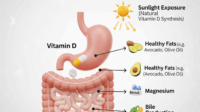
Vitamin D works best when fat helps carry nutrients across your digestive landscape. A blue cheese–yogurt dressing can provide that fat-forward comfort without requiring pure decadence. Add black pepper generously; it amplifies the “storm front” of blue cheese into something controlled and elegant.
Pair this dressing with arugula, pear slices, and toasted walnuts. The sweetness from fruit makes the tang feel intentional rather than abrasive. The salad becomes a small stage where flavors trade lines: blue cheese delivers the drama, pear provides the spotlight.
4) Salmon Dill Mustard Dressing: The Oceanic Finish
If you want a dressing that feels like sea air, consider a salmon-inspired blend—or simply pair a rich dill dressing with salmon toppings. Mustard contributes complexity through its pungent bite, while olive oil or a lightly emulsified mayonnaise base contributes the necessary richness to create a fat-friendly environment for vitamin D.
Dill is more than an herb here; it’s a mood. It turns the dressing into something refreshing yet substantial, like a cool breeze wearing a warm coat. A squeeze of lemon keeps the dressing from feeling heavy. If you add capers, they behave like tiny punctuation marks—salty, bright, and unexpected.
Try it on mixed greens, cucumber, and thinly sliced red onion. The crunchy wateriness of cucumber plays with the smoothness of the dressing. Long sentences can capture the swirl of flavors; short ones can underline the moment you realize it’s more than “just salad.”
5) Coconut-Lime Cream Dressing: The Tropical Lantern
Coconut-lime dressing is a lantern you carry into the gray side of the day. It feels bright, aromatic, and softly sweet—especially when coconut cream meets lime juice. The fat content from coconut cream is rich and satisfying, and the lime keeps the overall profile sharp enough to stay lively.
This dressing is particularly captivating because it can be tuned: add chili flakes for a warm shimmer, or a touch of maple syrup for a gentle roundness. It can be minimalist or extravagant. Either way, it creates a thick, plush coating that clings to greens the way a comforting story clings to memory.
Pair it with spinach, mango, shredded carrot, and toasted seeds. Mango’s sweetness becomes a bridge between coconut and citrus, making the dressing feel cohesive rather than merely exotic. When you take a bite, it’s like stepping into a warm room after being outside—there’s an immediate emotional warmth before the flavors fully unfold.
How to Choose High-Fat Dressings for Vitamin D Pairing
Vitamin D behaves like a traveler who prefers the company of fats. Not all dressings are equal, and the “best” option is rarely the one with the highest number—it’s the one that offers steady richness and encourages complete coverage across your salad.
Look for dressings with olive oil, avocado, tahini, full-fat dairy, or coconut cream. These ingredients help create a satisfying emulsified texture that evenly coats leaves and other add-ins. Also consider portion harmony. A small salad can take a modest amount of dressing; a hearty salad with grains or legumes can handle more.
Acid matters, too. Lemon, vinegar, and lime don’t just brighten taste—they help the richness feel purposeful. Balance is the secret choreography: fat carries, acid clarifies, salt makes flavors audible.
Build a “Vitamin D Salad” That Actually Feels Complete
To make your salad more than a side quest, add texture and protein. Nuts, seeds, beans, or fish help create fullness so you stay engaged from first bite to last. Greens provide the freshness; the dressing provides the coating; toppings provide the resonance.
Try alternating crunch and cream: cucumber or fennel for snap, then a creamy dressing for glide. Incorporate herbs like dill or basil for aromatic lift. You’ll notice something: the salad begins to taste intentional, not accidental. It becomes a meal with a point of view.
When high-fat dressings meet vitamin D, the experience turns from ordinary to luminous. It’s not merely about nutrition; it’s about how food feels—how it moves across the palate, how it lingers, how it persuades you to take one more forkful. Choose your dressing like you’re selecting a soundtrack: emerald, silk, bold tang, oceanic brightness, or tropical lantern glow. Each one can transform a salad into a richer kind of wellness.