Imagine the brain as a candle. Not a flamboyant one—more like a steady, private flame in a cold room. Now picture vitamin D as the draft-control that helps that flame burn with dignity. When vitamin D is scarce, the air around the candle can become turbulent. The result is not always obvious at first. But gradually, mood can dim, and depression may start to feel less like an isolated event and more like an atmospheric change—something that seeps into ordinary hours.
Why Vitamin D Feels Like a Mood Regulator
Vitamin D is often described as a “sun vitamin,” yet its influence is far more theatrical than the label suggests. It behaves like a molecular translator. In the body, it helps orchestrate the work of multiple systems, including nerves, immunity, and inflammation—three ensembles that frequently collaborate in the emotional landscape.
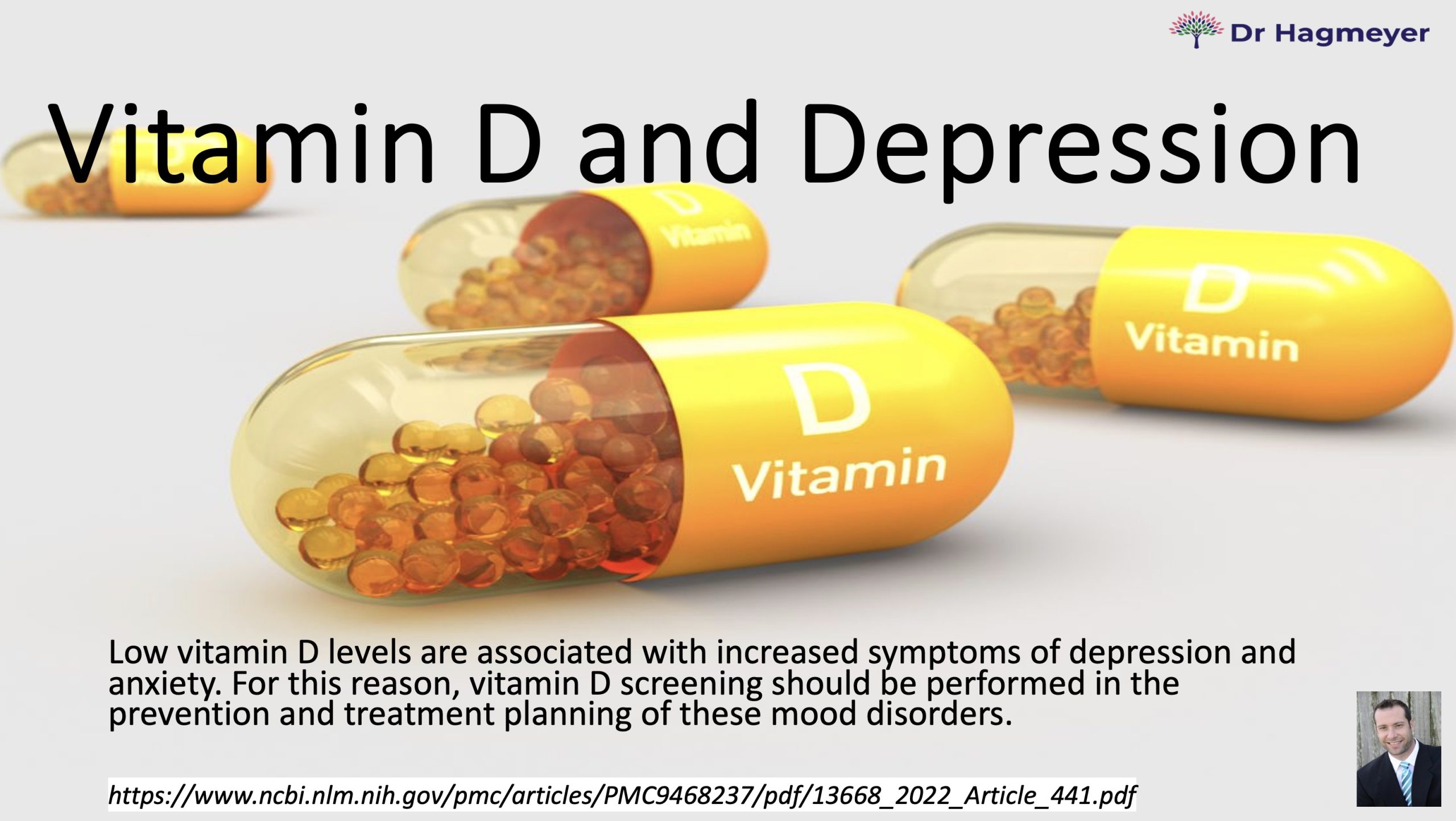
Depression is not one single mechanism wearing a trench coat. It’s a constellation. And vitamin D appears to be one of the many variables that can shift the overall constellation’s shape. Low vitamin D status may correlate with depressive symptoms, and in some people, correcting the deficiency is associated with improvements in mood-related outcomes.
Still, the relationship is not a simple “vitamin D cures depression” narrative. Think of it as a climate lever rather than a light switch. When the lever is moved—when levels normalize—some individuals feel the difference more clearly than others.
The Metabolic Pathway: From Sunlight to Brain Signaling
The journey of vitamin D starts with sunlight, but its destination is communication. After the body converts vitamin D into usable forms, it can influence gene expression in tissues throughout the body—including areas connected with mood regulation.
Within the brain, vitamin D interacts with pathways that relate to neurotransmission and cellular resilience. This means it may help maintain a stable biochemical “scaffolding.” When that scaffolding weakens, the brain can become more vulnerable to stress signals—especially prolonged stress, which is like a drumbeat the nervous system starts to interpret as permanent.
In metaphor terms, vitamin D helps tune an orchestra. Without tuning, instruments can still play, but the harmony becomes harder to achieve—particularly when life adds noise.
Neurotransmitters and Emotional Weather
Mood is not only a mental story; it’s also chemical choreography. Vitamin D may play a role in the regulation of neurotransmitters—messengers that help neurons speak efficiently.
Consider serotonin, often discussed in depression conversations. Vitamin D does not act alone, but it may influence how serotonergic signaling functions. It’s like adding a stabilizer to a moving walkway. You’re still walking, but the platform is less unpredictable.
Other neurotransmission-related systems may also be affected. This is one reason why vitamin D deficiency can show up not only as sadness, but as fatigue, low motivation, and cognitive “fog”—symptoms that can accompany disrupted signaling.
Inflammation: The Hidden Adversary
Depression can be entangled with inflammation. Inflammation is not always dramatic; sometimes it’s chronic, low-grade, and persistent—the sort of background static that dulls clarity.
Vitamin D is involved in immune modulation, helping regulate inflammatory processes. When vitamin D levels are insufficient, inflammatory signaling may become less controlled. Over time, that can influence brain function, including regions involved in mood and stress reactivity.
Think of inflammation as dry tinder. Most days it doesn’t catch fire. But when stress, poor sleep, or other vulnerabilities pile up, the environment becomes easier to ignite. Vitamin D may help dampen the tinder before it flares.
Oxidative Stress and Cellular Fatigue
Another key aspect is oxidative stress—the imbalance between reactive molecules and the body’s antioxidant defenses. Oxidative stress can damage cellular structures and disturb metabolic processes. The brain is particularly sensitive because it consumes significant energy and relies on precise biochemical balance.
Vitamin D participates in pathways that may support antioxidant defenses and cellular health. When vitamin D is adequate, the brain’s cellular “maintenance crew” may be more effective. When vitamin D is low, the crew may be understaffed.
This mechanism doesn’t replace therapy, sleep optimization, or lifestyle support. But it helps explain why some people experience depression alongside physical symptoms: low energy, slowed cognition, and a persistent sense of depletion.
Sleep, Energy, and the Feedback Loop
Depression and sleep often share a locked-in loop. Poor sleep can worsen mood; worse mood can make sleep harder. Vitamin D may influence this loop indirectly through effects on circadian rhythm regulation, muscle function, and overall metabolic steadiness.
If vitamin D deficiency contributes to fatigue or restless physiology, the result can be a vicious cycle: the body feels unsteady, sleep deteriorates, mood becomes more vulnerable, and then the emotional state further disrupts recovery.
In narrative terms, vitamin D can be a quiet courier delivering stability to the nighttime. When it’s missing, the courier never arrives—and the nights feel longer.
Who Might Be Most at Risk for Low Vitamin D?
Not everyone’s vitamin D status follows the same script. Risk can rise with limited sun exposure, darker skin pigmentation, higher latitude living, winter seasons, and the use of sun avoidance behaviors. Diet also matters—vitamin D-rich foods are not commonly consumed in large quantities.
Some people also have medical or physiological reasons for lower vitamin D absorption or altered metabolism. If vitamin D is not properly absorbed or activated, even someone with moderate sun exposure can still drift into deficiency.
It’s wise to think in probabilities rather than absolutes. Vitamin D deficiency is more common than many people realize, and mood concerns often overlap with broader wellness factors.
What Testing Looks Like (and Why It Matters)
Because correlation isn’t certainty, testing can be a compass. A clinician may check a blood marker such as 25-hydroxyvitamin D, which reflects vitamin D stores. This helps distinguish between “feeling low” for many possible reasons and a specific deficiency that could be addressed.
Levels that are very low are more concerning than borderline results. But even borderline situations can be meaningful depending on symptoms, lifestyle, and overall health profile.
Testing doesn’t diagnose depression. It helps evaluate one potential contributor. And in depression care, identifying contributors is often what turns a haze into a plan.
Does Supplementation Help? The Balanced Answer
Supplementing vitamin D can help some people—particularly those who are deficient. When deficiency is corrected, mood-related symptoms may improve, especially over time and alongside supportive measures.
However, supplementation is not a universal solvent. Depression can arise from trauma, chronic stress, genetic vulnerability, hormonal changes, social isolation, medical comorbidities, and more. Vitamin D may be one thread in the tapestry, not the whole tapestry.
The most responsible approach is individualized. Appropriate dosing should be guided by a clinician, especially since excessive vitamin D can cause harm. Think of it like adjusting a thermostat: aim for comfort, not extremes.
Food and Sunlight: Practical Ways to Support Your Levels
Sunlight is one source, though access and safety matter. Long, unprotected exposure can increase risk of skin damage, so it’s best to pursue sensible, context-aware sun habits.
Diet can supplement intake. Fatty fish, fortified dairy or alternatives, egg yolks, and certain fortified foods may contribute. Yet relying on food alone can be difficult for people who are at higher risk for deficiency.
If sunlight and diet are limited, supplementation becomes a more predictable tool—again, ideally under medical guidance. The goal is steadiness, not sudden leaps.
When to Seek Professional Help (Because Mood Deserves Precision)
If depression symptoms are persistent, intensifying, or accompanied by thoughts of self-harm, professional support is essential. Vitamin D can be a supportive factor, but it should never delay evidence-based care.
Therapy, lifestyle modifications, medication when indicated, and medical evaluation for comorbid conditions can all work together. In that broader framework, checking vitamin D can be a valuable piece of “systems thinking.”
Depression often responds to layered interventions. Like restoring a garden, you don’t only water one plant—you improve soil, adjust sunlight, reduce weeds, and reinforce structure.
A Clear Takeaway: Vitamin D as Part of the Mood Ecosystem
The vitamin D–depression connection is best understood as ecology, not magic. Vitamin D interacts with neurotransmission, inflammation regulation, cellular health, and recovery rhythms. When it’s low, the emotional ecosystem may struggle to stay balanced. When it’s optimized, some people regain steadiness—though depression’s causes remain multifaceted.
So approach vitamin D with respectful curiosity: test if appropriate, support levels through safe sun and diet, and consider supplementation with guidance. In doing so, you’re not trying to rewrite depression with one nutrient—you’re improving the conditions under which the brain can heal, adapt, and re-find its flame.