Vitamin D is often imagined as something you obtain from sunlight or fortified dairy. Yet in the real world, dietary sources are more varied—and meats, including pork, can contribute a small but meaningful amount. The vitamin D story in animal foods is subtly nuanced: it isn’t only about “how much,” but also about the form in which vitamin D appears, the cut you choose, and the kind of animal you’re eating. Let’s explore how vitamin D in pork and other meats shows up on your plate, what readers can expect from different meal choices, and why “small” does not necessarily mean “insignificant.”
Why vitamin D in meat is “small,” but still worth noticing
In many diets, meat is not the primary vitamin D workhorse. Sunlight exposure and fortified foods tend to dominate. Still, meats can act like quiet background harmony—present enough to matter over time, especially when combined with other sources.
Vitamin D in foods is typically measured in microgram quantities (or International Units). That scale can feel tiny, but the human body’s vitamin D economy is exquisitely sensitive. Even modest contributions can influence overall status when your intake from other avenues is limited.
Also, meat brings more than one nutrient to the table. Readers often think “vitamin D” in isolation, but the same meals that deliver vitamin D may also supply protein, phosphorus, B vitamins, and iron (depending on the meat). This multi-nutrient effect can be especially relevant for people who eat less fortified food.
The vitamin D “cast” within animal tissues: D3 and related forms
Vitamin D comes in different forms. In animal-derived foods, the predominant form is usually vitamin D3 (cholecalciferol). There can also be related metabolites, such as 25-hydroxyvitamin D3, which reflect how the animal has processed vitamin D in its body.
This matters because vitamin D3 is the familiar dietary form, while 25-hydroxyvitamin D3 is a more “downstream” compound. In plain language: the body generally prefers pathways that lead to effective circulating forms, and the type of vitamin D present in food influences how your system receives and uses it.
Readers may wonder whether pork is somehow categorically “low” or “high.” The truth is more intricate. Within pork, vitamin D content can vary by cut and preparation, and within the broader “meat” category, variation depends on animal breed, diet, and processing.
Pork: where vitamin D hides across cuts and preparations
Pork is often treated as a uniform product in everyday conversation, but vitamin D behaves less like a flat statistic and more like a fingerprint. Different tissues can carry different fat composition, and different fat profiles can correlate with vitamin D distribution.
For many readers, this translates into a practical question: should you choose pork chops, ground pork, or variety meats? The answer isn’t one-size-fits-all. Some cuts may have slightly higher vitamin D content, while leaner selections can be lower. Preparation methods also change the experience—fat trimming reduces the edible portion, and cooking practices can concentrate or alter the way nutrient density is distributed.
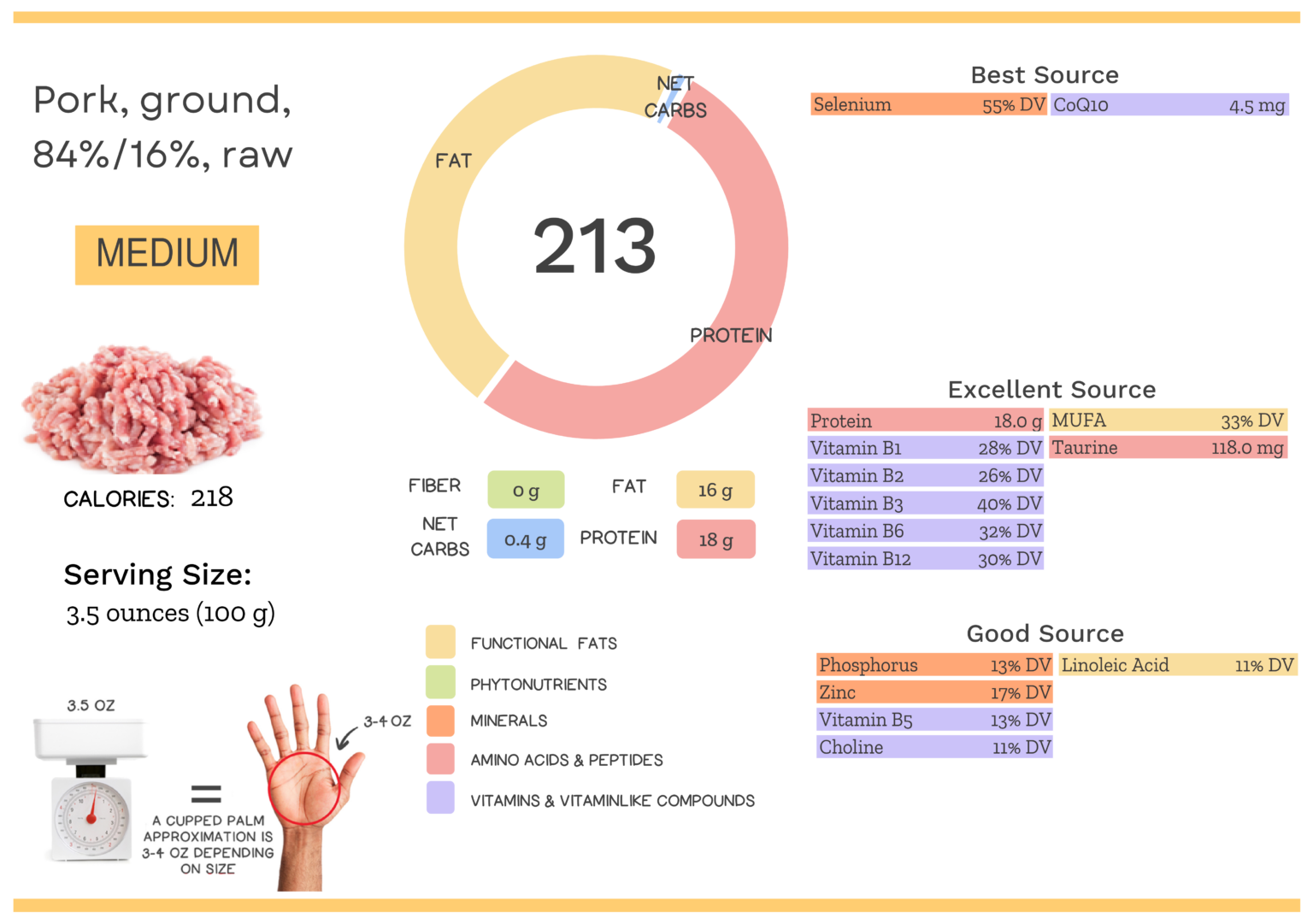
Ground pork deserves mention because it’s frequently used in patties, sauces, and dumplings. The nutrient profile depends on the fat percentage, so readers should treat “ground” as a variable rather than a fixed identity. A higher-fat ground product may better preserve any fat-soluble vitamin D content.
Variety meats and by-products: often overlooked, sometimes nutrient-dense
Variety meats—like stomach and other organ-based cuts—tend to be culturally specific, but nutritionally they’re often intriguing. Offal can carry a distinct nutrient tapestry, and vitamin D can be part of that story even when the meal seems unusual.
Readers who are curious about maximizing micronutrient potential may find organ-inclusive recipes appealing. Browning, simmering, and slow-cooking can turn these ingredients tender and flavorful. Still, portion size matters. Even if vitamin D is measurable, the overall contribution to daily intake depends on how much you eat and how often.
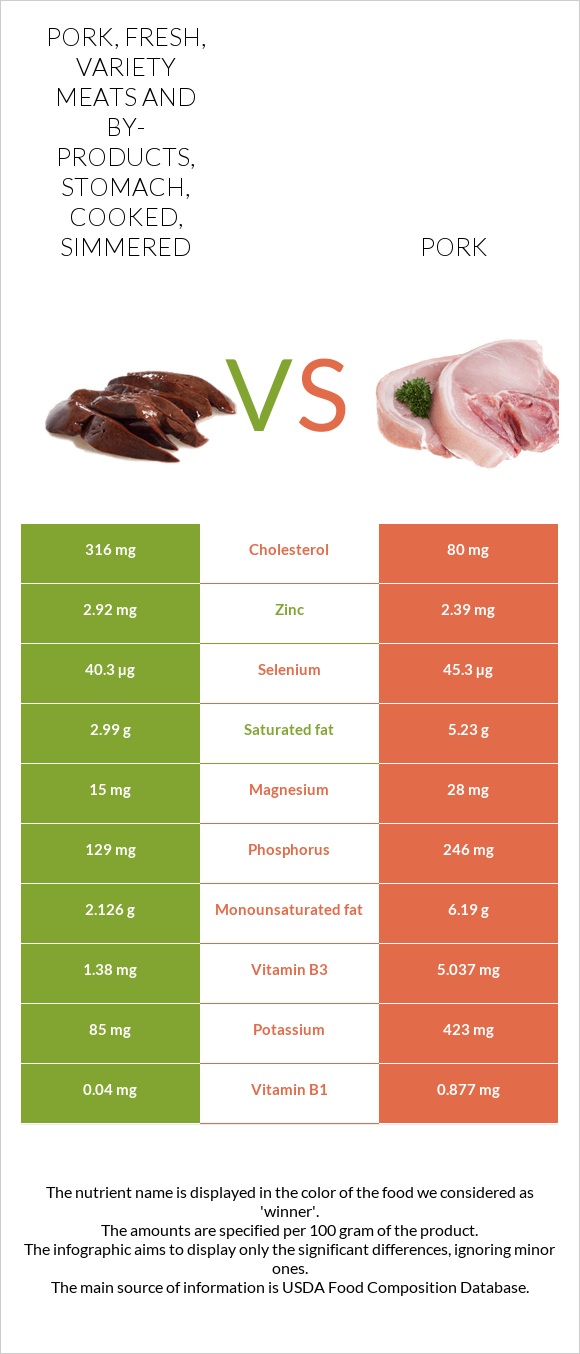
There’s also a psychological shift here: offal can feel “outside the mainstream,” yet it’s one of the ways cuisines preserve ancestral eating patterns. When you treat organ meats as ingredients—not as gimmicks—the meal becomes more balanced and more diverse.
Beyond pork: how other meats tend to differ
When the discussion expands to “other meats,” vitamin D content continues to vary, sometimes dramatically. Generally, animal tissues with more fat can align with higher vitamin D concentration, though this is not a strict rule in every case. The animal’s living conditions play a role too—diet and exposure can influence how vitamin D is stored.
Beef, lamb, poultry, and fish occupy different positions in the vitamin D landscape. Fish often stands out for vitamin D richness, particularly fatty varieties. Poultry and red meats may be lower, but still not zero. For readers aiming to cover vitamin D through diet, pairing meat choices with other dietary vitamin D sources can create a more reliable intake pattern.
A useful way to think about this: if vitamin D from meat is a “support beam,” fish and fortified foods can function as the “structural columns.” Together, they stabilize intake across seasons.
How cooking and processing affect vitamin D in practice
Vitamin D is fat-soluble, which means cooking methods that involve fat handling can subtly change the final nutrient density. Trimming away fat reduces what you keep. Draining rendered fat may lower vitamin D retained in the serving. On the other hand, recipes that keep fat incorporated—such as braises or stews where fat becomes part of the sauce—may preserve more of the nutrient within the edible portion.
Ground meats bring another twist. When you form patties or mix with other ingredients, vitamin D distribution follows the mix. If you include breading, vegetables, or sauces, you may dilute nutrient density per bite, even if the total amount in the entire dish remains similar.
Readers should also consider storage and reheating. Vitamin D is relatively stable compared to some vitamins, but overall meal composition and portion control remain the dominant factors.
What readers can expect from different dietary patterns
For omnivores, the presence of vitamin D in meat can be a quiet additive. Think of it as a “compound drizzle” rather than a splash. If your diet includes meat plus fortified dairy or plant milks, your intake may become more dependable.
For people who eat less fortified food—or who avoid sunlight due to climate, skin sensitivity, or lifestyle—meat may become more relevant. In those cases, variability matters. Choosing a mixture of cuts, occasionally including variety meats, and balancing with vitamin D–richer foods like fatty fish can shift intake from inconsistent to more steady.
Vegetarians and vegans face a different situation. Plant foods rarely provide meaningful vitamin D unless fortified. That means dietary strategy changes entirely—supplements and fortified foods become central, not optional.
Practical meal ideas: turning “small but present” into usable intake
Instead of searching for a single “perfect” meat, readers can aim for thoughtful variety. A week might include roasted pork with a sauce that keeps the rendered fat, a ground pork meal with an appropriate fat level, and—if culturally comfortable—an offal-based dish once in a while. Each meal contributes a small amount; together, the pattern is what builds momentum.
Consider pairing meat with foods that don’t compete for the nutrient’s chemistry. Serve with fiber-rich vegetables for gut benefits, and include healthy fats so the meal’s overall micronutrient profile stays coherent.
Finally, remember that individual needs differ. Vitamin D status is influenced by baseline health, sun exposure, body composition, and genetics. Dietary intake can support these needs, but it is not a substitute for personalized assessment when deficiency is a concern.
Bottom line: modest contributions, meaningful when combined
Pork and other meats carry vitamin D in small amounts—enough to be relevant, especially when choices are varied and when fortified foods or other richer sources complement them. The key is to treat meat as part of a broader strategy rather than a lone solution.
When readers understand the “why” behind variability—cut selection, fat handling, preparation style, and the difference between vitamin D forms—they gain control. And with control comes consistency. That’s how “small but present” becomes something more than a footnote—it becomes a practical component of long-term nutritional resilience.