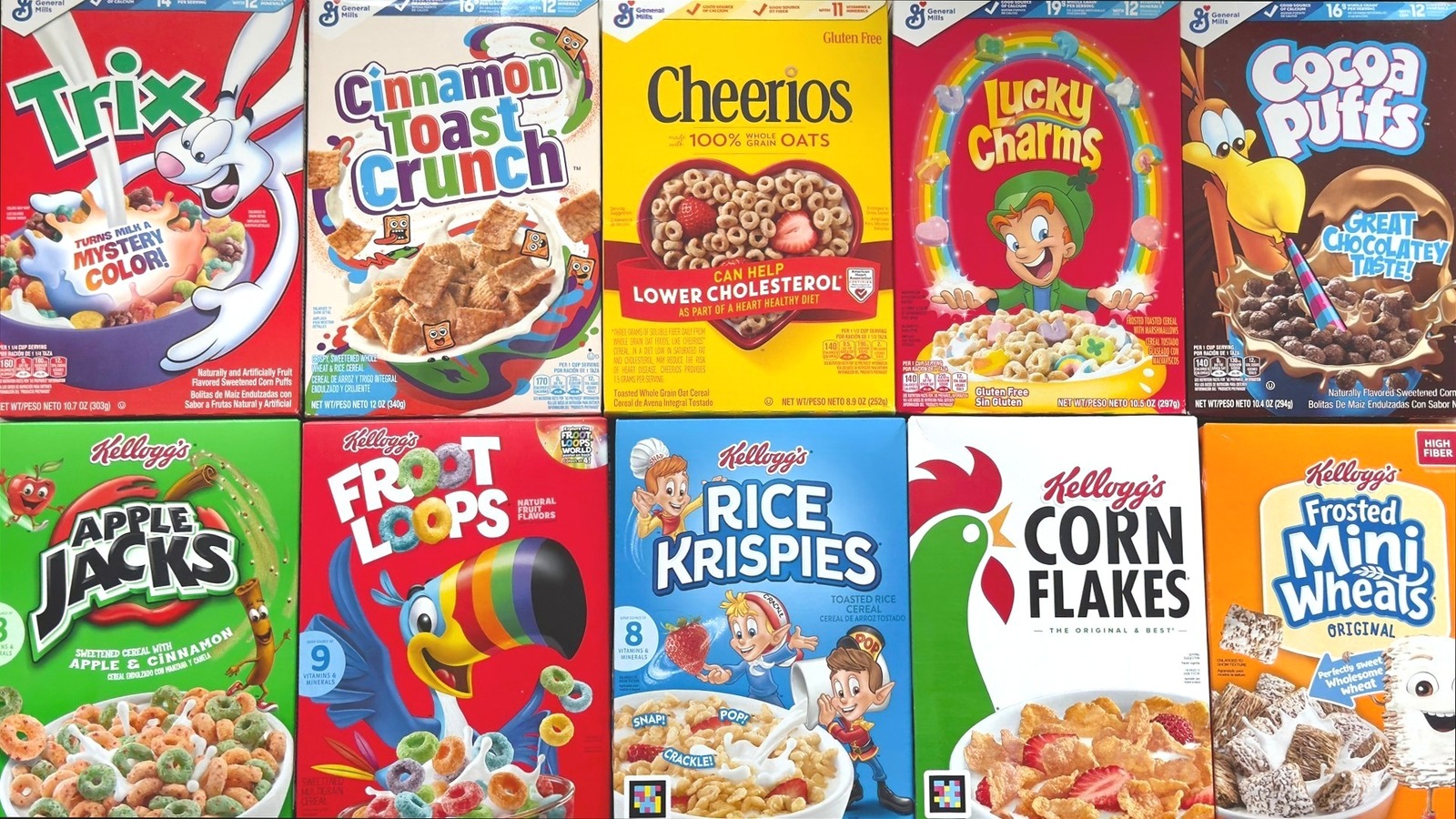
Breakfast is often treated like a routine hallway—quick, practical, and easy to overlook. Yet when you choose a vitamin D-fortified cereal, you’re not just filling a bowl. You’re stepping into a small, luminous ritual where each spoonful becomes a portable beacon—quietly supporting bones, muscles, and immune resilience. In the United States, several cereal brands have turned this idea into an everyday convenience, offering dependable sources of vitamin D alongside the comforting rhythm of milk, fruit, and mornings that refuse to be dull.
Why Vitamin D-Fortified Cereal Feels Like Morning Sunlight
Vitamin D is sometimes called the “sun vitamin,” but not everyone can reliably catch the sun’s generous window. Fortified cereals act like a friendly workaround—less about chasing rays outdoors, more about inviting radiance to your breakfast table. Think of vitamin D as the backstage stagehand of your body’s performance: it helps orchestrate the use of calcium and supports normal immune function, while your day moves forward in its usual choreography.
What makes fortified cereal particularly intriguing is its simplicity. It’s not a complicated supplement routine. It’s a familiar, spoonable meal. Shorter sentences make the point sharp: you can choose what you eat, and you can choose it consistently. The result is a habit that feels almost atmospheric—comforting, repeatable, and quietly empowering.
How to Choose the Right Fortified Cereal (Without Getting Lost in the Aisle)
The cereal aisle can feel like a library where every shelf whispers a different promise. Some boxes shout “whole grain,” others emphasize “fiber,” and still others celebrate “added vitamins.” When selecting vitamin D-fortified cereals, consider a few compass points.
First: check the Nutrition Facts label for vitamin D content per serving. Fortification levels can vary, and clarity matters. Second: look at the overall ingredient profile. Vitamin D is the headline, but you’re also fueling your body with the rest of the cereal’s ingredients—grains, sweeteners, fats, and fiber. Third: consider your typical bowl-building style. If you use plant milk or dairy, your total nutrition can shift.
To make the decision feel less mechanical, try this metaphor: treat the label like a map, not a verdict. You’re not hunting for perfection—you’re selecting a route that fits your mornings.
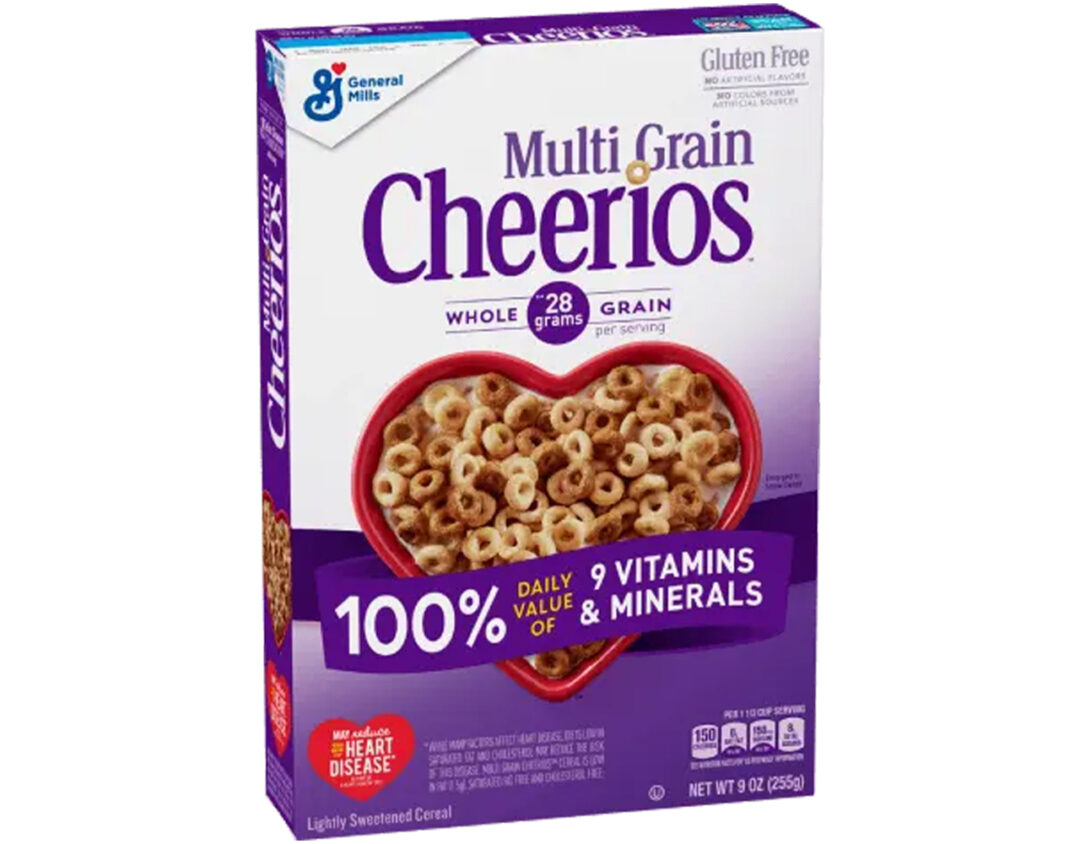
Cheerios Multi-Grain: The Familiar Bowl with a Fortified Advantage
Cheerios Multi-Grain has a well-worn place in American kitchens, and that familiarity is part of its charm. It’s the cereal you can pour without overthinking, the one that blends easily with both classic milk and fruit-forward toppings. When fortified with vitamin D, it gains a subtle extra purpose—an added layer of wellness that doesn’t hijack the flavor.
Its unique appeal is its versatility. Pair it with sliced banana for a soft, caramel-like arc, or add berries for a tart brightness. Some people enjoy it as a “light crunch” base, others treat it as a “daily anchor.” Either way, the fortified component feels like a quiet upgrade—like upgrading the lamp in a room that already feels comfortable.
Fortified All-Day Breakfast Strength: Making Vitamin D Part of a Routine
Consistency is where nutrition becomes meaningful. Vitamin D-fortified cereals can serve as a dependable “repeat button.” Even if your breakfast is sometimes hurried—keys in hand, laptop open, time slipping like sand—fortified cereal can still be steady.
Try pairing your cereal with a small ritual. Pour it slowly. Taste the first spoonful before you scroll. Add a topping that you genuinely enjoy—nuts for crunch, yogurt for creaminess, or cinnamon for warmth. Long sentences can soften the idea, making it feel human: you’re building a routine that fits your life, not one that fights it.
Short version: fortification works best when you actually use it. The goal is not occasional heroism. It’s daily support.
Vegan-Friendly Vitamin D Options: Fortified Cereal Without Compromise
For plant-based eaters, the morning question often sounds like this: “How do I keep my breakfast aligned with my values and my nutrition goals?” Vitamin D-fortified cereals can help bridge that gap. The key is choosing the right cereal and matching it with an appropriate milk or alternative.
Plant milks vary widely in their vitamin D content. Some add it, some don’t. That means your cereal’s fortification may be only part of the total picture. Still, vitamin D-fortified cereals can remain an excellent foundation. Think of them as a base layer of structure—solid, predictable, and ready for customization.
When you choose vegan-friendly cereal plus a vitamin D-aware milk, the combination can feel like assembling a small ecosystem: crunchy grains, creamy texture, and a nutrient strategy that feels coherent rather than accidental.
What “Fortified” Actually Means for Your Breakfast Experience
Fortification is essentially food’s way of being proactive. During processing, certain nutrients can be added so the cereal provides more than just calories and flavor. Vitamin D is one of the nutrients often targeted because it’s difficult to consistently obtain from diet alone for many people.
This doesn’t mean every fortified cereal is identical. The nutrient amounts differ, the ingredient quality differs, and the fiber content differs. Fortified cereal should be treated like a tailored tool: useful, but best when matched to your needs.
Also, remember that fortified foods don’t replace a balanced diet. They complement it. Think of them as helpful allies in a broader nutrition landscape—supporting your choices without pretending to be the entire story.
Best Choices for Nutrient-Forward Mornings: Fiber, Flavor, and Fortification
The “top” cereals aren’t just the ones with vitamin D listed on the label. The most compelling options balance multiple goals: satiety, taste, and ingredient sensibility. Vitamin D-fortified cereals tend to stand out when they also deliver steady energy and reasonable fiber.
Look for categories that fit your appetite:
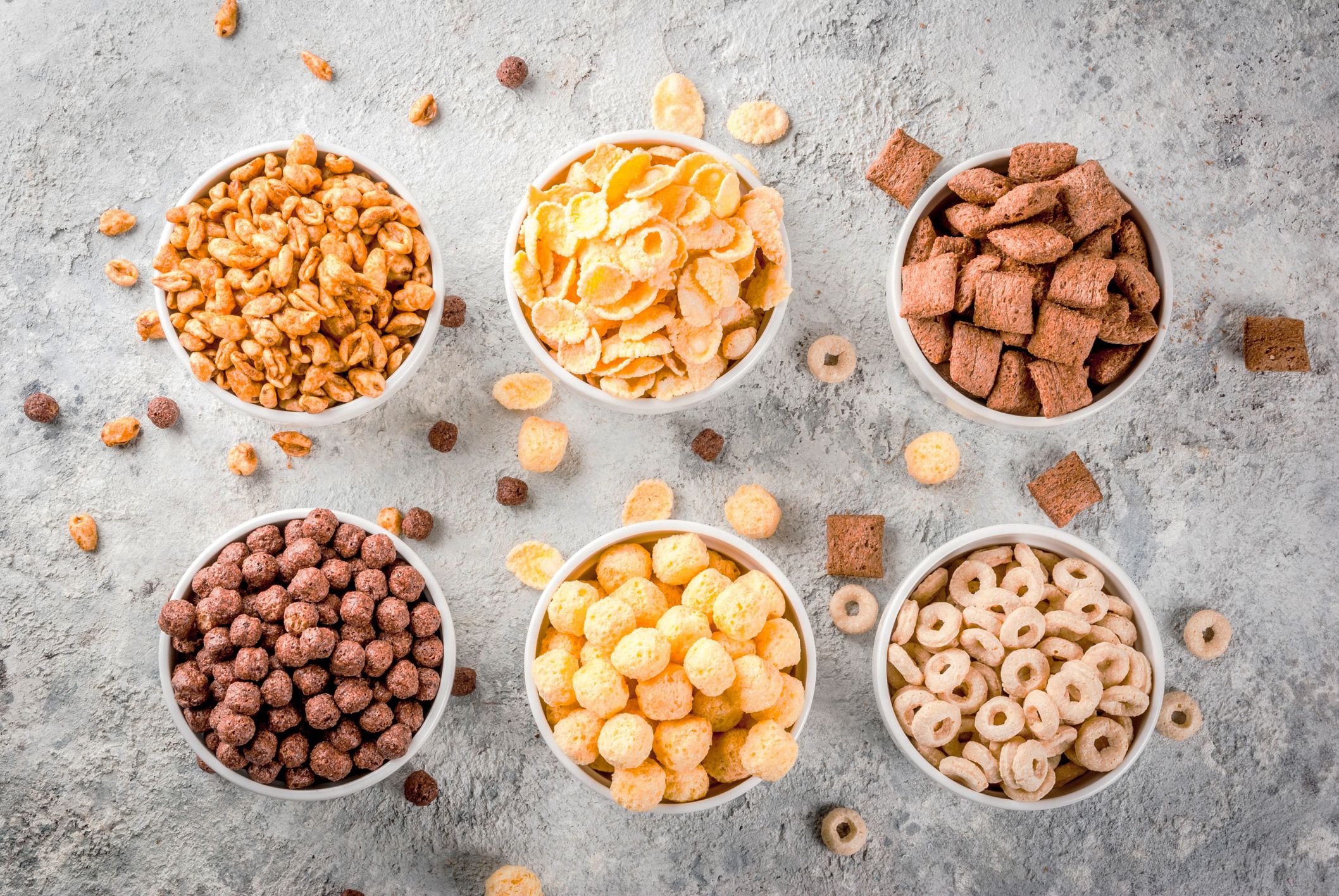
For gentle mornings: multi-grain or lightly sweet cereals can feel calm and easy. For bold cravings: cinnamon or sweetened options can satisfy without turning breakfast into an all-day sugar event—especially when you pair them with fruit or add nuts. For texture lovers: clusters and flakes deliver a satisfying crunch that can make “healthy” feel less like a compromise.
In other words, the best cereal is the one you’ll actually finish and return to tomorrow. Long-term nutrition is less about drama and more about devotion.
How to Build the Perfect Bowl: Practical Pairings That Raise the Appeal
Your bowl is a canvas, and fortified cereal is the underpainting. Milk is the most obvious partner, but toppings are where personalization becomes artistry. Consider adding:
Fruit: blueberries, strawberries, sliced peaches, or bananas for natural color and flavor. Protein boosts: Greek yogurt (or a plant-based yogurt) for a thicker, more sustaining bowl. Healthy crunch: chopped walnuts, almonds, or chia seeds.
If you want the vitamin D focus to remain central, choose a milk that complements your cereal’s fortification. That’s the quiet strategy that makes mornings feel thoughtfully designed instead of randomly assembled.
Common Questions: Taste, Timing, and Real-World Use
Does fortified cereal taste different? Often, you won’t notice much difference. Fortification usually doesn’t hijack flavor. Is it only for breakfast? Breakfast-first branding doesn’t limit cereal’s flexibility. Some people eat it as a quick snack or a late-morning bowl. When is the best time? Any consistent time works. The nutrient doesn’t care about punctuality—your body cares about the routine.
Here’s the metaphor that ties it together: vitamin D-fortified cereal is like a small lighthouse you can carry. Each day you pour, you’re sending a steady signal—“I’m taking care of myself”—in a language that’s delicious enough to repeat.
Final Thoughts: Choosing a Bowl That Feels Like Momentum
The top vitamin D-fortified cereals for breakfast in the US aren’t just products; they’re tiny momentum machines. They turn nutrition into something you can do without negotiation. One bowl can be comforting, quick, customizable, and quietly supportive—an ordinary act with an extraordinary afterglow.
Pick a cereal that fits your taste, check the vitamin D on the label, and build a bowl you actually want to eat. Then let the routine do what routines do best: making health feel less like a distant goal and more like a natural part of morning life.