Fertility often feels like a mystery you chase—months turning into years, optimism braided with uncertainty. Yet beneath the surface of cycles, ovulation, and sperm parameters lies a quieter protagonist: vitamin D. Not merely a “bone vitamin,” it behaves more like a molecular diplomat, negotiating between endocrine signals and reproductive tissues. The evidence is not a fairy tale promise of guaranteed pregnancy. Instead, it paints a more intriguing picture: vitamin D appears to influence the choreography of conception—from gamete health to implantation readiness. And once you begin to view vitamin D through a fertility lens, the entire conversation about conception starts to tilt toward biology you can actually interrogate.
Vitamin D: More Than Sunshine, More Than Skeletons
Vitamin D begins as a precursor and finishes as an active signaling molecule. In the body, it acts through the vitamin D receptor (VDR), a switch-like entity found in a surprising array of reproductive tissues. This means vitamin D isn’t passively “helping.” It is participating. It can modulate gene expression and influence cellular processes such as differentiation, oxidative balance, and immune behavior.
In the reproductive realm, these are not ornamental functions. They are structural. Fertility depends on a synchronized chain: endocrine signals must coordinate with ovarian follicle development, sperm maturation must remain resilient, and the uterine environment must be receptive rather than hostile. Vitamin D seems to thread through these stages like a hidden regulator—sometimes subtle, sometimes decisive.
Ovarian Physiology: Follicles, Steroids, and the Assessment Question
The ovaries are not just egg-storage chambers. They are dynamic factories where follicles mature, steroid hormones are produced, and cellular cross-talk is incessant. Vitamin D may contribute to ovarian physiology by influencing follicular development and the steroidogenic pathway. When vitamin D signaling is insufficient, the microenvironment may become less conducive to the formation of competent oocytes.
Clinically, one curiosity emerges: rather than asking only whether vitamin D “matters,” the more interesting question becomes how deficiency might manifest in fertility metrics. Studies have explored links between lower vitamin D status and outcomes such as reduced ovarian reserve markers and altered response to fertility treatments. The direction is often consistent, but the magnitude varies—because fertility is polyfactorial. Vitamin D is rarely alone; it intersects with BMI, insulin sensitivity, seasonal patterns, and baseline inflammation.
So a shift in perspective is warranted. Think of vitamin D as part of a larger biochemical symphony. When one instrument is out of tune, the entire performance can suffer—even if every other musician is talented.
Egg Quality and Gamete Competence: The Quiet Influence
Conception starts before intercourse ever becomes a calendar event. It begins at the cellular level, where gametes develop under the governance of nutrient status, oxidative stress control, and signaling pathways. Vitamin D’s role in gamete competence has drawn attention because its receptor signaling can affect cell cycle dynamics and apoptosis—processes that determine whether a developing cell remains viable and properly organized.
Higher-quality oocytes tend to produce embryos that implant more effectively. While embryo quality is influenced by many variables, vitamin D appears capable of nudging the biological environment toward stability. This doesn’t mean vitamin D acts as a magic upgrade button. Rather, it may help reduce the “noise” of stressors that impair development, such as oxidative imbalance.
In narrative terms: egg quality is a manuscript. Vitamin D may not write the whole story, but it can help ensure the ink dries evenly.
Sperm Function: Motility, Capacitation, and Cellular Resilience
Fertility conversations often default to female physiology. Yet conception is a duet—sperm biology matters profoundly. Vitamin D may contribute to sperm development and function, with potential effects on motility and capacitation (the transformation sperm undergoes to fertilize an egg). Sperm rely on tight regulation of energy metabolism and membrane dynamics. Vitamin D’s influence on cellular signaling could affect these parameters.
For couples navigating infertility, this is a reframing moment. Vitamin D deficiency may not simply be a “female factor” concern. It can be part of a shared, systemic context—particularly in populations where limited sun exposure, darker skin pigmentation in high-latitude regions, or dietary insufficiency is common.
Even subtle changes in sperm motility can tilt probabilities. The outcome is statistical rather than absolute, but biology rarely operates with guarantees—only with tendencies.
Embryo Development and Early Signaling: A Time-Window Perspective
The early embryo is astonishingly sensitive. It is an intricate negotiation between maternal contributions and the embryo’s unfolding developmental program. Vitamin D signaling may play a role in embryo development by influencing pathways related to cell differentiation and implantation readiness.
Here, timing matters. Fertility is not one moment; it’s an orchestration of windows: follicular maturation, ovulation timing, fertilization conditions, and then implantation. Vitamin D may exert influence at one or more of these points. That is why evidence is often framed in terms of associations with fertility outcomes rather than deterministic cause-and-effect.
The promise, though, is that the same vitamin D that is often discussed for general health becomes relevant to reproductive timing. It shifts the conversation from “Are we doing everything?” to “Which biological dials might we be overlooking?”
Implantation and Uterine Receptivity: The Immune and Endometrial Equation
Implantation is less about brute force and more about compatibility. The endometrium must become receptive; immune tolerance must be balanced; signaling cascades must proceed without disruption. Vitamin D is notable here because it can influence immune regulation. The uterine environment requires a kind of precision diplomacy: it must defend without rejecting, and it must permit growth without chaos.
Research exploring vitamin D’s role in endometrial function suggests it may affect factors linked to implantation success. When vitamin D status is inadequate, immune modulation and inflammatory equilibrium may shift in ways that reduce the probability of successful implantation.
This is where curiosity deepens. Many fertility experiences feel personal, but implantation is profoundly biochemical. A vitamin that can modulate immune behavior offers a plausible bridge between systemic health and uterine outcomes.
Assisted Reproduction (IVF): Does Vitamin D Change the Odds?
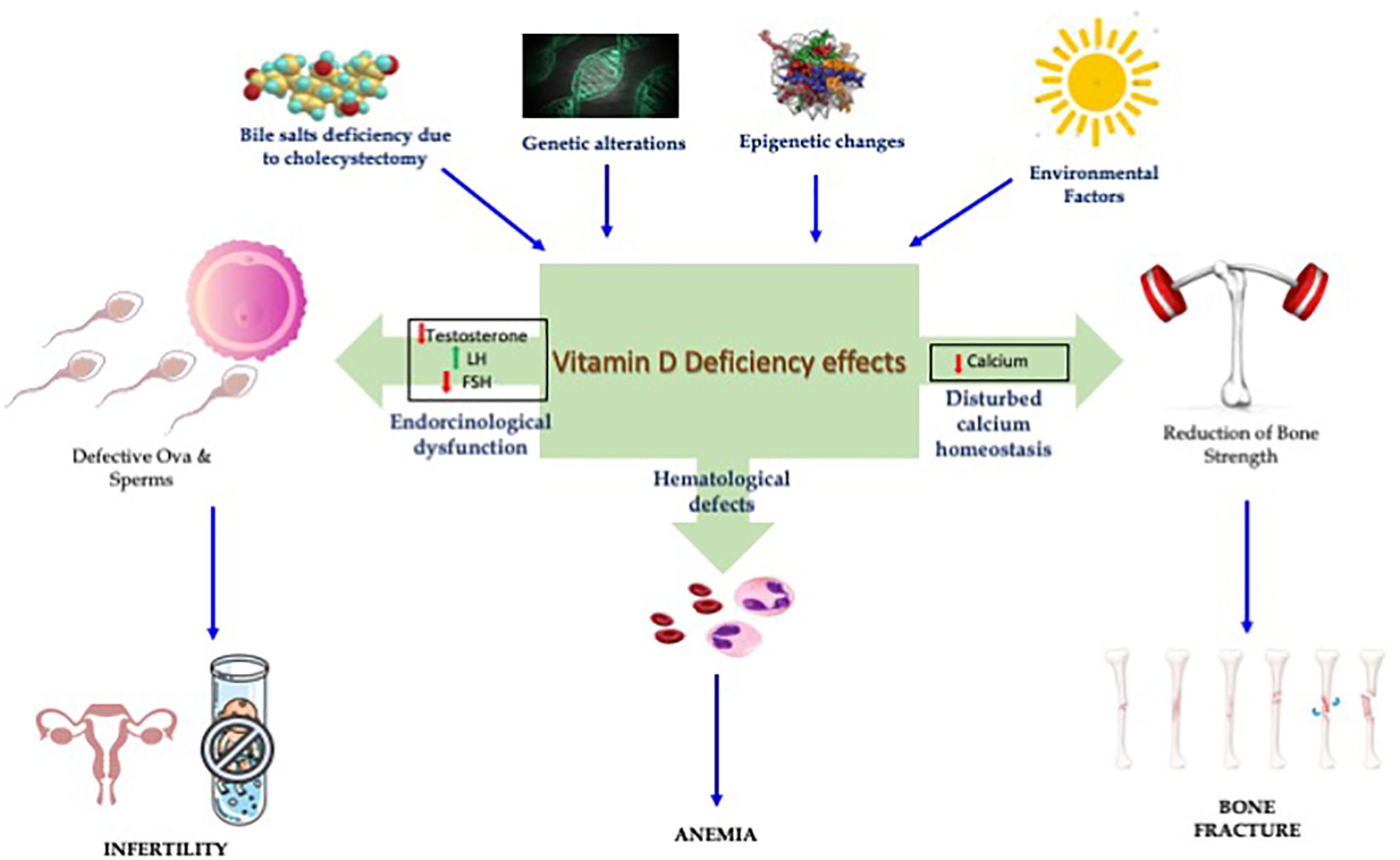
Within assisted reproductive technologies, vitamin D has been studied in relation to oocyte retrieval, embryo quality, and pregnancy outcomes. Some findings suggest that vitamin D sufficiency may be associated with improved reproductive endpoints, while other studies show more mixed results. Such variation is common in reproductive research, where confounders are abundant—differences in dosing regimens, baseline deficiency severity, and patient characteristics.
Yet the consistent theme is compelling: vitamin D is not merely a background nutrient. It may serve as a modifiable parameter that influences the reproductive environment. In IVF settings, where the process already compresses time and intensifies biological constraints, even small improvements in cellular stability could matter.
Still, it’s important to avoid the temptation of overconfidence. The most responsible approach is to think in terms of risk mitigation and potential optimization, not guaranteed success. Fertility remains a probabilistic journey, not a linear equation.
Deficiency, Risk Factors, and the Modern Lifestyle Trap
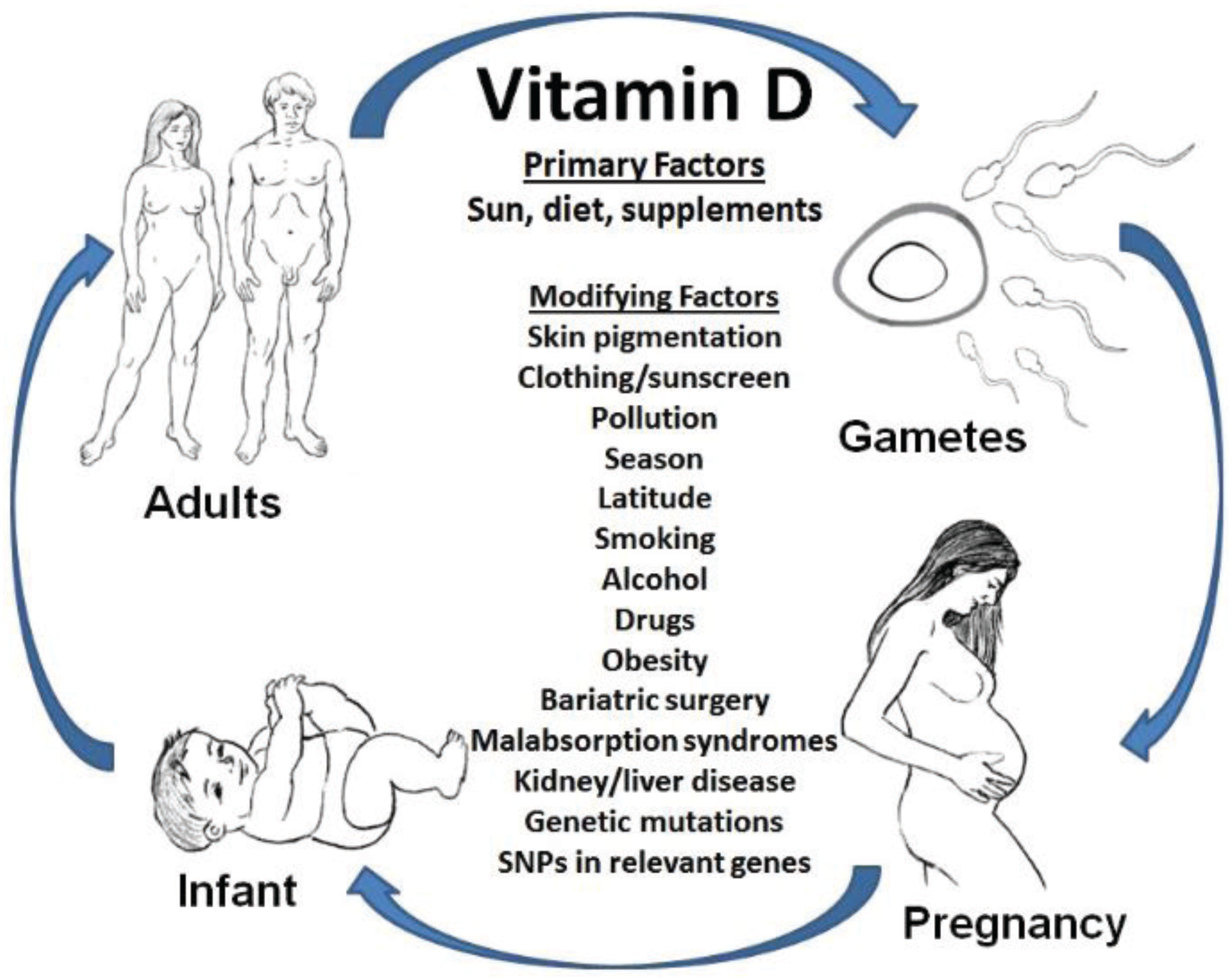
Vitamin D deficiency is common in many regions due to limited sunlight exposure, indoor living, geographic latitude, and cultural clothing practices. Dietary sources may be insufficient, and absorption can be affected by gastrointestinal conditions or certain medications.
Body composition also plays a role. Vitamin D can become sequestered in adipose tissue, lowering bioavailability for reproductive tissues. Seasonal variability adds another layer: levels can drop in winter and recover in summer. For couples trying to conceive, that means fertility timelines may inadvertently coincide with lower vitamin D status.
Understanding risk factors transforms vitamin D from a vague health recommendation into a tailored consideration. It becomes a detective tool: who is likely deficient, and when?
Testing and Supplementation: Practical Curiosity, Not Guesswork
The most constructive step is measurement—checking circulating 25-hydroxyvitamin D, the common indicator used to assess vitamin D status. Blind supplementation is a gamble. The body’s response depends on baseline levels, absorption capacity, and overall metabolic context.
For supplementation, dosing strategies vary across clinical practice, and an individualized approach is essential. Too little may not correct deficiency; too much can create toxicity risks. The goal is equilibrium: adequate vitamin D signaling without overshooting safety boundaries.
Importantly, supplementation is not an island. It should be considered alongside folate status, iron balance, thyroid function, metabolic health, and lifestyle factors that affect reproductive outcomes.
Promises and Limits: What the Evidence Suggests (and What It Doesn’t)
The most honest promise of vitamin D in fertility is not certainty—it is plausibility. Evidence supports associations between vitamin D status and various reproductive parameters, including ovarian function, implantation-related pathways, and pregnancy outcomes in some contexts. Mechanistic reasoning also aligns: vitamin D can influence gene expression, immune regulation, and cellular stress responses in tissues relevant to conception.
But fertility is an ecosystem. Age, underlying reproductive diagnoses, tubal health, uterine anatomy, semen parameters, and lifestyle variables all exert substantial influence. Vitamin D may act as a supportive conductor, not the sole composer.
That distinction matters emotionally. It helps couples approach vitamin D with hopeful realism—curiosity grounded in biology, rather than desperation disguised as certainty.
Where This Leaves You: A Shift in Perspective Toward Modifiable Biology
Imagine fertility counseling where the conversation includes not only hormones and timing, but also the broader biochemical landscape. Vitamin D offers a window into that landscape. It connects sunlight exposure, dietary intake, immune behavior, and reproductive tissue signaling—all in a single molecule family.
If you’re navigating fertility concerns, the most useful stance is to ask informed questions: Could vitamin D deficiency be present? Would testing reveal an actionable gap? Could correcting insufficiency support the reproductive environment during the months when success is most sensitive?
The narrative changes when you stop treating fertility as an unsolvable puzzle. You start treating it as a system with levers—some obvious, some hidden. Vitamin D is one of the hidden levers, and once you see it, it’s hard not to wonder how many reproductive journeys have been shaped by a nutrient taken for granted.