Imagine an elderly body as a well-kept house in a storm: the structure is sound, yet every gust tries to loosen what’s holding everything together. Now add one more variable—frailty—and the storm seems to intensify. Could a targeted, high-dose approach to vitamin D be one of the braces that helps prevent fractures? The idea is tempting, but here’s the playful challenge: what if the very supplement designed to strengthen bones is also the thing that tempts us into overconfidence?
Frail Aging: Why Bones Become Vulnerable
Frailty isn’t merely “being old.” It’s a syndrome of diminished reserve: less muscle, slower recovery, and a body that struggles to buffer stress. Bones, which normally function like adaptive scaffolding, can become less resilient when maintenance falters. Calcium absorption, muscle function, and balance all enter the conversation. And when these systems wobble together, falls become more likely—and fractures follow like the last dominoes in a line.
Vitamin D is central here. It helps regulate calcium and supports mineralization—the hardening and proper organization of bone matrix. When vitamin D status declines, bones may become porous and less able to withstand sudden mechanical forces. The result is not just fragility; it’s fragility with timing, often showing up after a fall, a stumble, or even minor trauma.
High-Dose Vitamin D: What “High” Really Means
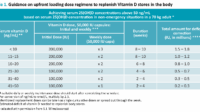
When clinicians discuss high-dose vitamin D, they’re typically referring to dosing strategies that deliver vitamin D in larger amounts than daily low-dose regimens. The goal is usually to rapidly correct deficiency or to sustain adequate levels despite low dietary intake, limited sun exposure, malabsorption, or metabolic changes that arrive with age.
However, dosage is only half the story. Frequency matters. Whether vitamin D is administered intermittently or in a steady cadence changes how serum levels rise and fall. That rhythm can influence effectiveness and safety. Short peaks may strengthen mineral metabolism for a period, while overly aggressive dosing can raise concerns about hypercalcemia or falls in some contexts—especially if patient selection and monitoring are careless.
Bone Strength vs. Fall Risk: The Two-Front War
Fracture prevention is often narrated as a bone-only problem, but it behaves like a two-front war. Vitamin D can influence both the infrastructure (bone mineralization) and the battlefield (muscle function and balance). When vitamin D status improves, muscle performance can become less sluggish. Neuromuscular coordination may sharpen. Postural control may become steadier.
So the question becomes: is high-dose vitamin D mainly a bone builder, mainly a balance enhancer, or both? The most convincing clinical outcomes tend to be those that acknowledge the overlap. A person who experiences fewer falls will see fewer fractures. And a person whose bones better resist impact will also fare better when a fall happens anyway.
The Mechanistic Rationale: How Vitamin D Supports Mineralization
Vitamin D acts like a backstage coordinator. It influences the production and regulation of proteins involved in calcium absorption from the gut and in calcium handling in bone. When adequate vitamin D is present, calcium becomes more available, and bone-forming cells can mineralize collagen scaffolds more effectively.
In frail elderly individuals, there’s often a double bind: dietary intake may be low, sunlight exposure minimal, and physical activity reduced—further limiting the natural pathways that help maintain vitamin D sufficiency. High-dose interventions aim to overcome these bottlenecks by elevating vitamin D stores efficiently.
Yet mechanisms don’t guarantee outcomes. Biology is persuasive, but clinical data depends on adherence, baseline vitamin D status, comorbidities, and how the body tolerates and metabolizes the dose.
Intermittent vs. Sustained Dosing: A Practical Tension
There’s an everyday tension between intermittency and steadiness. Intermittent high-dose vitamin D can be convenient and may improve adherence for people who struggle with daily pills. But it also creates oscillations in serum concentrations. Some physiologic systems tolerate oscillations well; others respond better to gradual, sustained availability.
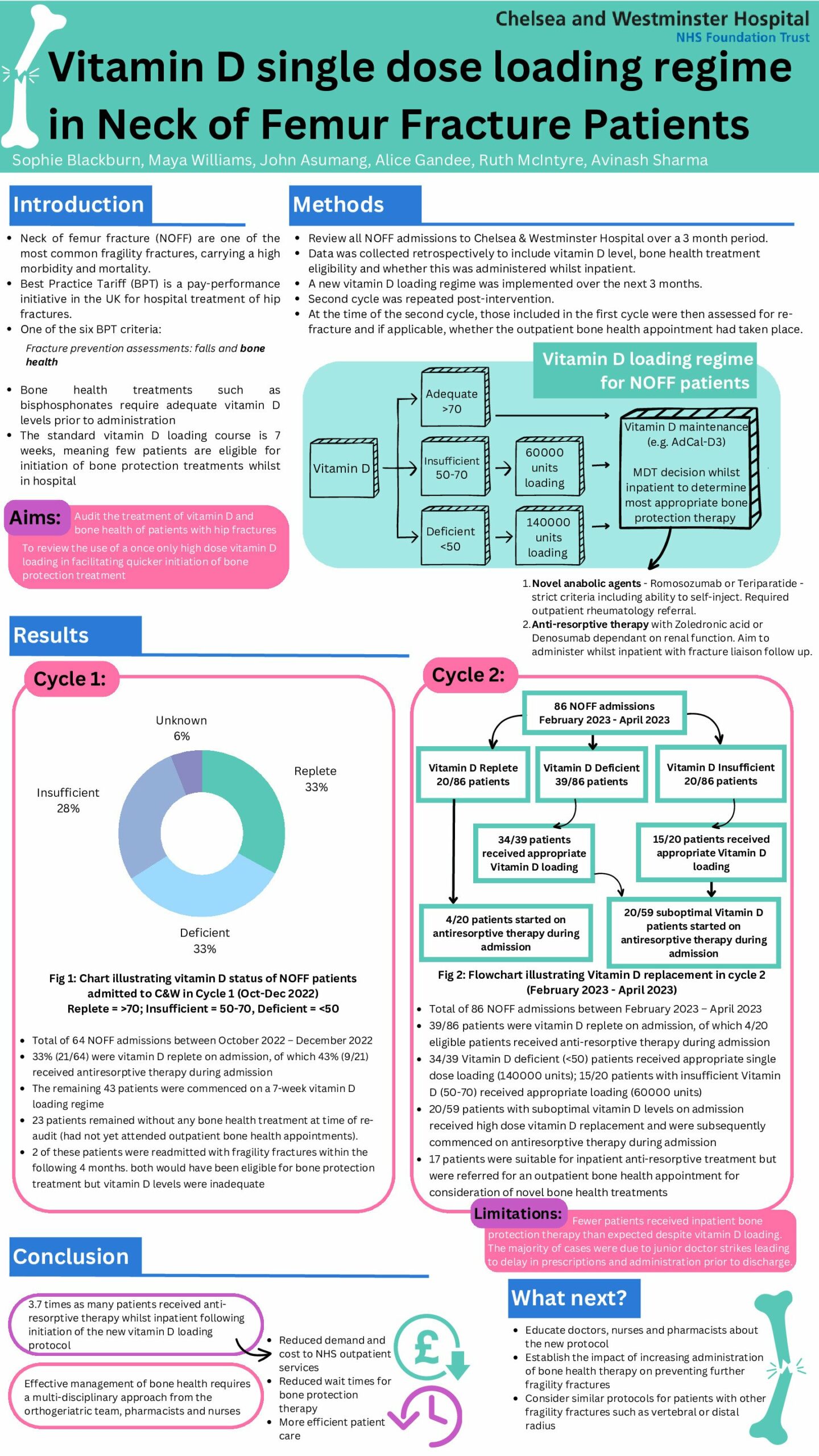
Clinicians often consider baseline deficiency and the risk profile of the patient. A very deficient individual might respond dramatically when levels are restored. A person who is already replete may not gain as much benefit from aggressive dosing, and could face diminishing returns or unnecessary exposure.
This is where the “potential challenge” becomes real: the same high-dose strategy may not suit everyone. Treating the population is easier than tailoring the individual.
Clinical Outcomes: What Happens to Fracture Risk
In studies that evaluate high-dose vitamin D strategies for preventing incident fractures in older adults, the results often hinge on baseline status and the characteristics of the participants. People with lower starting vitamin D levels may show greater improvement in musculoskeletal function and bone metabolism. Frailty, too, can modify outcomes: a frail body might benefit more from restoring depleted stores, yet frailty also brings competing risks—falls from orthostasis, medication effects, gait impairment, and vitamin D–independent bone changes.
Fracture prevention is not a single lever. It’s a system: nutrition, strength, balance, medication review, vision correction, and environmental safety. High-dose vitamin D can be a powerful component, but it rarely works as a standalone spell.
Safety Considerations: The “Strength” Trap
A supplement that’s potent can also be perilous if used without discipline. High-dose vitamin D strategies require attention to calcium intake, kidney function, and the possibility of overshooting safe ranges. While vitamin D toxicity is uncommon when dosing is managed appropriately, the risk profile changes in people with renal impairment or conditions predisposing to hypercalcemia.
Monitoring—whether through laboratory checks or clinical observation—helps prevent unintended consequences. Dosing should align with a person’s needs, not just a one-size template. Safety isn’t a footnote; it’s the foundation that allows benefit to be realized.
What About Frailty-Specific Context? Muscle, Cognition, and Falls
Frail elderly individuals often exhibit sarcopenia, reduced reflex responsiveness, and slower recovery from minor trauma. Vitamin D may improve aspects of muscle function, but frailty’s drivers include inflammation, neurologic changes, and hormonal shifts. In this context, vitamin D can be like improving the weatherproofing while the roof still needs structural reinforcement.
Cognition also matters. Executive function influences hazard detection, walking strategy, and adherence to safety routines. Even if vitamin D helps muscle performance, a person may still face fall triggers—clutter, poor footwear, or risky transfers from chair to bed. Therefore, fracture prevention should be multidimensional: high-dose vitamin D paired with fall-prevention programming, exercise, and supportive care.
A Playful Summary: The Brace, Not the Castle
So, could high-dose vitamin D help prevent fractures in the frail elderly? The evidence-informed answer is often: it can, especially when deficiency is present and dosing is thoughtfully selected. But the real risk is assuming it’s the castle wall by itself. The frail body is a whole structure—bones, muscles, balance, medications, and environment in one continuous narrative.
Consider vitamin D as a brace in the framework. A brace can reduce the wobble, but it doesn’t replace the importance of physical therapy, home safety, and medical review. If you want fewer fractures, the smartest strategy is a coordinated plan—where high-dose vitamin D plays a role, and where frailty-specific needs are treated with respect.

Turning Strategy into Practice: The Checklist That Matters
If the goal is fracture prevention, a structured checklist makes the intervention more than a headline. First, assess baseline vitamin D status and calcium intake. Second, consider kidney function and comorbidities that affect vitamin D metabolism. Third, pair supplementation with resistance and balance exercises whenever feasible—because improved muscle coordination turns “risk” into “resilience.” Fourth, perform medication reconciliation to minimize dizziness and impaired gait. Finally, address the environment: lighting, grab bars, footwear, and safe transfer techniques.
High-dose vitamin D can then function as a well-timed ally—strengthening bone readiness and potentially enhancing muscle function—while the rest of the strategy quietly holds everything together.