Obesity changes the way the body stores and uses many nutrients, and vitamin D is no exception. If you’ve ever wondered why a “standard” dose sometimes feels underwhelming—or why two people with the same blood level can have different experiences—weight-based dosing may offer a more rational starting point. This approach doesn’t replace clinician oversight, but it does create a framework that better matches physiology: a larger body mass can act like a bigger “storage reservoir,” altering distribution, sequestration, and ultimately how much vitamin D is needed to achieve sufficiency.
Below is what readers can expect: practical dosing logic, distinctions between daily and intermittent regimens, guidance on lab targets, safety boundaries, and common pitfalls that derail even motivated supplementation plans. Along the way, you’ll see how obesity-related considerations can influence the choice of dose and frequency, and how to interpret results without spiraling into guesswork.
Why Obesity Can “Confound” Vitamin D Response
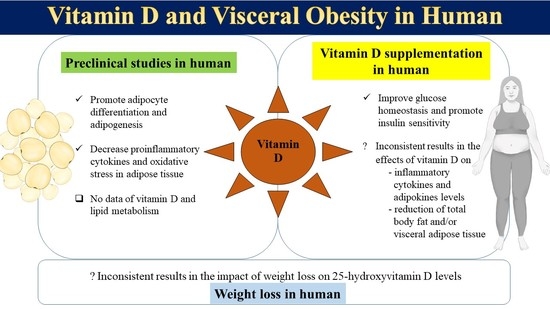
Vitamin D is fat-soluble, which means it doesn’t simply circulate and disappear. In obesity, vitamin D can be more thoroughly partitioned into adipose tissue—essentially increasing the distance between where vitamin D is stored and where it needs to function. This can create a scenario where blood levels rise more slowly, or where higher intake is required to reach the same circulating 25-hydroxyvitamin D concentration.
Think of it like this: if vitamin D is distributed across a larger “warehouse” (more adipose tissue), the same delivered amount may not translate into the same warehouse-to-blood circulation rate. The result is often a blunted response to fixed doses. Weight-based dosing attempts to correct that mismatch by scaling the starting point to body size.
Core Principle of Weight-Based Dosing
Weight-based dosing rests on a simple idea: dose should track physiologic volume. Many clinicians use body weight or body mass index as a proxy for distribution capacity. The goal isn’t to chase an arbitrary number; it’s to make a reasonable initial prescription, then adjust using follow-up lab values.
In practice, dosing strategies often involve two phases:
1) Repletion: bringing an insufficient level upward more efficiently.
2) Maintenance: sustaining sufficiency without overshooting.
A weight-informed repletion dose can reduce the time spent hovering in the “low-but-not-terrible” zone. Then maintenance can be fine-tuned based on response.
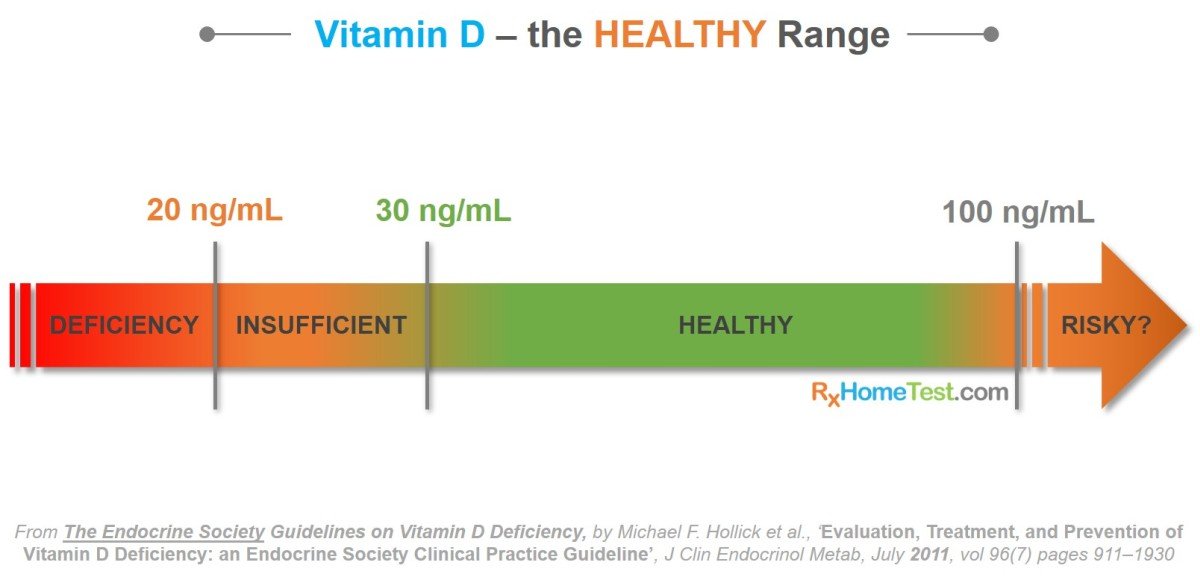
Choosing the Right Lab Target: 25(OH)D as the Compass
When discussing “the right dose,” it helps to specify what you’re measuring. Most discussions focus on 25-hydroxyvitamin D [25(OH)D] because it reflects vitamin D status more reliably than short-term fluctuations in active metabolites.
Readers should expect an emphasis on testing strategy: starting at baseline, rechecking after an interval long enough for changes to appear. Short re-test cycles can lead to confusion. Longer intervals provide clearer signals, especially for people with obesity, whose absorption and distribution dynamics may be slower.
Equally important is interpreting results within context: baseline level, sun exposure, dietary intake, seasonal variation, and adherence. A single lab value is a snapshot, not a biography.
Daily vs. Intermittent Dosing: Which Pattern Fits Obesity?
Vitamin D dosing isn’t only about quantity; it’s also about cadence. Daily dosing offers a steadier pharmacokinetic profile. Intermittent dosing—such as weekly or monthly regimens—can be convenient and sometimes more practical, especially for people who prefer fewer routines.
However, obesity can influence how vitamin D is processed and stored. Some individuals feel better maintaining steadiness; others tolerate intermittent dosing without dramatic swings. The “best” pattern is often the one that supports consistent intake and predictable lab response. A clinician may recommend one schedule initially and adjust based on follow-up measurements.
In narrative terms: consistency is the unseen ingredient. People don’t fail dosing because they chose the wrong concept—they fail because life interrupts the plan.
Practical Range: How Higher Starting Doses Often Enter the Conversation
For many individuals with obesity and deficiency, clinicians may consider higher initial dosing than the “one-size-fits-all” approach used in average-weight populations. This is not an invitation to self-escalate endlessly. It’s a recognition that distribution and sequestration can require a more assertive repletion effort.
Readers can expect guidance that separates:
Reasonable escalation (guided by weight and baseline deficiency) from
Unbounded escalation (which increases risk without guaranteeing benefit).
In most weight-based discussions, dose selection begins with baseline 25(OH)D, then considers body weight. After repletion, the maintenance dose is typically lower, because the body has achieved a new equilibrium.
Safety Boundaries: Avoiding the Overshoot That Backfires
Vitamin D has a therapeutic window. Too little may not correct insufficiency; too much can provoke hypercalcemia and related complications. While vitamin D toxicity is uncommon, risk rises with chronic high doses, especially when combined with other calcium-raising factors.
A professional approach includes safety checks: reviewing overall calcium intake, existing kidney conditions, concurrent medications, and baseline lab findings. Some clinicians also consider periodic monitoring of calcium and other relevant markers if higher dosing regimens are used.
Adopting an “evidence-forward caution” mindset helps. The objective is sufficiency, not maximal numbers.
Role of Calcium, Magnesium, and Lifestyle Synergy
Vitamin D does not work in isolation. Its downstream actions depend on calcium availability and a metabolic environment that supports normal mineral handling. Magnesium is also involved in vitamin D metabolism, and deficiency in magnesium can blunt the effectiveness of supplementation.
Readers can expect content that frames vitamin D as part of a network rather than a standalone pill. Dietary calcium adequacy, sensible protein intake, resistance training, and daylight exposure can all influence outcomes. Lifestyle changes may not replace dosing entirely, but they can reduce how hard the supplement has to “carry” the physiology.
When obesity is present, lifestyle efforts may also improve inflammatory signaling and metabolic health—indirect factors that influence how the body responds over time.
Interpreting Response: What “Working” Looks Like
A successful dose strategy tends to show a meaningful rise in 25(OH)D on recheck. But “working” doesn’t always mean dramatic changes. Some individuals respond quickly; others require more time due to slower distribution kinetics.
If levels don’t rise adequately, clinicians may evaluate adherence, intake from all sources (including fortified foods), baseline severity, kidney handling, and absorption issues. Rarely, underlying gastrointestinal conditions can impede absorption, forcing a different approach.
The key is avoiding impatience. Vitamin D is not a firework; it’s a slow-building structure.

Common Pitfalls in Weight-Based Vitamin D Dosing
Several traps recur in real-world supplementation:
Relying on guesswork: starting high without follow-up labs.
Ignoring total intake: forgetting supplements, fortified foods, and multivitamins.
Skipping retesting: dosing becomes an uncalibrated experiment.
Assuming deficiency is universal: people can have different baseline statuses; dosing should start from measured reality.
Overlooking absorption: if absorption is impaired, weight-based logic may still be correct but ineffective.
A cohesive plan prevents these missteps. It’s not about perfection—it’s about iteration with data.
What a Well-Structured Plan Can Look Like
A reader-friendly strategy often includes:
1) Baseline testing of 25(OH)D (and clinician-chosen supporting labs).
2) Weight-informed starting dose aimed at repletion.
3) A defined follow-up window to reassess levels.
4) Transition to maintenance once sufficiency is reached.
5) Periodic monitoring if dosing continues at higher levels or if risk factors exist.
This structure gives vitamin D dosing a narrative arc: assess → adjust → stabilize. For people living with obesity, that arc can reduce frustration and make results more predictable.
When to Seek Clinician Guidance
Weight-based dosing can be sensible, but it’s most powerful when aligned with medical oversight—especially in the presence of kidney disease, a history of hypercalcemia, malabsorption syndromes, or concurrent medications affecting calcium metabolism. Clinicians can tailor both dose and monitoring frequency, turning supplementation from a gamble into a measured intervention.
If you’re ready to move beyond vague dosing advice, the next step is simple: test your status, discuss a weight-informed repletion plan, and let follow-up labs guide maintenance. In obesity, that calibrated approach often feels less like trial-and-error and more like finally matching the dose to the body you actually have.