Hair growth and hair thickness rarely hinge on a single nutrient. Still, vitamin D occupies an unusual niche: it behaves less like a passive “vitamin” and more like a hormone-like modulator that can influence follicle cycling, immune signaling, and the microenvironment around growing strands. When vitamin D status is suboptimal, hair can look flatter, shed more readily, or feel as if density has quietly thinned. When it is in an optimal range, many people notice improvements in how hair grows and how robustly it holds its texture. The question isn’t merely whether vitamin D matters—it’s what level tends to support thicker, healthier hair and how to reach it responsibly.
Why Vitamin D Can Influence Hair Growth and Density
To understand optimal levels, it helps to consider vitamin D’s unusual biology. After sunlight exposure or supplementation, vitamin D is converted into active forms that can bind to receptors present in hair follicles. Those receptors participate in regulating the hair follicle’s life cycle—how follicles shift between growth (anagen), rest (telogen), and renewal phases. Vitamin D also intersects with inflammatory pathways, and inflammation is often the hidden dramaturg in hair-related problems.
In practical terms, vitamin D may help create a healthier “follicular habitat.” That habitat supports keratinocyte function, influences oxidative balance, and may help reduce the chronic signal of stress that can encourage premature shedding. Some people experience a sturdier look—less wispy hair, fewer flyaways, and a more substantial feel—because the growth phase is more effectively sustained.
The Biomarker That Actually Matters: Serum 25(OH)D
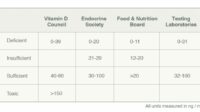
When discussing “optimal vitamin D,” the conversation should revolve around serum 25-hydroxyvitamin D, written as 25(OH)D. This is the storage form that best reflects the body’s vitamin D availability. It’s measured in either ng/mL or nmol/L, and while lab reference ranges vary, the pattern is consistent: if 25(OH)D is too low, hair-friendly physiology can stall.
Most clinicians treat vitamin D deficiency as a meaningful driver of various tissue-level issues. For hair goals, the aim is often to land in a middle-to-upper sufficient range rather than merely avoiding deficiency. The reason is simple: hair follicles are actively renewing structures; they demand resources and coherent biochemical signaling. If vitamin D supply is limping, the follicle may respond with a slower, less resilient growth rhythm.
What “Optimal” Typically Looks Like for Hair: A Practical Target Range
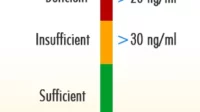
Many evidence-based frameworks consider a 25(OH)D level above deficiency thresholds to be “insufficient,” with a higher bracket aligning better with overall health outcomes. For hair growth and thickness, a commonly used pragmatic target is roughly:
About 30–50 ng/mL (≈ 75–125 nmol/L)
This zone often reflects adequate stores without hovering near levels that may invite unnecessary risk. Some individuals—especially those with baseline deficiency—may temporarily need a higher plan under medical supervision to replenish depleted stores. The strategic idea isn’t to chase a number blindly; it’s to build stability so hair can follow a more predictable growth cadence.
It’s also worth noting that vitamin D responses are individual. Body weight, sun exposure patterns, skin pigmentation, seasonality, and absorption efficiency all influence how quickly serum levels rise and how well they sustain.
Recognizing Vitamin D Deficiency vs. “Hair That’s Stressed”
Not every shedding phase is vitamin D related. Hair is a chronic responder: it reflects internal conditions with a delay. A vitamin D shortfall may contribute, but other elements can mimic similar symptoms—iron insufficiency, thyroid imbalance, telogen effluvium triggered by stress or illness, or androgen-related patterning. Still, vitamin D deficiency often co-travels with symptoms such as fatigue, bone discomfort, or frequent susceptibility to certain illnesses.
Consider deficiency a plausible contributor if:
- Serum 25(OH)D is low on recent testing
- Shedding is persistent and not clearly explained by a recent trigger
- Hair texture feels brittle, thin, or “stringy” rather than resilient
- Seasonal worsening aligns with reduced sunlight
Think of vitamin D as one piece of a biological puzzle. When the puzzle fits, the hair’s behavior changes—sometimes subtly at first, then more noticeably as density stabilizes.
How Supplementation Can Build Toward an Optimal Level
Most people don’t reach a hair-supportive vitamin D status solely through food. Supplementation is the usual lever. Dosing strategies vary, particularly when someone begins deficient. A conservative approach aims to raise 25(OH)D gradually, then maintain a steady level that supports follicle signaling.
For example, clinicians may use higher “repletion” doses for a period, followed by a maintenance plan. The exact amount should be personalized, ideally based on baseline labs and periodic re-testing. Too much vitamin D can be harmful, so supplementation should be treated as a calibration process rather than a guess-and-check experiment.
Also consider absorption. Taking vitamin D with a meal that contains fat can enhance uptake. Consistency matters; irregular dosing can create peaks and troughs that leave hair biology without steady biochemical support.
Vitamin D Forms: D2 vs. D3 and Why Consistency Wins
Vitamin D comes mainly as D2 (ergocalciferol) and D3 (cholecalciferol). Many people use D3 because it is commonly recommended for raising serum 25(OH)D. Either form can help if used correctly, but the practical emphasis is on reliability: the right dose, taken consistently, with a plan to monitor levels.
Look for products that specify the vitamin D amount clearly. Avoid supplement stacks that make the total dose ambiguous. Hair goals are patient goals; your body needs time to translate improved vitamin D status into hair-cycle adjustments.

Timing and Expectations: When Changes in Hair Density May Appear
Hair biology is not instant. The follicle cycle moves on a schedule, and hair strands require time to grow out from the follicular unit. If vitamin D status changes, the visible effects may take weeks to months. Some people notice reduced shedding first; others experience improved thickness feel later as new growth emerges.
A realistic timeline often looks like:
- 4–12 weeks: possible change in shedding pattern
- 3–6 months: emerging new growth and improved perceived density
- 6–12 months: more stable thickness and texture outcomes
Short sentences help here: don’t panic during the first month. Density is a slow-built architecture. Stability is the key theme—consistent vitamin D sufficiency, supported by nutrition and overall health.
Pairing Vitamin D with Other Nutrients That Guard the Hair Cycle
Vitamin D doesn’t work in isolation. Hair thickness is influenced by iron status, zinc, protein adequacy, and certain B vitamins. If vitamin D rises but iron remains low, you may still see thinning because hemoglobin and oxygen delivery affect follicle performance. Zinc helps with keratinization, and protein supplies the building blocks.
Think in synergy: vitamin D can help create a favorable signal environment, while other nutrients provide raw materials. A diet rich in omega-3 sources can also support scalp comfort and reduce inflammatory “background noise.”
For some readers, the most effective strategy is a structured approach: confirm vitamin D status with a lab, correct deficiency, then check whether ferritin, thyroid markers, and metabolic factors also need attention.
Diet and Sunlight: The Dual Path to Healthy Vitamin D Stores
Sunlight remains a powerful driver because it can stimulate vitamin D production in the skin. But season, latitude, skin tone, cloud cover, and sunscreen use can blunt the effect. That variability is why many people need supplementation, particularly during winter months.
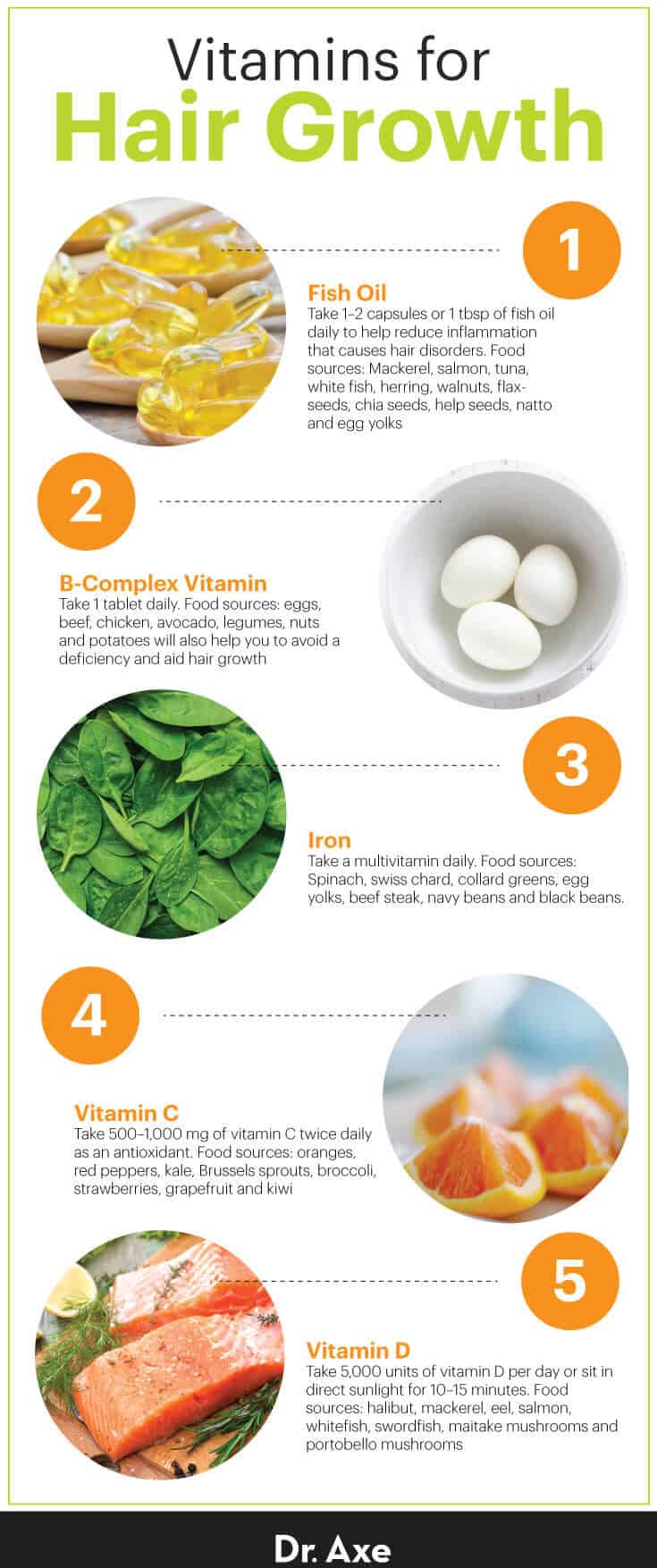
Diet can help, though it rarely delivers robust vitamin D levels alone. Fatty fish, egg yolks, and fortified foods can contribute. Still, the contribution is typically incremental; the body often requires more deliberate correction when levels are truly low.
When you combine diet with supplements and safe sunlight practices, you create redundancy. Redundancy is beneficial—biology tends to respond better to stable supply lines than to one fragile source.
Safety: Avoiding Overcorrection and Maintaining Healthy Monitoring
Vitamin D is fat-soluble, meaning it can accumulate. That’s why monitoring matters. Over-supplementation can raise calcium levels and cause adverse effects. This isn’t a reason to avoid vitamin D—it’s a reason to treat it like an engineered parameter.
Common safety practices include:
- Testing baseline 25(OH)D before major supplementation
- Re-checking after a reasonable interval (often a few months)
- Not stacking multiple vitamin D products unknowingly
- Keeping an eye on related labs when advised
Hair outcomes are best pursued with caution and clarity. Your goal is sufficiency, not excess.
How Readers Can Track Progress Beyond the Mirror
Visual improvement is meaningful, but it’s also subjective. Consider additional indicators such as hair shedding counts, photographs taken under consistent lighting, and the feel of hair density at the crown and part line. Some people track comb-through shedding daily for short windows to see trends rather than reacting to single bad days.
Long sentences can hide the punchline, so here it is plainly: density improves when the follicle cycle becomes more synchronized and resilient. Vitamin D can support that synchronization, especially when deficiency is present.
Conclusion: Building the Hair-Friendly Vitamin D “Sweet Spot”
The optimal vitamin D level for hair growth and thickness is best understood as a practical sufficiency range centered around a reliable serum 25(OH)D target—often approximately 30–50 ng/mL for many individuals. The most effective path usually combines testing, a personalized supplementation plan, and supportive nutrition. Then comes patience: hair is a slow-growing system, and follicle biology doesn’t rush because your calendar wants it to.
If vitamin D deficiency is present, correcting it can be a quiet turning point. Hair can become thicker not because you changed a single habit overnight, but because you restored biochemical coherence—one that allows follicles to grow, renew, and hold onto volume with greater consistency.