Winter arrives like a dimmer switch—less daylight, drier air, and a curious sense of the body tightening its routines. Yet beneath the chill is a quieter story unfolding inside: vitamin D, a nutrient that behaves less like a simple vitamin and more like a kind of seasonal “signal beacon.” When you enter the colder months with an optimal vitamin D blood level, you’re not merely ticking off a health checkbox. You’re preparing an internal ecosystem to handle the long corridor of winter with steadier resilience.
Why “Optimal” Matters More Than “Normal”
It’s tempting to think that if a lab result lands in the broad “normal” range, everything is automatically fine. But winter doesn’t live in averages. It lives in thresholds—subtle tipping points where immunity, mood, muscle function, and inflammation can drift off course. “Optimal” vitamin D levels suggest a fuller buffer: the kind of margin that helps your systems respond rather than merely endure.
In metaphorical terms, normal is a paved road; optimal is a well-lit bridge. Both get you across, but one guides you safely through fog. Vitamin D supports calcium absorption, influences immune signaling, and participates in cellular communication pathways. When levels are adequate for you—not just adequate on paper—your body is more likely to maintain equilibrium as daylight fades.
Consider winter as a long rehearsal for spring. Vitamin D is part of the choreography: not flashy, but foundational. When it’s lacking, you may notice the performance feels flatter—less energy, more susceptibility to illness, slower recovery, or increased musculoskeletal aches.
The Target Blood Level: A Practical Winter Goal
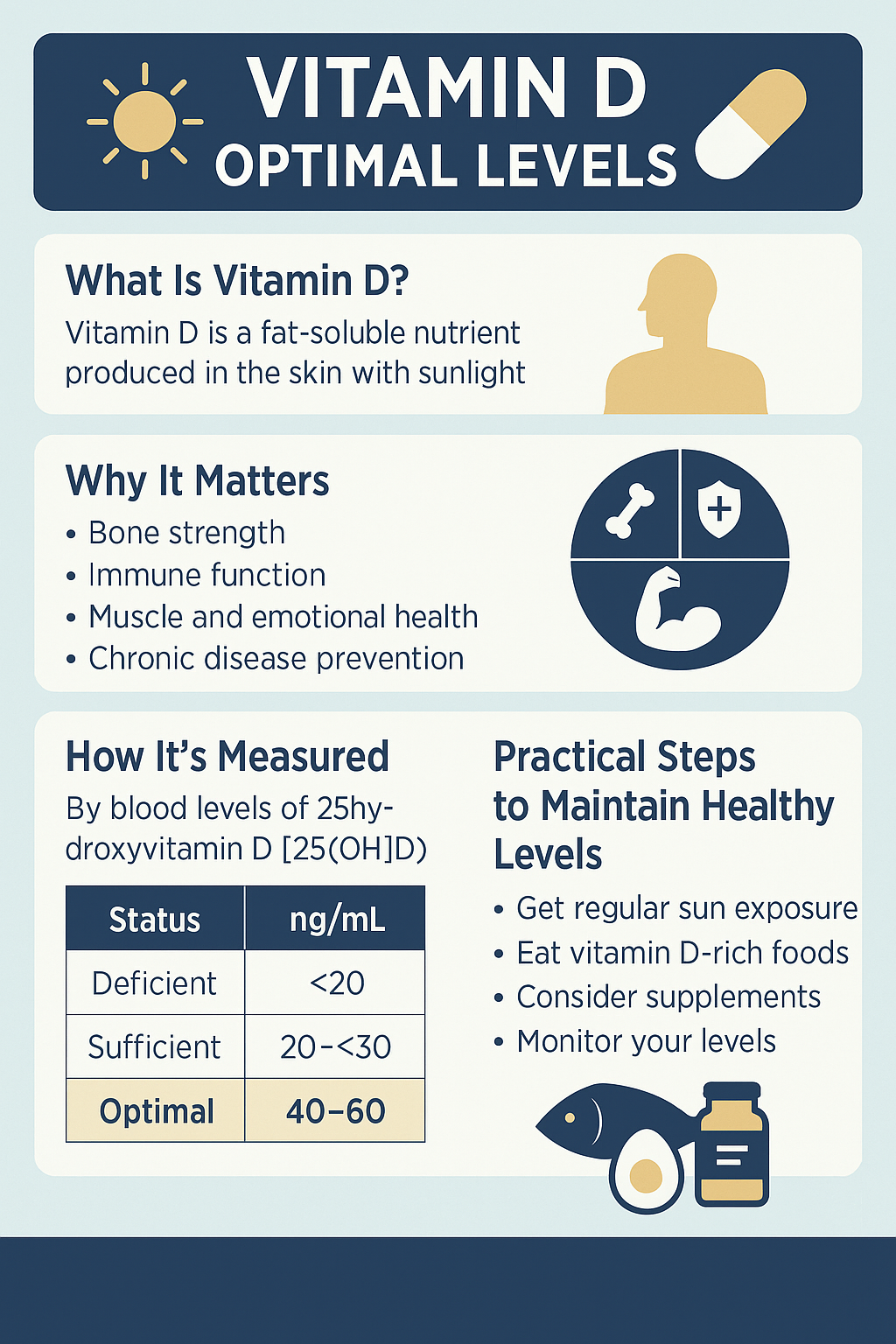
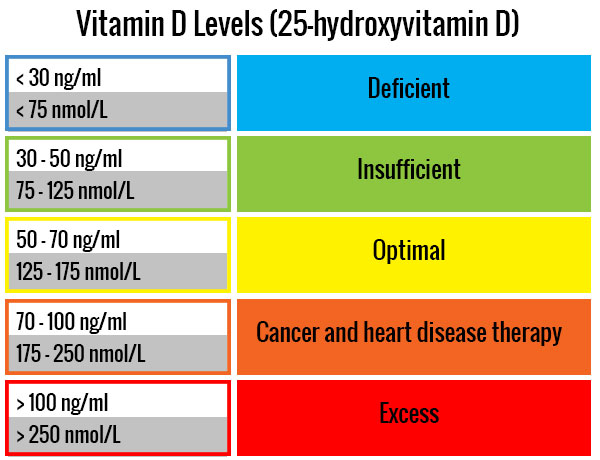
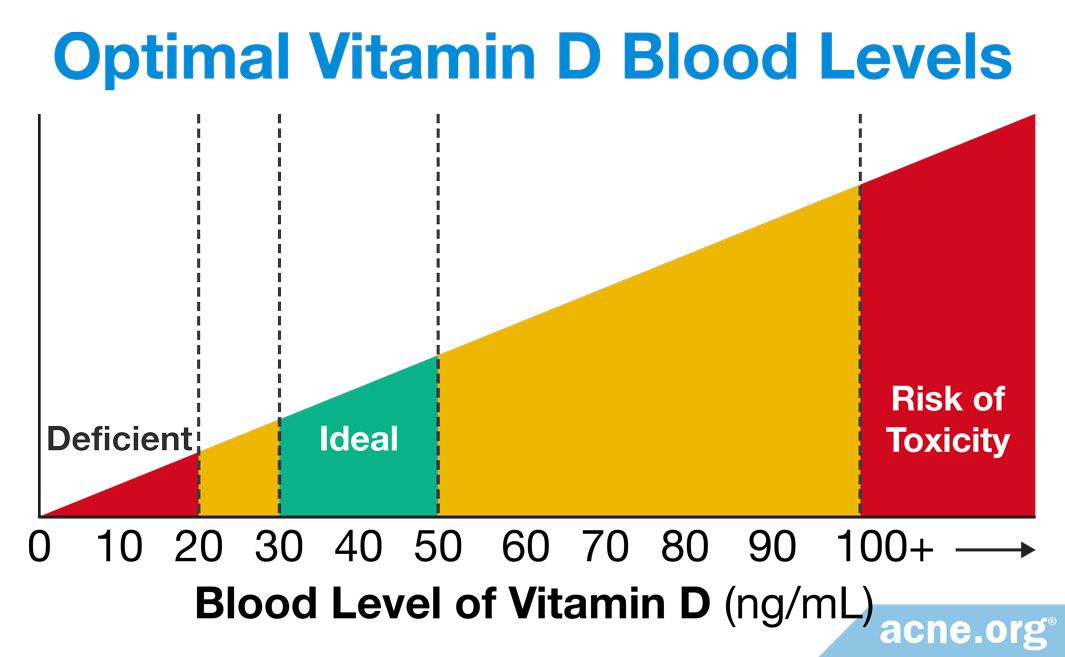
To enter winter with confidence, many health-minded people aim for a vitamin D blood level that sits firmly in the optimal zone rather than the lowest edge of “normal.” While lab reference ranges can vary, a common practical target is a 25-hydroxyvitamin D level around 30–50 ng/mL (or 75–125 nmol/L). Some individuals, especially those with limited sun exposure, darker skin, higher body fat percentages, malabsorption risks, or certain chronic conditions, may require careful personalization to reach and maintain that comfort band.
Think of 25-hydroxyvitamin D as a reservoir meter. It reflects your stored vitamin D status—what your body can draw upon when sunlight dwindles. In winter, you can’t count on solar replenishment. So the question becomes: do you have enough reserves to last the season?
If you’re unsure where you currently stand, checking your blood level before cold weather peaks can be a smart way to prevent guesswork. It’s like surveying the pantry before guests arrive.
How Your Body “Spends” Vitamin D During Winter
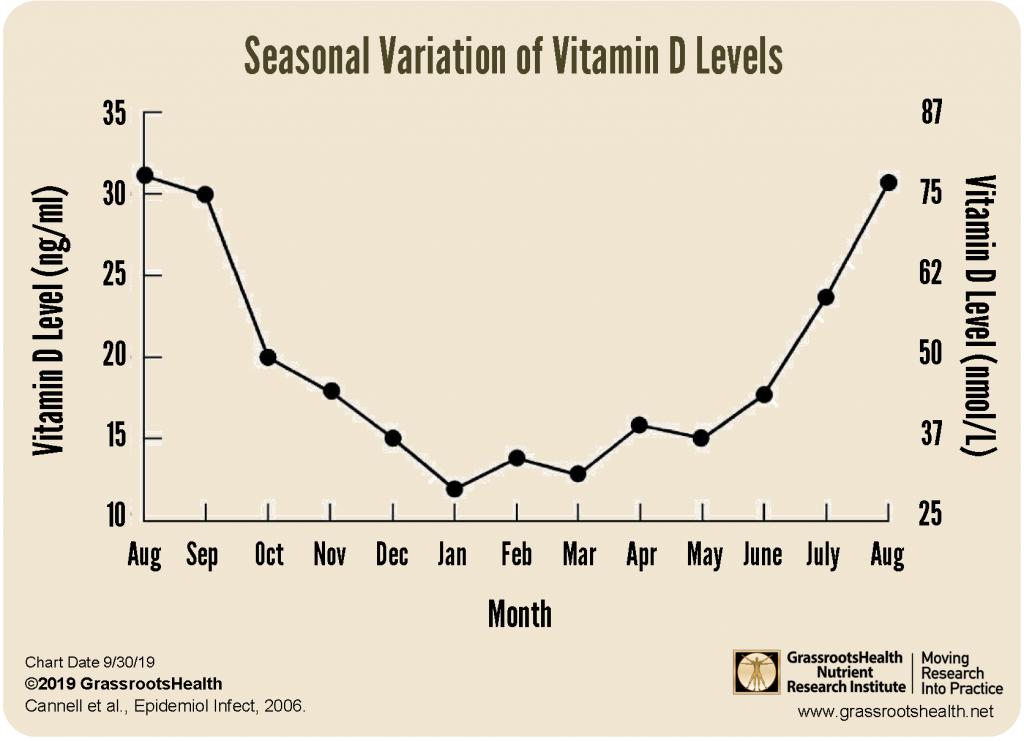
Vitamin D isn’t consumed instantly like a quick snack. It’s stored, mobilized, and used in a steady rhythm. But winter changes the accounting. With fewer UVB hours, skin synthesis slows dramatically. That means your body becomes increasingly dependent on what you already have.
Imagine vitamin D as winter fuel in a quiet, insulated tank. If the tank is half-full, you may feel the strain sooner—fatigue that creeps in, aches that linger, or a seasonal dip in mood. If it’s near full, the tank keeps the engine smooth even when the roads get long.
During the colder months, other factors can further influence vitamin D status: diet quality, gut health, medication effects, kidney or liver function, and physical activity patterns. Even clothing and latitude matter. The body is thoughtful and stubborn—if vitamin D isn’t coming in, it can only do so much with internal reserves.
More Than Immunity: The Hidden Jobs Vitamin D Performs
Vitamin D is often discussed through the lens of immunity, but its influence stretches further, like threads woven into multiple corners of the same tapestry. Calcium absorption helps maintain bone mineral density. Muscle function can also be affected; when vitamin D status is low, strength and coordination may feel less reliable.
Winter is when minor problems can feel louder—stiffness after sitting too long, a tendency to “catch” illnesses, slower recovery, or a muted sense of joy. Vitamin D doesn’t manufacture happiness, but it can help support the biological conditions that allow your mood regulation systems to function efficiently.
There’s also an inflammatory dimension. Vitamin D helps modulate immune responses, guiding them away from overreaction. The goal is not to silence immunity; it’s to keep the immune thermostat balanced, so winter doesn’t turn every minor trigger into a dramatic event.
Metaphor: Daylight Is the Blueprint, Vitamin D Is the Built Form
Daylight writes the blueprint—UVB energy prompts vitamin D synthesis in the skin. But your blood level represents the built form that remains after the daylight disappears. When you enter winter with optimal levels, you’re essentially carrying a condensed memory of summer.
That memory matters because winter is not simply “less sun.” It’s also more indoor time, less movement outdoors, and changes in the way we breathe, eat, and sleep. Vitamin D helps bridge these shifts. It’s the body’s way of keeping certain biological “construction projects” underway even when the external scaffolding is gone.
How to Get There: Testing, Timing, and Reasonable Supplement Strategy
To reach an optimal winter level, begin with data. A blood test for 25-hydroxyvitamin D gives clarity about your starting point. Then you can adjust intake thoughtfully—preferably with guidance from a clinician, especially if you have kidney disease, a history of kidney stones, sarcoidosis, or other conditions affecting calcium balance.
Timing is important. Waiting until mid-winter can mean you miss the ramp-up window. Many people benefit from checking levels in late summer or early fall, when changes can still accumulate before the darkest weeks arrive.
Supplementation can be an effective bridge, particularly where sun exposure is limited. Yet it’s not a one-size-fits-all formula. Dose and duration should align with your current blood level, baseline risk factors, and whether you’re aiming for maintenance or correction after a deficiency.
Food, Sunlight, and the Comfort of Combined Approaches
Vitamin D can come from sunlight, diet, and supplements, and synergy often works better than any single lever. Fatty fish, fortified dairy or plant alternatives, egg yolk, and some fortified cereals can contribute. But food alone frequently struggles to meet higher seasonal needs.
Sunlight is effective, but it’s unpredictable. Latitude, cloud cover, skin pigmentation, time of day, and sunscreen use all change the dose you actually receive. Think of sunlight as a “seasonal variable wage.” Supplements are the steady paycheck that keeps your plan from collapsing when conditions fluctuate.
When you combine strategies—diet plus safe sun when available plus targeted supplementation if necessary—you create a more reliable vitamin D lifecycle. Winter then becomes less of a gamble and more of a plan.
Recognizing Signs You May Be Under-Loaded
Vitamin D deficiency can be quiet. Still, patterns often emerge: persistent fatigue, increased frequency of aches or muscle weakness, slower recovery after workouts, or a general sense that seasonal illness is “easier to catch.” Mood shifts can also be part of the picture—winter can dim the mind, but biology can contribute to the darkness.
These symptoms aren’t specific to vitamin D, and other causes may be involved. But if these winter trends feel familiar, checking your level can help replace uncertainty with a grounded next step.
Safety Considerations: Staying in the Sweet Spot
Chasing an optimal level is wise; chasing excess is not. Vitamin D is fat-soluble, which means it can accumulate if supplementation is too aggressive or prolonged without monitoring. High intakes can disturb calcium regulation, potentially leading to complications such as hypercalcemia or kidney concerns.
That’s why testing and periodic reassessment matter. An optimal plan aims for steadiness, not maximalism. In winter, the goal is a controlled climate inside your body—warm, stable, and untroubled.
Winter-Ready Checklist: Enter Cold Months With Confidence
Approach winter like a thoughtful architect: measure where you are, build toward a target, and maintain with restraint. Consider these steps:
1) Test 25-hydroxyvitamin D ahead of peak winter.
2) Aim for an optimal range—commonly around 30–50 ng/mL (75–125 nmol/L), personalized as needed.
3) Use a blended strategy: diet, safe sunlight when feasible, and supplementation to close gaps.
4) Recheck if you’re correcting a low level or if symptoms persist.
5) Prioritize safety with appropriate monitoring, especially if risk factors apply.
Winter can be demanding, but it doesn’t have to be destabilizing. When your vitamin D status is well-prepared, you’re not just enduring the season—you’re meeting it with an internal advantage, like carrying a small lantern in the pocket of the cold.