Low vitamin D is often discussed as a quiet, almost invisible deficiency—something you might associate with bones, fatigue, or “just getting sick more often.” Yet growing evidence suggests that vitamin D also intersects with respiratory health in a more direct way. Pneumonia, a condition that can escalate from a stubborn cough to respiratory distress, appears sensitive to the immune choreography vitamin D helps orchestrate. Understanding this link is not about chasing trends. It’s about grasping a biologic plausibility that spans seasons, skin exposure, early childhood vulnerability, and the innate immune response’s ability to respond at speed.
Vitamin D: More Than a Bone Nutrient
Vitamin D is widely recognized for supporting calcium absorption and maintaining skeletal integrity. But in the lungs and the broader immune system, it behaves less like a passive nutrient and more like a regulatory signal. Cells involved in defense—especially those participating in the innate immune response—use vitamin D–dependent pathways to tune their behavior. The result is a more responsive, better-calibrated line of defense when pathogens arrive.
When vitamin D stores run low, this signaling can become blunted. That blunting may reduce the efficiency with which respiratory tissues respond to bacterial or viral threats. It’s not that vitamin D “prevents infection” in a simplistic sense. Instead, it can influence the body’s readiness to contain, neutralize, and clear invading organisms before inflammation spirals.
The Immune Connection: Innate Defense and Antimicrobial Readiness
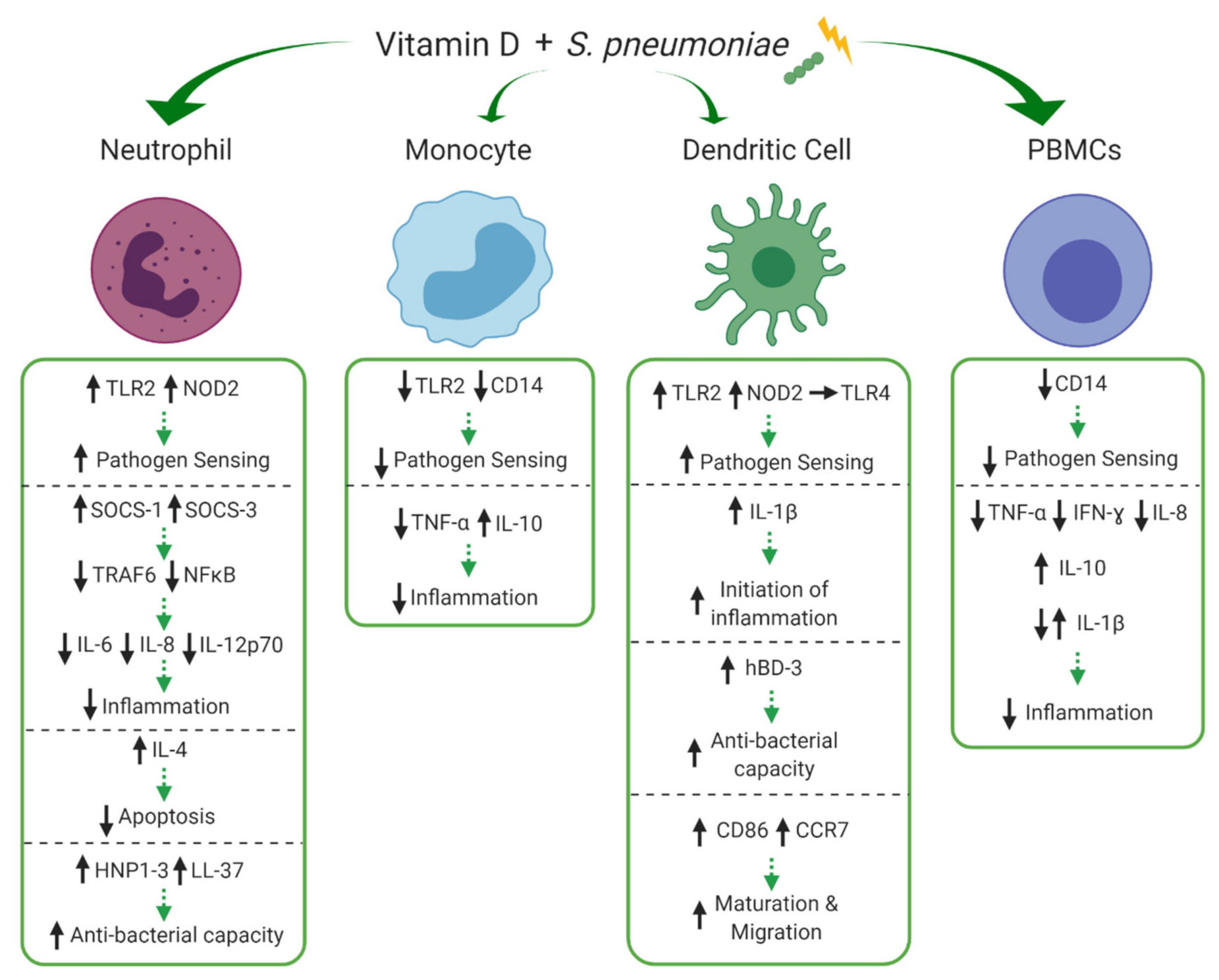
To appreciate why pneumonia risk could rise with low vitamin D, it helps to consider what happens during the earliest moments of infection. The innate immune system is the first responder—fast, broadly targeted, and capable of initiating antimicrobial actions even before the adaptive immune system fully mobilizes.
Vitamin D participates in this early defense by supporting processes that encourage antimicrobial activity. In practical terms, it can help certain immune pathways generate or regulate molecules that neutralize microbes. It can also influence how inflammation is staged. Too little defense can allow pathogens to gain a foothold; too much inflammation can damage lung tissue. Vitamin D seems to contribute to a balancing act—supporting adequate response without unnecessary collateral injury.
From Vitamin D Deficiency to Pneumonia: A Plausible Pathway
Pneumonia is not one uniform disease; it’s an outcome of infection plus host response. Vitamin D’s role fits within both components: susceptibility to colonization and the quality of immune response after infection begins.
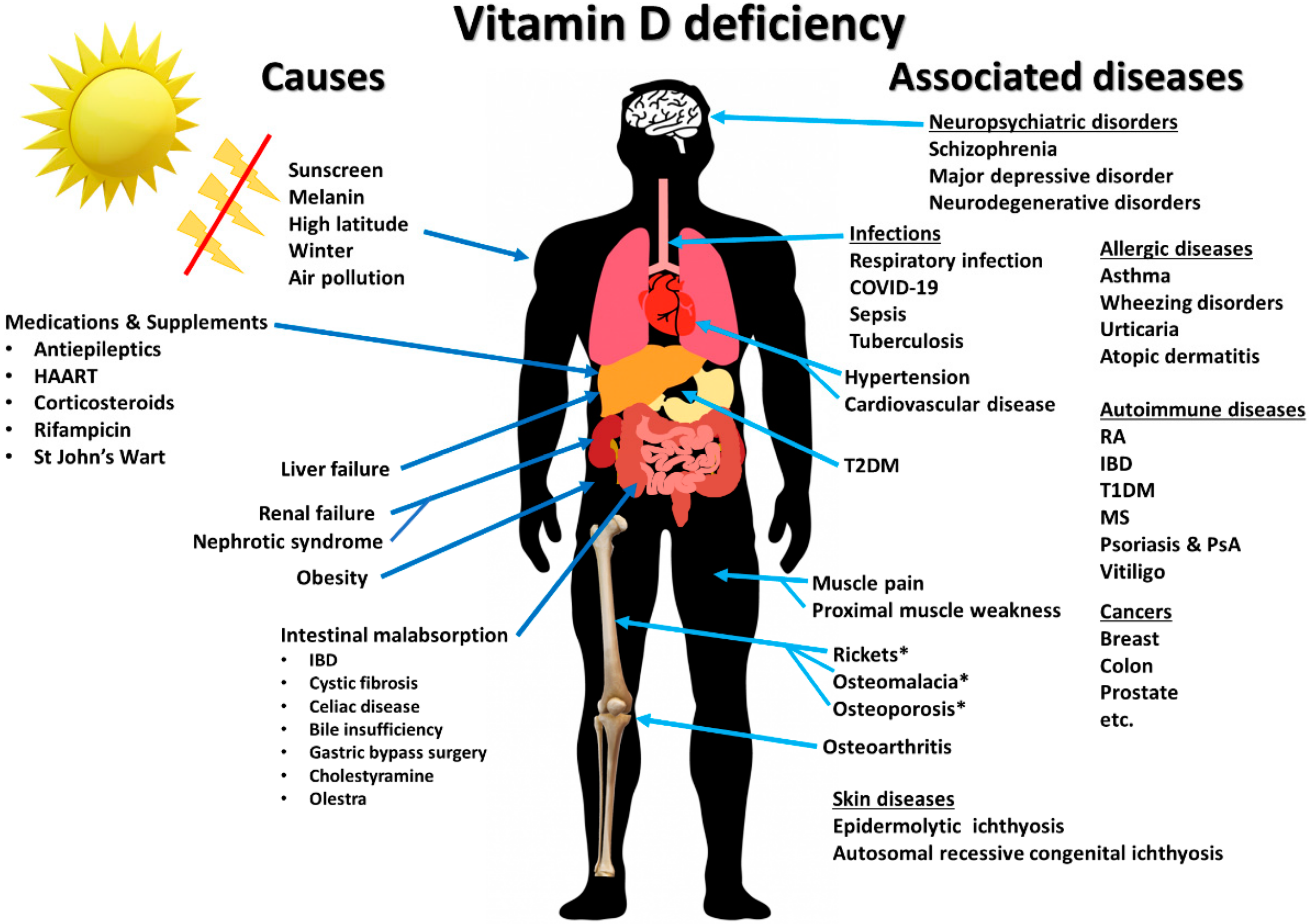
Low vitamin D levels are more common when sunlight exposure is limited, dietary intake is inconsistent, or absorption is impaired. In those settings, respiratory tissues may have fewer “immunologic advantages.” In other words, the lungs may become less efficient at keeping potential pathogens under control. Once infection is established, the severity and persistence of symptoms may also be influenced by how well the immune system contains the invasion and resolves inflammation.
Short-term illness does not always become pneumonia. But if the early immune phase is less effective, the probability of progression can rise.
Who Is Most Affected: Age, Geography, and Daily Habits
Low vitamin D status does not distribute evenly across populations. Children, older adults, people living at higher latitudes, and individuals with darker skin tones may be at greater risk of deficiency—particularly during months when sunlight is weak. Indoor lifestyles add another layer. The modern routine—long hours indoors, sunscreen use that can reduce vitamin D synthesis, and limited fortified food intake—can leave vitamin D stores chronically underfilled.
Early childhood is especially noteworthy because infants and toddlers have developing immune systems. Their defenses are robust in some ways, but they also face unique vulnerability when respiratory infections circulate. Vitamin D deficiency during this developmental window may influence how the immune system “learns” to respond quickly.
It’s also worth noting that pneumonia risk is influenced by more than vitamin D alone: tobacco exposure, crowded living conditions, nutritional status, and access to healthcare all matter. Still, vitamin D can be viewed as one modifiable factor that shifts baseline immune readiness.
Seasonality: Why Winters Can Feel Like a Different World
Season appears to act like a spotlight on vitamin D levels and respiratory infections. During colder months, sunlight exposure decreases and people often spend more time indoors. This combination can reduce vitamin D synthesis while respiratory pathogens—often aided by indoor crowding and dry air—spread more readily.
The result is a convergence: lower vitamin D status meets increased circulation of viruses and bacteria. When those forces align, pneumonia rates may climb. Even if vitamin D is not the sole driver, its absence can make the immune landscape less forgiving.
For many households, winter becomes a time of vigilance: hand hygiene, ventilation, and staying alert to early symptoms. Vitamin D enters this picture as part of a broader prevention strategy—one that supports immune function when conditions are least favorable.
Pneumonia Isn’t One Entity: Community-Acquired vs. Other Contexts
Pneumonia can be acquired in different settings, and risk factors can vary. Community-acquired pneumonia often reflects common infections encountered outside hospitals. Factors like vitamin D status, general nutrition, and underlying chronic conditions can influence how readily the immune system handles typical respiratory threats.
In some populations, pneumonia risk is heightened by comorbidities such as asthma, chronic lung disease, or immunosuppression. Vitamin D may still play a role by supporting innate immune pathways and modulating inflammatory signaling. However, it’s important to avoid oversimplification. The clinical reality is multifactorial, and vitamin D is best understood as one adjustable variable among many.
When readers think about prevention, the most useful mindset is synergy: optimizing vitamin D alongside vaccination, nutrition, breastfeeding when possible, and prompt care for warning signs.
What Benefits Can Look Like: Incidence, Severity, and Recovery
The practical question isn’t only whether vitamin D affects the body. It’s whether that effect translates into fewer pneumonia episodes, less severe disease, or smoother recovery. Studies have explored incidence outcomes and found associations consistent with a protective direction—especially in groups where deficiency is more common.
Importantly, benefit may not be uniform. People who are severely deficient might experience more noticeable changes than those with adequate levels. Timing matters too: supplementation that corrects deficiency can provide immune support during subsequent periods of exposure.
Even when pneumonia prevention is not absolute, vitamin D may reduce the likelihood of progression from upper respiratory infection to lower respiratory disease. Recovery might also be influenced indirectly through more effective early immune control.
61650-4/asset/0d12fc16-d15d-4d28-bd89-cf710224aa8f/main.assets/gr2_lrg.jpg)
Supplementation: Practical Approaches and Sensible Caution
For many readers, the next step is obvious: should vitamin D be supplemented? The answer is often “it depends,” and that “depends” is not evasive—it’s responsible. Ideally, vitamin D decisions reflect baseline status, age, risk factors, and clinical context. Measurement of 25(OH)D can clarify whether deficiency is present and how aggressively to correct it.
Supplementation protocols often include a “repletion” phase to restore stores and a “maintenance” phase to prevent recurrence. Dosing strategies vary by country, medical guidance, and individual needs. Some people prefer conservative daily dosing; others use intermittent higher-dose regimens. The safest approach aligns with professional recommendations, especially for infants, people with kidney disease, or those taking medications that affect calcium balance.
There is also a cautionary note. Vitamin D is fat-soluble; excessive intake can lead to hypercalcemia and associated complications. That risk is uncommon under appropriate guidance, but it underscores why supplementation should not be treated as an endless, casual habit.
Diet, Sunlight, and Lifestyle: Three Levers, One Goal
While supplements can correct deficiency efficiently, lifestyle levers remain important. Sunlight exposure contributes to vitamin D synthesis in the skin. Yet practical realities—latitude, season, skin pigmentation, clothing coverage, and sunscreen use—determine how much vitamin D the body can produce.
Dietary sources include fortified dairy products, fortified plant milks, egg yolk, fatty fish, and certain fortified cereals. Diet alone can be challenging to optimize consistently, especially for children with picky eating habits. That’s where targeted fortification and supplementation may complement one another.
Readers can expect content that connects these dots: practical meal ideas, seasonal planning, and reminders that indoor time is not “bad,” but it changes vitamin D economics. A balanced plan respects skin cancer prevention while acknowledging immune needs.
Imagination Meets Evidence: What Readers Should Expect Next
When exploring the link between low vitamin D and pneumonia risk, it helps to know what kinds of content tend to be most useful. Expect sections that explain immune mechanisms in accessible language. Expect comparisons across age groups and risk profiles. Expect discussion of seasons and exposure patterns. And expect careful distinctions between correlation and causation, because pneumonia is complex and can’t be reduced to a single nutrient.
You may also encounter educational summaries on recognizing pneumonia symptoms early—fever, fast breathing, chest indrawing, lethargy, and worsening cough. These materials often pair medical red flags with prevention frameworks: vaccinations, nutrition, and adequate vitamin D status.
In other words, good content doesn’t just explain. It equips. It helps readers decide what to ask their clinicians, how to plan seasonal behavior, and how to prioritize preventive routines without panic.
Action Steps: Turning Knowledge Into Prevention
Prevention works best when it is layered. A reader’s action plan might begin with identifying risk: limited sunlight, darker skin with reduced synthesis, dietary insufficiency, recurrent respiratory infections, or specific comorbidities. From there, consider a vitamin D assessment through healthcare guidance, especially for infants and children.
Next, align with broader respiratory safety habits. Keep vaccinations current. Ensure ventilation in indoor spaces. Encourage hand hygiene. Support adequate nutrition, including protein and micronutrients beyond vitamin D. Then, treat symptoms seriously—pneumonia can progress quickly, and timely medical evaluation improves outcomes.
Vitamin D can be one strategic piece of a much larger puzzle. When it is optimized, the immune system may respond with greater clarity and speed—qualities that can help keep pneumonia risk from rising when conditions turn challenging.