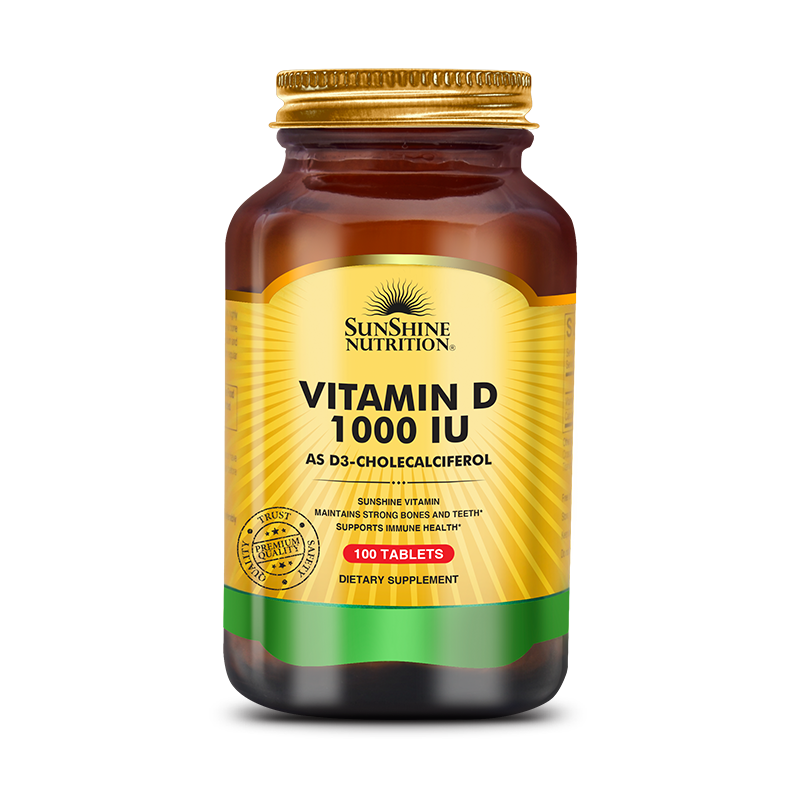
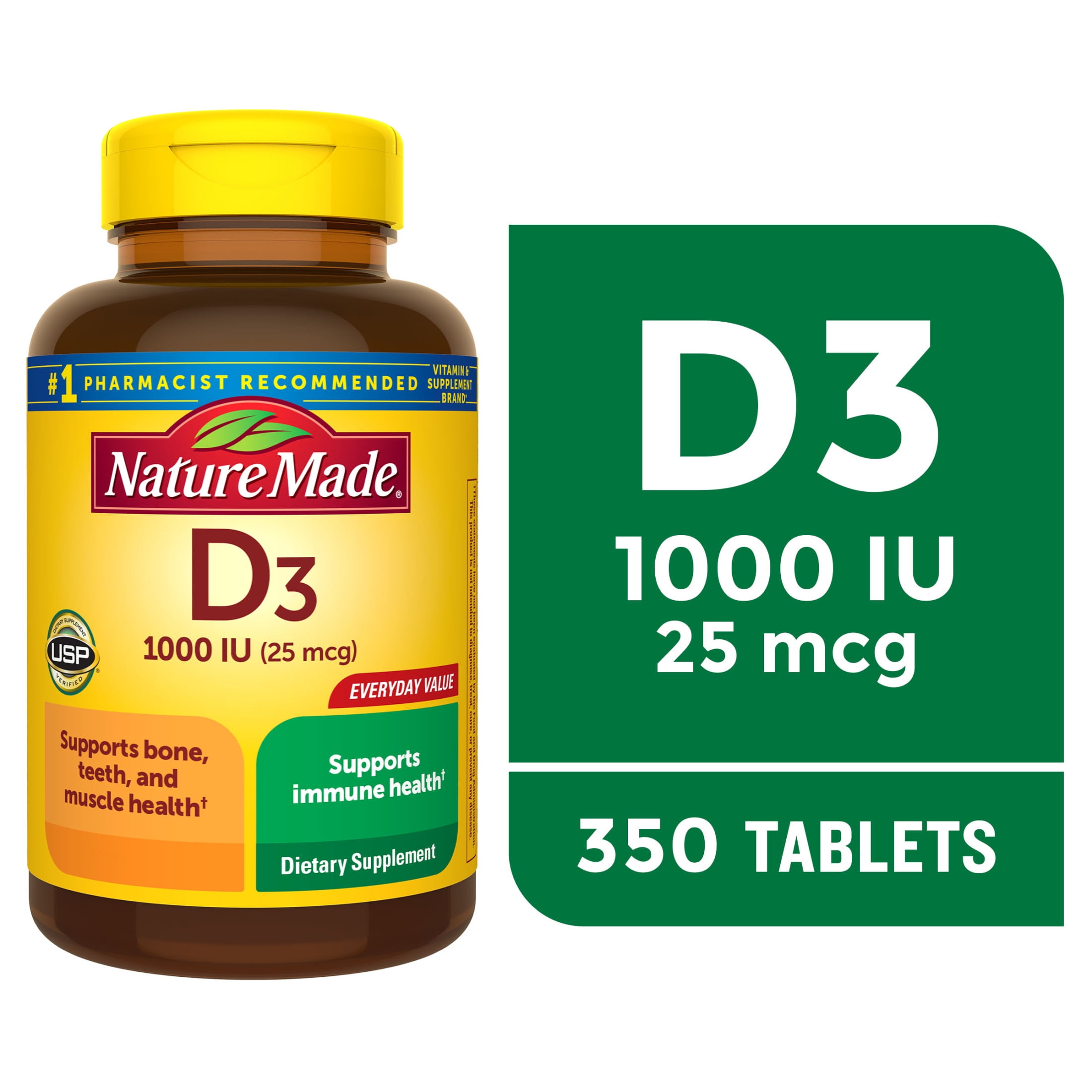
Walk into any pharmacy and you’ll see it: a bottle of vitamin D, often marketed as “essential,” “supportive,” and—most memorably—measured in units so familiar they’ve become almost conversational. “I take 1000 IU,” someone might say, as if the number itself were a talisman. For many Americans, 1000 IU of vitamin D daily feels like the default setting. But is it genuinely enough? The answer isn’t a simple yes or no. It’s a story shaped by biology, geography, lifestyle, and the curious human habit of reaching for a single number to tame a complicated system.
Why 1000 IU Became the Everyday Benchmark
In the United States, 1000 IU has earned its reputation as a middle ground—neither timid nor aggressive. It’s the kind of dose that fits easily into routine supplementation, often paired with the idea that “more is always better,” even when science prefers nuance. The fascination is understandable. People want predictability. They want a daily action that corresponds to a daily outcome. And vitamin D, being measurable yet somewhat elusive, invites that kind of optimism.
Still, vitamin D isn’t merely “in” the body. It’s processed. It begins as sunlight-derived or dietary precursors and becomes active through a chain of metabolic steps—each step influenced by age, liver and kidney function, body composition, and even how consistently someone spends time outdoors.
What “Enough” Really Means: The Blood Test Behind the Question
The most practical way to talk about sufficiency is through 25-hydroxyvitamin D—often abbreviated as 25(OH)D. This is the circulating form that reflects recent vitamin D status. When people wonder whether 1000 IU is enough, they’re often asking: “Will my blood level reach the range associated with good bone and immune support?”
Here’s the deeper reason the conversation persists: vitamin D is not one-size-fits-all. Two people can take the same dose and end up with different blood concentrations. One person absorbs it efficiently and maintains steady levels. Another person—perhaps due to limited sun exposure, heavier body weight, or inconsistent intake—may not rise as much. So, 1000 IU can be “enough” for one individual and “not quite” for another.
Sunlight Isn’t Just Weather—It’s a Supply Chain
Vitamin D synthesis in the skin depends on more than simply being outside. Latitude matters. Seasonal timing matters. Cloud cover and air pollution matter. Even sunscreen, which many people use diligently for skin cancer prevention, can reduce vitamin D production.
In winter months, especially at higher latitudes, the body’s ability to manufacture vitamin D from sunlight can drop sharply. That’s when supplementation often becomes less of a preference and more of a compensatory strategy. Yet even during “sunny” seasons, modern routines—indoor work, urban living, driving, and reduced incidental exposure—can quietly erode baseline production.
1000 IU, therefore, may function as a pragmatic buffer, but the question remains: how far does it reach given your specific exposure pattern?
Age, Skin, and Absorption: The Biological Fine Print
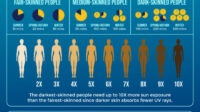
As people age, the skin’s capacity to synthesize vitamin D declines. This is one reason older adults frequently show lower vitamin D status despite similar lifestyles. Additionally, skin pigmentation affects synthesis efficiency. Darker skin contains more melanin, which can reduce the amount of vitamin D produced when exposed to UVB radiation.
Absorption and metabolism also influence outcomes. Vitamin D is fat-soluble, meaning dietary fat and overall gut health can affect uptake. Conditions involving malabsorption—whether due to certain gastrointestinal disorders or bariatric procedures—can make standard doses less effective. Some individuals may also metabolize vitamin D differently due to medication patterns or underlying health factors.
So, 1000 IU might be a gentle nudge for one person and a modest step for another. The body’s “economy” varies.
Body Weight and Vitamin D’s Elusive Distribution
Body weight is an oft-overlooked variable. Vitamin D can become sequestered in adipose tissue, which can lower the amount available in circulation. In practical terms, higher body fat may require higher dosing to achieve the same blood concentration.
This is where the common observation becomes misleading: “My friend takes 1000 IU and it worked for them.” That can be true and still not generalize. The fascination with 1000 IU sometimes stems from the comfort of anecdotes—stories that feel personal and convincing. Yet vitamin D status is a systems problem. It’s chemistry, physiology, and behavior—interacting like a choreography rather than following a single instruction.
Bone, Muscles, and the Threshold Question
Vitamin D’s reputation is grounded in bone health—supporting calcium absorption and contributing to skeletal integrity. People also associate vitamin D with muscle function, and research has linked low vitamin D status to muscle weakness and higher fall risk in older adults.
However, “enough” can depend on the goal. A person might take 1000 IU to support maintenance and maintain a stable range. Another might take it with the aim of correcting deficiency, where larger doses are sometimes used under guidance. If someone starts far below target levels, 1000 IU may not shift the needle quickly enough.
The dose is not only about reaching a number. It’s about reaching it reliably and sustaining it. Vitamin D isn’t a one-time project; it’s a continuous negotiation.
Immune Support: Hope, Hype, and What’s Realistic
Vitamin D is often discussed in immune terms, and it’s reasonable to be curious. Immune cells respond to vitamin D signaling pathways, and observational studies frequently associate low vitamin D status with higher infection risk. Yet immune support is not a guarantee. Supplements are not shields.
So, does 1000 IU help? For many people, it may support immune-related processes by correcting low status. For others, if baseline levels are already adequate, the incremental benefit may be smaller. This is why “enough” is so contextual. The immune system doesn’t operate like a thermostat that instantly follows a supplement’s dosage.
Dietary Sources and the Myth of the “Only Supplement” Approach
Not everyone begins supplementing from zero. Some Americans consume vitamin D through fortified foods such as milk, plant milks, yogurt, and certain cereals. Fatty fish—like salmon and sardines—also provides vitamin D, though typical intake varies widely.
When people take 1000 IU, they may unknowingly stack that dose on top of dietary vitamin D, effectively raising total intake. Conversely, others may have little fortified intake and limited fish consumption, making 1000 IU the main contributor. This changes the outcome even though the tablet looks identical.
The fascination with a standalone dose can ignore this background “nutrient geology.” Your overall intake is layered.
Safety Considerations: Avoid the Temptation to Overcorrect
Vitamin D has an upper limit for safety, and surpassing it unintentionally is a real possibility when people combine supplements. High doses over time can lead to excessive calcium levels, sometimes causing symptoms such as nausea, constipation, and confusion, and—more importantly—can stress the kidneys.
For that reason, 1000 IU is often popular because it’s positioned as a relatively conservative maintenance dose. Still, “conservative” doesn’t mean “universal.” The safest strategy is individualized. If supplementation is routine, a blood test can confirm whether the dose aligns with real status.
So, Is 1000 IU Daily Enough for Most Americans?
For many Americans, 1000 IU daily may be sufficient to support maintenance—especially for people with modest sun exposure, average body weight, and no major malabsorption issues. But “most” is a moving target. Higher-risk groups—older adults, those with limited sunlight, individuals with darker skin, people with obesity, and anyone with malabsorption—may need more than 1000 IU, or a different plan altogether.
The most useful conclusion is not a verdict. It’s a method: take the dose that matches your lifestyle, confirm with a 25(OH)D blood test when possible, and adjust in a measured way rather than by guesswork.
In the end, vitamin D isn’t a single ingredient you sprinkle on life. It’s a dynamic system that responds to environment and physiology. And perhaps that’s why 1000 IU remains so captivating—the number is simple, even when the answer behind it is beautifully complex.