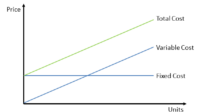
What happens when a quiet biochemical “whisper” becomes a loud economic headache? In the United States, low vitamin D status quietly undermines skeletal integrity, nudging more people toward falls, fractures, and costly downstream care. The result isn’t just medical—it’s financial, administrative, and deeply personal. And here’s the playful troublemaker: despite decades of awareness campaigns, millions still hover at suboptimal vitamin D levels, leaving the healthcare system to pay the bill in crumpled bones, prolonged rehabilitation, and missed workdays.
Low Vitamin D and the Bone-Facture Cascade: A Cost Multiplier
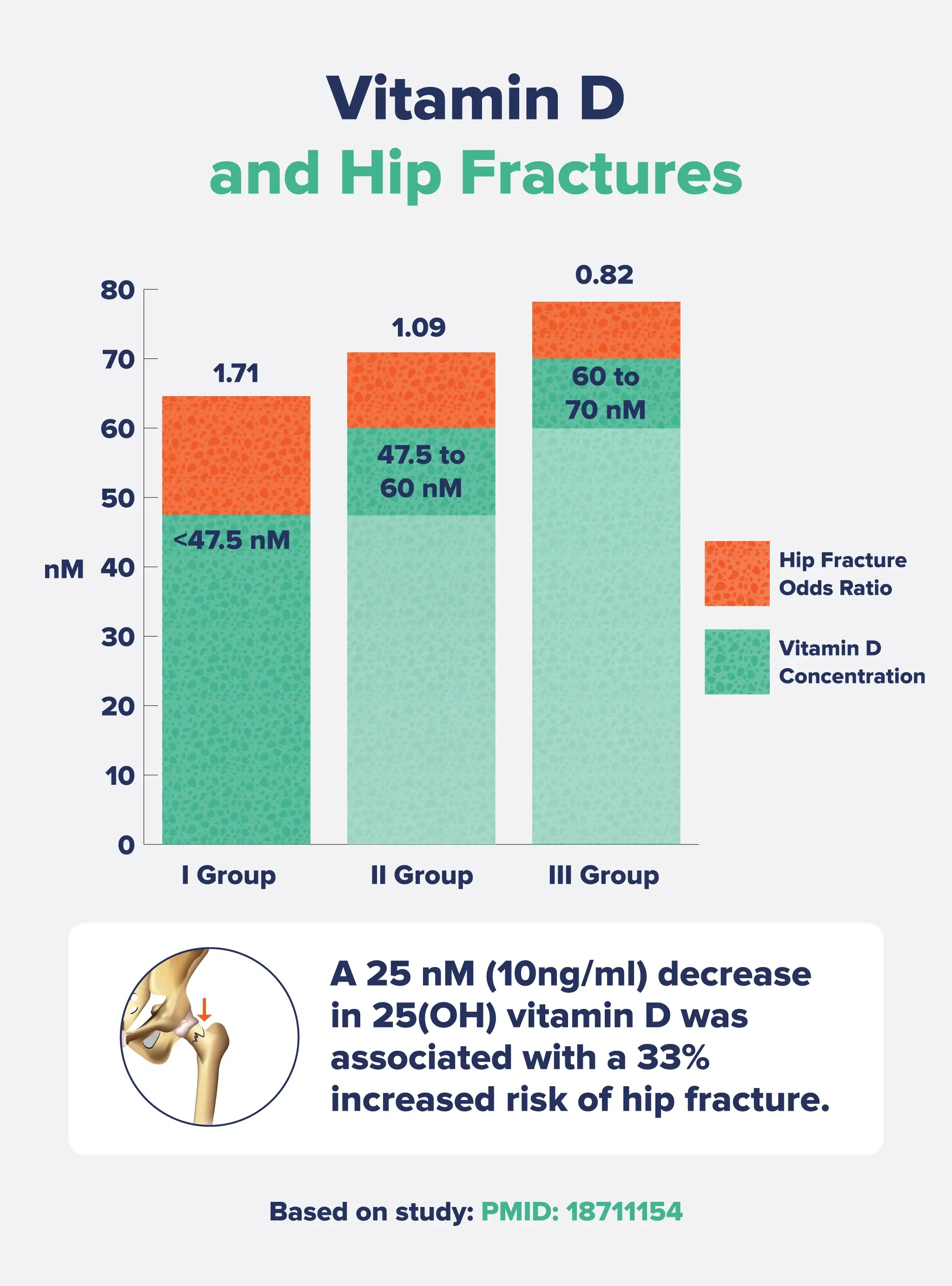
Vitamin D is often framed as a “bone nutrient,” but that label barely scratches the surface. It helps regulate calcium absorption and supports mineralization—the process that turns soft scaffolding into hardened, resilient bone. When vitamin D levels run low, the body compensates, sometimes imperfectly, by pulling on reserves. Over time, this can translate into decreased bone mineral density and impaired muscle function.
Lower muscle performance means slower reaction time and reduced postural stability. That raises the odds of falls. Falls lead to fractures. Fractures lead to a cascade: imaging, orthopedic interventions, pain management, physical therapy, home health needs, and sometimes long-term disability care. Each step costs money; together, they form a compounding interest scheme the system can’t afford.
So the economic burden is not limited to the moment a fracture occurs. It stretches backward and forward—through prevention failures, acute treatment intensity, and the slow rehabilitation period that follows. A fracture doesn’t end at hospital discharge; it continues in bills, caregiving hours, and insurance reimbursements.
The Direct Medical Costs: Hospital Days, Procedures, and Rehabilitation
Let’s zoom in on what the healthcare ledger actually records. When a patient fractures a hip, wrist, spine, or other skeletal site, costs can escalate quickly. Emergency department visits are often the opening act, followed by imaging such as X-rays or CT scans. Then come procedure-related expenses—surgical fixation, replacement surgeries for certain hip fractures, anesthesia services, and post-operative monitoring.
After the acute phase, the cost footprint widens. Physical therapy is a common necessity, sometimes for months. Home health services may be prescribed. Durable medical equipment—walkers, wheelchairs, grab bars, and fracture braces—can become a long-term expenditure. Even medications for pain control and bone health can accumulate.
Low vitamin D can also contribute to delayed recovery. Patients may experience poorer functional outcomes, meaning longer therapy durations and additional follow-up appointments. That’s where the economic burden transforms from a single event into a prolonged financial arc.
Indirect Costs: Lost Work, Caregiving, and the Hidden Price of Time
Medical bills are only half the story. The other half lives in the less visible realm of lost productivity and caregiving. A fracture can turn a working adult’s schedule upside down. Recovery periods may force missed shifts, reduced hours, or early exit from employment—especially for people in physically demanding jobs.
Even when patients return to work, they may do so with restrictions. That can mean fewer responsibilities, lower wages, or the need for workplace accommodations. For families, the economic burden often includes caregiver time—someone taking days off, managing transportation to appointments, and helping with mobility.
And then there’s the “time tax” on health systems: scheduling, care coordination, referrals, and administrative overhead. These processes are not free. They demand personnel hours and system capacity, which indirectly affects other patients competing for services.
Healthcare System Strain: Beds, Clinicians, and Supply Chains
Fracture care is resource-intensive. When low vitamin D status contributes to higher fracture frequency, it amplifies demand across multiple domains. Hospital beds may be occupied longer than planned, particularly when complications occur or when discharge is delayed due to insufficient home support.
Clinicians—orthopedic surgeons, anesthesiologists, radiology teams, physical therapists, and nursing staff—face increased workload. That can contribute to appointment backlogs and longer wait times. Longer waits are more than an inconvenience; they can affect outcomes, especially for older adults who are vulnerable to deterioration during delays.
Supplies and services also get pulled into the vortex: surgical hardware, implants, rehabilitation resources, and sometimes transfer to skilled nursing facilities. In aggregate, these pressures can affect system readiness and cost efficiency.
Regional and Population Disparities: Unequal Risk, Unequal Financial Fallout
Low vitamin D is not distributed evenly. Differences in skin pigmentation, sun exposure, dietary patterns, and geographic latitude can influence vitamin D status. Urban living and indoor work can reduce sunlight exposure. Seasonal shifts can further complicate matters, turning vitamin D levels into a year-round gamble.
When higher-risk groups experience fractures, the economic consequences can be disproportionate. Out-of-pocket costs, gaps in insurance coverage, limited access to outpatient rehabilitation, and transportation barriers can turn recovery into a prolonged burden.
There’s also a compounding effect: comorbid conditions such as diabetes, chronic kidney disease, or osteoporosis risk can intensify vulnerability. Add frailty into the equation, and a single fracture can become a major life event with lasting financial consequences.
Risk Beyond the Calendar: Bone Healing, Muscle Strength, and Fall Probability
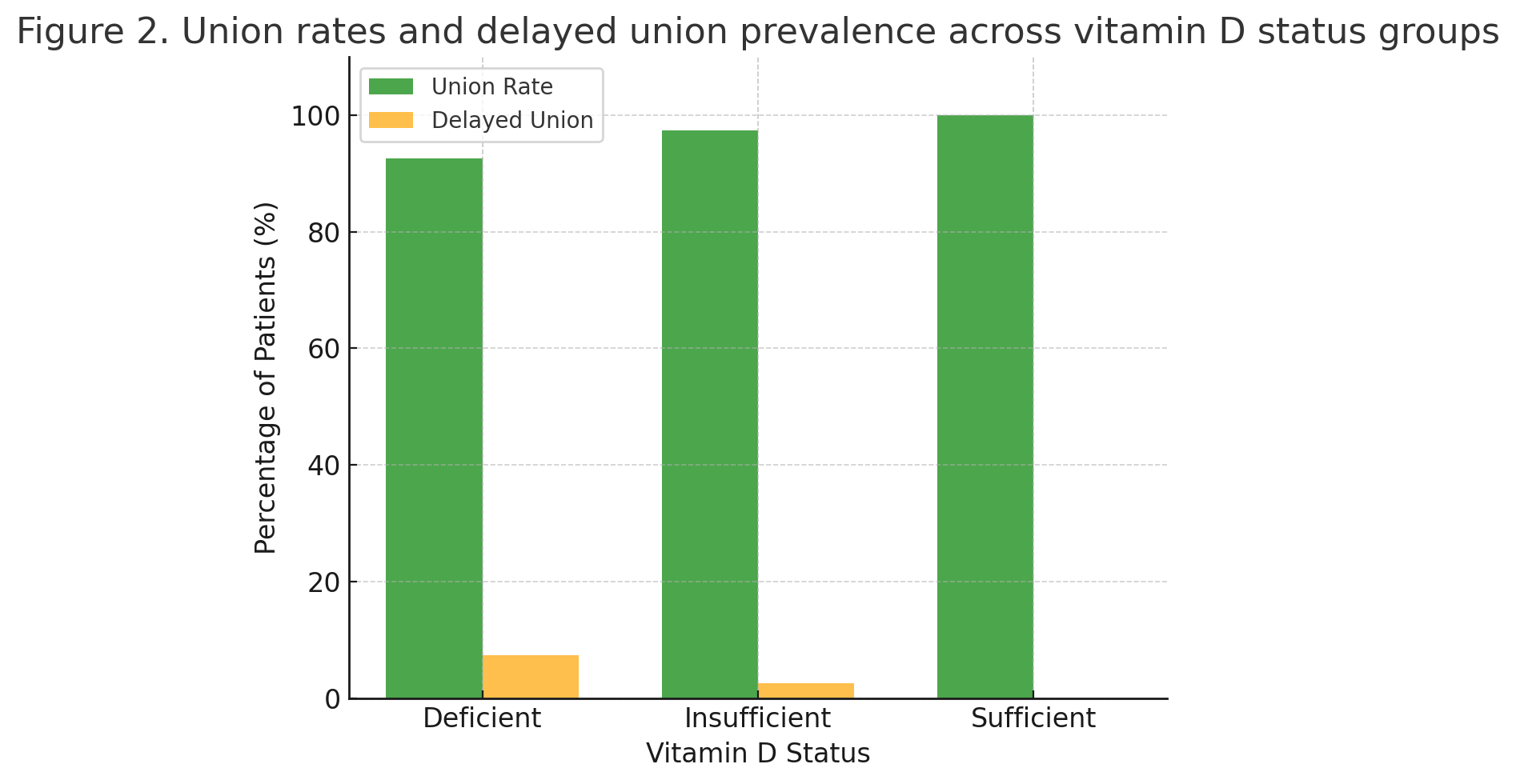
Economic burden often hides inside biological timelines. Healing is not merely a clinical endpoint; it is a cost timeline. Delayed bone union can extend the need for follow-up imaging, repeated clinical visits, and longer therapy sessions. Meanwhile, reduced muscle performance can heighten fall probability during recovery—creating a second wave of injury risk.
Consider the feedback loop: low vitamin D can contribute to frailty and weakness; weakness increases falls; falls increase fractures; fractures reduce mobility and further worsen functional decline. Each new episode carries medical expenses and social costs.
This is why “bone health” shouldn’t be treated as a static metric. It’s a dynamic process, influenced by nutrition, sunlight, adherence to therapy, and underlying health conditions.
What the Numbers Imply: Prevention as an Economic Strategy
The central challenge is that vitamin D deficiency can be relatively modifiable. Yet prevention often competes with other priorities. In busy systems, screening may be inconsistent; supplement adherence may be uneven; and clinicians may rely on variable thresholds for action.
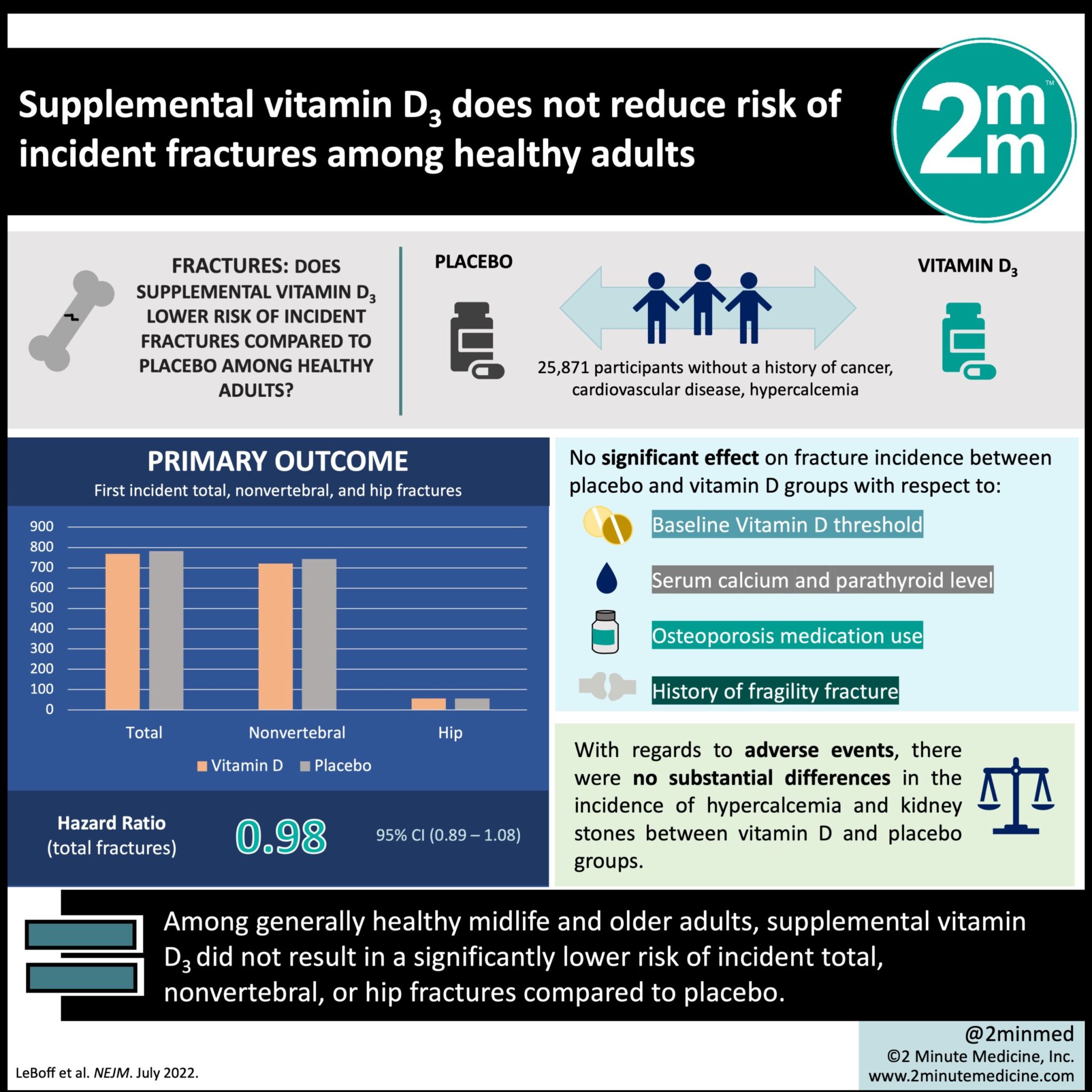
Nevertheless, the economic logic is compelling. If vitamin D support can improve bone mineralization and muscle function, it can help reduce fracture incidence or improve recovery trajectories. Even modest reductions in fractures could translate into major cost savings when applied at scale.
Prevention also reduces the administrative churn that follows fractures—fewer imaging orders, fewer emergency visits, fewer referrals to skilled facilities. It’s a quiet strategy with loud downstream effects.
Policy and Public Health Levers: Screening, Education, and Access
If the economic burden is real, then the response must be structural. Policies could support targeted screening for high-risk groups—older adults, individuals with limited sun exposure, people with malabsorption conditions, and those with known osteoporosis risk.
Education matters too. But education without access can become a hollow chant. People may want supplements yet face cost barriers, limited pharmacy access, or confusing dosing guidance. Public health initiatives can help by clarifying how to improve vitamin D status safely and consistently.
Clinician decision support can also help. When practices have standardized guidance for risk assessment and supplementation, variability drops. That reduces the likelihood of missed opportunities and improves continuity of care.
Facing the Challenge: The Playful Question Behind a Serious Problem
Here’s the playful question that lands with a thud: if low vitamin D can make bones and muscles less cooperative, why do we still treat the resulting fractures as if they were purely random events?
The challenge isn’t just to raise vitamin D awareness. The challenge is to convert awareness into measurable prevention—screening where appropriate, supplement access where needed, and follow-up that respects the realities of adherence. The economic burden of low vitamin D on bone fractures is not inevitable; it’s a preventable drag on healthcare resources and household finances.
Ultimately, investing in bone health is not only a medical decision. It’s a fiscal one. Reducing fractures reduces suffering, and it also shrinks the cost spiral that follows every break.