Imagine a workplace where every sudden absence is a small weather event—storms that arrive without warning, disrupting schedules and dulling momentum. Now imagine a quiet tool that doesn’t shout for attention, yet consistently helps keep the forecast clearer. Vitamin D is often described in the language of bones and sunshine, but its cost-effectiveness story is told best as a spreadsheet with a beating heart: fewer sick days, steadier performance, and a healthier return on investment. When budgets tighten and productivity becomes a daily negotiation, the question shifts from “Is it beneficial?” to “Is it economically wise?”
A metaphorical lens: Vitamin D as the weatherproofing of health
Sick days rarely announce themselves like a calendar reminder. They creep in like fog—small at first, then suddenly you can’t see clearly enough to work. Vitamin D can be thought of as weatherproofing for the immune system: not an umbrella that prevents every raindrop, but a protective coating that reduces the chances your day turns into a soaking surprise. In practical terms, better vitamin D status has been associated with improved immune functioning, which can translate into fewer minor illnesses. Those minor illnesses are often the culprits behind “quick” absences that quietly cost organizations more than anyone wants to admit.
Cost-effectiveness begins where the fog thickens. Instead of only measuring medical expenditures, organizations also measure downtime—the hours that can’t be rescheduled, the knowledge that goes idle, and the cascading friction when coverage fails. Vitamin D enters this narrative as a proactive, relatively low-cost preventive measure that may help reduce the frequency of interruptions.

What “cost-effectiveness” really means in sick-day reduction
Cost-effectiveness is not merely the price of a supplement. It’s the ratio of outcomes to costs, and outcomes in this context are often measured in sick days avoided, shorter illness duration, fewer repeated absences, and improved continuity in staffing. Consider three overlapping ledgers: direct healthcare costs, indirect productivity losses, and replacement labor expenses.
Vitamin D is typically inexpensive, making the “cost side” easy to estimate. The more nuanced part is forecasting the “benefit side.” If supplementation helps reduce respiratory infections or supports immune resilience, even modest reductions in illness frequency can create a meaningful impact. In budgeting terms, this is the difference between paying for events after they occur versus investing in the stability that prevents them from occurring in the first place.
Long sentences sometimes hide short truths: tiny changes compound. Reduced sick days by even a small margin can offset the annual cost of supplementation, especially in teams where coverage gaps are expensive. The math becomes compelling when you include not only the absent worker, but also the disruptions caused to colleagues.
Why vitamin D is uniquely positioned: a simple lever with broad downstream effects
Vitamin D is unusual because it links everyday routines—sleep, outdoor exposure, diet—to immune functioning. Many people experience seasonal dips, and modern lifestyles can further limit sunlight exposure. This creates a potential “silent deficit” environment: individuals may not feel sick enough to seek care, yet their biological scaffolding may be less prepared when infections circulate.
That is where cost-effectiveness shines. A supplement acts like a calibration tool—adjusting a system that might be drifting out of optimal range. Unlike interventions that require complex logistics, vitamin D can be integrated into existing wellness practices: workplace health initiatives, community programs, or personal preventive routines.
There’s also a psychological advantage. When people perceive a clear, manageable action they can take—rather than an abstract promise—they’re more likely to maintain consistency. Consistency is where economic returns become real.
From budget planning to value tracking: measuring outcomes over time
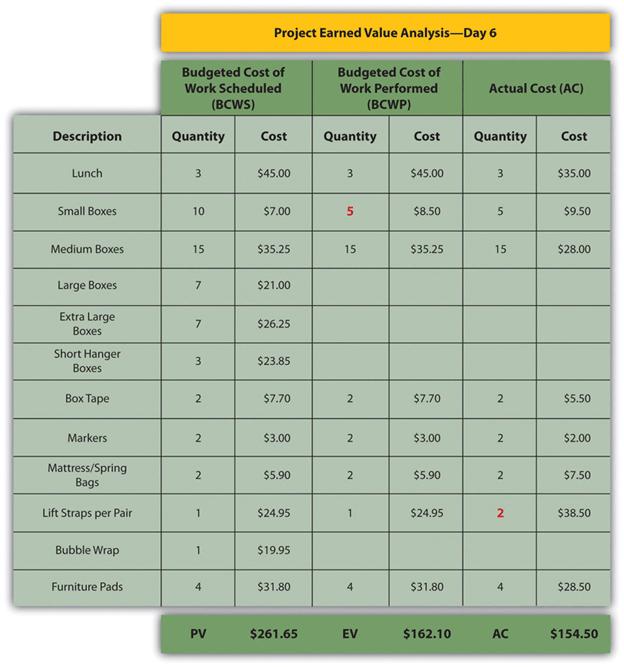
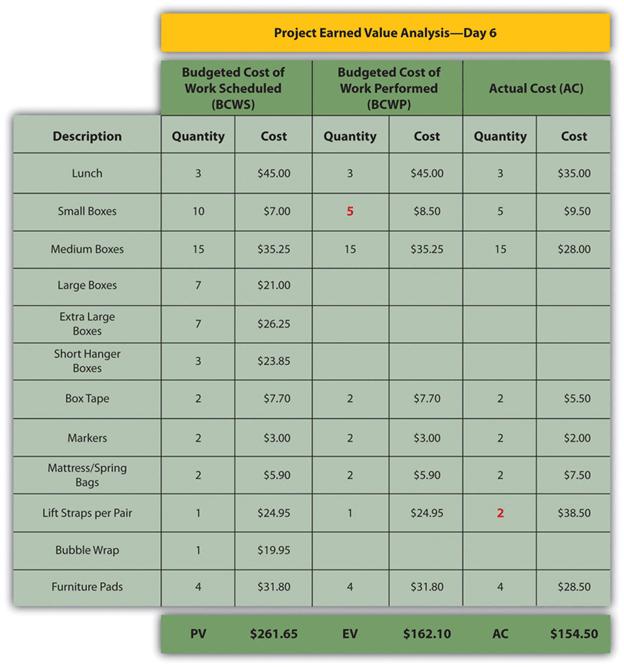
A useful way to understand cost-effectiveness is through a project-management mindset. Think of the year as a timeline, and think of wellness efforts as a plan with expected value. You forecast the “planned value” of interventions, track the “earned value” when health improvements translate into operational continuity, and compare it with the actual costs required to implement the program.
This approach helps avoid a common trap: evaluating vitamin D solely on supplementation expenses while ignoring operational benefits. A well-structured program can treat reduced sick-day frequency as an earned outcome. The goal isn’t perfection; it’s predictable improvement.
The cost side: why vitamin D often stays friendly to tight budgets
In most scenarios, the direct cost of vitamin D supplementation is relatively low compared with the economic burden of workforce disruption. Even when you account for routine monitoring or guidance, vitamin D generally remains a budget-plausible option. The administrative burden can also be kept light—simple educational materials, optional screening, and clearly defined dosing routines.
Yet cost-effectiveness is not about blind minimization. It’s about strategic allocation. If a company invests in something that reduces frequent absences, the investment becomes a stabilizer. It turns unpredictable “stop-start” months into smoother workflow cycles.
In practical terms, organizations benefit from reduced volatility. Volatility is expensive. It forces last-minute scheduling, overtime, and temporary coverage. These costs often multiply in ways budgets don’t initially capture.
The benefits side: how fewer sick days can ripple through an organization
Even a slight decrease in sick-day frequency can produce disproportionate operational gains. Consider the chain reaction: fewer absences mean fewer handoffs, fewer task delays, fewer “we’ll catch up later” backlogs, and fewer morale dents when teammates must stretch beyond sustainable limits.
Long-term continuity matters. When staff are consistently present, training is retained, projects progress with fewer interruptions, and performance reviews reflect actual contributions rather than fragmented availability. In many workplaces, the hidden cost of sick days is not just missing hours—it’s reduced coordination efficiency.
Vitamin D’s appeal here is its ability to function as a low-friction preventive strategy. It doesn’t require a dramatic behavioral overhaul. It can fit into daily routines, making it more likely to be sustained long enough to show results.
Safety, personalization, and the art of doing it responsibly
Cost-effectiveness rises when interventions are both beneficial and safe. Vitamin D, however, is not a one-size-fits-all vitamin. People vary in baseline status, absorption, body composition, and medical conditions. Responsible implementation may include guidance from a healthcare professional, and—where appropriate—measurement to determine whether supplementation is needed and at what dose.
Risk management is part of the economic picture. A program that ignores individual differences can create preventable complications, which undermines value. But when vitamin D is used thoughtfully, it becomes a controlled lever rather than a gamble.
Think of it like tuning an instrument: the goal isn’t to overshoot; it’s to reach a workable resonance. Within that resonance, the cost-effectiveness equation becomes far more robust.
Seasonality and the scheduling advantage: timing can improve returns
Sick days often cluster around seasons when infections circulate more widely and sunlight exposure declines. Vitamin D supplementation can be strategically timed to anticipate periods of higher risk. This is where planning transforms into advantage. Instead of reacting when the workplace is already in chaos, organizations can prepare while conditions are still favorable.
Timing also affects adherence. People are more likely to commit to preventive routines when the rationale is clear: “This is about staying ready.” Readiness is a powerful narrative driver, and it strengthens the implementation side of cost-effectiveness.
How to evaluate a vitamin D initiative with credible metrics
If you’re assessing whether vitamin D is truly cost-effective for sick-day reduction, measure more than one outcome. Track sick-day frequency, average days per illness episode, and the distribution of absences (are they frequent and short, or rare and prolonged?). Add operational metrics such as coverage gaps, overtime hours, and project slippage indicators.
Then compare those metrics across time—preferably before-and-after or in structured cohorts. Use consistent definitions for “sick day” and ensure data capture is reliable. When metrics are clean, the conclusion is clearer.
Cost-effectiveness is an argument that should be testable. With disciplined measurement, vitamin D shifts from a wellness suggestion to an evidence-informed strategy with economic credibility.
The unique appeal: a small investment that protects the continuity of work
Vitamin D’s cost-effectiveness is compelling because it aligns with a business truth: stability is valuable. Sick days erode stability, and instability multiplies costs beyond the moment of absence. Vitamin D offers a pragmatic counterbalance—an inexpensive, often accessible support that may help reduce illness-related disruptions.
Like weatherproofing, it doesn’t guarantee every day will be perfect. But it can reduce how often the workplace is blindsided by avoidable storms. And when the budget is a measure of both dollars and resilience, that kind of protection becomes more than health—it becomes performance.