Sleep is the nightly loom of recovery, weaving memory into meaning and mending the body’s fine fray. Yet many people try to coax slumber with distractions—screens, schedules, supplements—when the missing thread may be simpler: vitamin D. Think of vitamin D as a quiet conductor. It does not “knock” on the door of sleep; it tunes the instruments behind the scenes. And when the orchestra is out of calibration, your nights can feel oddly off—sleep that arrives late, stays shallow, or evaporates too soon. The best vitamin D dosage for sleep quality often falls within 2000–4000 IU, but the right dose depends on how your body interprets light, season, and baseline stores.
Why Vitamin D Belongs in a Sleep Conversation
Vitamin D is commonly discussed in the context of bones and immunity, but its influence on sleep is more subtle—and intriguingly comprehensive. Your brain is equipped with vitamin D receptors, like carefully placed doorways. When vitamin D signaling is inadequate, the pathways that influence circadian rhythm, inflammation, and neurotransmitter balance may become less precise. That can manifest as insomnia tendencies, restless sleep, or the kind of tiredness that doesn’t fully translate into restoration.
In metaphorical terms, vitamin D is the starlight that affects more than eyesight. It helps regulate internal “timers” that tell your body when to power down. Sleep is not merely rest; it is synchronization. And synchronization requires a conductor, not a dramatic solo.

Decoding the Dosage Range: 2000–4000 IU
Within the 2000–4000 IU window, vitamin D doses are often used to correct deficiency, support sufficiency, and nudge sleep-related physiology toward steadier functioning. But the word “best” matters. For sleep quality, “best” usually means best aligned to your baseline level.
Here’s a practical way to think about it:
2000 IU often functions like a gentle corrective tune—commonly chosen for those who are mildly low, have limited sun exposure, or want a measured approach. It can be a reasonable starting point for consistency.
3000 IU is the middle gear. For many adults, it provides a more confident pathway toward achieving sufficiency without leaping too aggressively. It’s a dose many people gravitate toward when their vitamin D blood level is below target and they want a pragmatic compromise between speed and steadiness.
4000 IU can be a stronger adjustment. It’s often considered when levels are notably low or when people require faster repletion. Some individuals use it under guidance, especially if labs suggest a deeper deficit.
In sleep terms, you’re not aiming for a “knockout dose.” You’re aiming for homeostasis, the quiet equilibrium where the body stops improvising and starts maintaining.
Linking Vitamin D to Sleep Architecture (Not Just Sleep Onset)
Sleep quality is more than how quickly you fall asleep. Quality includes continuity, depth, and the proportion of restorative stages. Vitamin D may support these dimensions indirectly by influencing inflammatory tone and neurochemical signaling. When inflammation runs hotter than it should, the nervous system can behave like a busy city at night—bright with signals, difficult to settle.
Vitamin D’s role in immune regulation can indirectly calm that noise. Calm, in turn, can improve the “glue” that holds sleep together—reducing awakenings and supporting more stable recovery cycles.
So rather than expecting vitamin D to act like a sleeping pill, it makes more sense to view it as a sleep infrastructure nutrient. It helps build the scaffolding that allows natural sleep processes to work efficiently.
Who Might Benefit Most from 2000 IU, 3000 IU, or 4000 IU
Your best dosage depends on your physiology and circumstances. Consider these patterns:
2000 IU may suit individuals with:
- Moderate sun exposure (but not consistent)
- Low-normal or slightly below target vitamin D levels
- A preference for conservative supplementation
3000 IU may suit individuals with:
- Persistent indoor routines and seasonal reduction in sunlight
- Mild deficiency or borderline levels
- Sleep problems that feel chronic rather than occasional
4000 IU may suit individuals with:
- Clearly deficient vitamin D levels on bloodwork
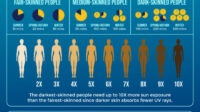
- Higher likelihood of malabsorption, limited sun exposure, or darker skin tones (both influence UV-driven synthesis)
- Guided plans to replenish and then reassess
These are not strict rules. They’re navigational clues. Your body is the compass.
How Long It Takes to Notice Better Sleep
Vitamin D isn’t an overnight switch. It’s more like an adjusting thermostat that gradually brings a room into equilibrium. Many people notice changes in sleep quality after several weeks rather than days. This timeline aligns with the physiology of vitamin D storage and the downstream effects on systems that influence circadian rhythm and inflammation.
Expect gradual shifts: fewer restless nights, improved morning resilience, and a steadier sense of “arrived sleep.” Patience is not passive here—it’s methodical.
For those tracking progress, consider measuring not only sleep duration but also sleep continuity: awakenings, perceived depth, and morning recovery. Sleep quality is a constellation; you observe its pattern.
Vitamin D Type, Absorption, and Why “With Food” Matters
Vitamin D comes as different formulations. The two most common are vitamin D2 and vitamin D3. Many people gravitate toward vitamin D3 for its consistent track record in raising blood levels. Absorption also plays a role: vitamin D is fat-soluble, so taking it with a meal that includes some dietary fat can enhance uptake.
Metaphorically, dosing without absorption is like lighting a lantern in fog—you can’t see the benefit if it doesn’t travel. Pair it with breakfast or dinner, and keep your routine stable. Stability helps your body “learn” the signal.
Testing and Targeting the Sweet Spot with 25(OH)D
To find the best dosage for sleep quality, consider testing serum 25(OH)D, the standard biomarker for vitamin D status. Lab results allow dosing to become precise rather than speculative.
Once you know your baseline, you can align your dose with your body’s needs. If you begin with a conservative dose and remain deficient, sleep may remain stubbornly uncooperative. If you jump too high without need, you may simply waste effort and complicate monitoring.
The objective is not maximum vitamin D. The objective is optimal vitamin D—enough to support physiology without overreaching.
Safety Considerations: Upper Limits, Caution, and Real-World Boundaries
Although vitamin D is widely used, more is not always better. High intakes over long periods can increase the risk of hypercalcemia and related issues. This is why the upper end of common dosing strategies—like 4000 IU—should be approached with attention to labs, health status, and professional guidance when appropriate.
Certain conditions can alter risk or dosing requirements, including kidney disorders, disorders affecting calcium metabolism, and histories of elevated calcium levels. If any of these apply, individualized guidance is essential.
Think of supplementation like calibrating a musical instrument: too little leaves the tone flat; too much can strain the mechanism.
Supporting Sleep Synergy: How Vitamin D Fits Into a Nighttime System
Vitamin D works best when your overall sleep ecosystem is respected. It doesn’t replace dark, cool rooms; it doesn’t cancel out late caffeine; it doesn’t override stress physiology. Instead, it can complement these levers.
Pair vitamin D with sleep fundamentals:
- Consistent bedtime and wake time
- Morning light exposure (nature as a circadian lubricant)
- Caffeine discipline
- Evening dimming of bright screens
- Stress reduction practices that quiet the nervous system
When these pieces align, vitamin D may act like a harmonizing note, reinforcing the conditions under which sleep is easiest to maintain.
A Practical Plan for Finding Your Best Dosage
Start with your baseline and your goals. If you don’t know your 25(OH)D level, a common approach is:
- Try 2000 IU for an initial period if you suspect mild deficiency or low sun exposure.
- If labs later show levels remain low and sleep issues persist, consider 3000 IU.
- If deficiency is significant, a clinician-guided plan may incorporate 4000 IU with follow-up testing.
Use routine as the ally: take it consistently, preferably with a meal. Then reassess after adequate time to reflect changes in stores. Sleep quality is your downstream signal—quietly informed by physiology, not by hype.
The Unique Appeal: Vitamin D as a Quiet Architect of Rest
The unique appeal of vitamin D for sleep quality is that it doesn’t demand dramatic behavior. It invites a long-term relationship with the body’s internal rhythms. Rather than sedating you into stillness, it supports the systems that make stillness natural. It’s less “instant escape” and more structural elegance.
In the end, the best vitamin D dosage for sleep quality—often within 2000–4000 IU—is the dose that brings you into alignment. When your levels are properly supported, your nights may feel less like an argument with darkness and more like a homecoming.