Vitamin D is often discussed as if it were a simple “bone nutrient,” yet its influence reaches far deeper—touching muscle fiber function, neuromuscular signaling, and the efficiency of recovery after training. For athletes, lifters, and anyone rebuilding strength, the question is rarely whether vitamin D matters. The real question is dosage: how much to take, how to choose a schedule, and how to align supplementation with training demands. The best dosage is not a single number for everyone; it’s a carefully tuned approach guided by baseline status, lifestyle constraints, and safety boundaries.
Why Vitamin D Matters for Muscle Strength
Vitamin D works like a molecular switchboard. It supports muscle cell growth and helps regulate calcium handling—an essential element in muscle contraction. When vitamin D levels are adequate, the body can more effectively orchestrate calcium flux, allowing muscles to generate force with improved coordination. This doesn’t guarantee instant strength gains, but it can create a physiological environment where training adaptations are allowed to unfold.
Vitamin D also interacts with satellite cells, the tissue repair units involved in muscle remodeling. With consistent training, micro-damage occurs in muscle fibers; effective recovery depends on repair and reorganization. Vitamin D helps nudge the system toward efficient regeneration, which may translate into better performance over time—especially for people whose vitamin D status is persistently low.
Vitamin D and Recovery: From Inflammation to Repair
Recovery is not only about feeling better. It’s also about restoring homeostasis—stabilizing inflammatory signaling, renewing energetic pathways, and repairing structural proteins. Vitamin D appears to play a role in moderating inflammatory cascades. When vitamin D is deficient, recovery can feel sluggish, and training frequency may suffer due to increased soreness or delayed restoration.
Think of vitamin D as a conductor for biological timing. After strenuous sessions—heavy squats, plyometrics, sprint intervals—your body needs reliable scheduling for repair. Adequate vitamin D may support that tempo, helping you bounce back with less friction between sessions.
The Dosage Question: “Best” Depends on Baseline Status
The best vitamin D dosage for muscle strength and recovery starts with one key variable: your current serum 25-hydroxyvitamin D level. This is the biomarker that reflects vitamin D reserves. People with adequate levels often need maintenance dosing rather than large repletion doses. Conversely, those who are deficient may require a higher initial strategy before settling into a steadier plan.
A common conceptual framework is to view supplementation as a staircase. First, climb from insufficiency to sufficiency. Then, maintain the height so muscles and repair systems aren’t forced to operate in a vitamin D “underfunded” state.
Typical Recommended Ranges for Maintenance (General Strength Support)
For many adults, a daily intake in the range of 800–2,000 IU (20–50 micrograms) is often used as a maintenance strategy. This range is frequently chosen for people who already have reasonable sun exposure or who maintain vitamin D levels through diet and moderate lifestyle habits.
If your training schedule is consistent and your general health markers are stable, maintenance dosing can help preserve neuromuscular function and support ongoing recovery. However, if you rarely see daylight, live at higher latitudes, or work indoors, maintenance doses may not be enough to correct low reserves.
Dose for Deficiency: Repletion Strategies (When Levels Are Low)
When vitamin D levels are deficient, a higher repletion approach is commonly considered. Some regimens use larger daily doses or intermittent “bolus” dosing to replenish stores more quickly. The safest plan depends on individual risk factors and—ideally—medical guidance.
Deficiency correction matters for muscles because prolonged low vitamin D status can weaken the biological readiness for training adaptations. In practical terms, people often notice that recovery feels smoother and training becomes more sustainable once vitamin D is restored to a sufficient range.
Because high doses carry potential risks if used indiscriminately, the most responsible method is to test first. Still, the concept is straightforward: replenish, verify, then transition to maintenance.
Single Daily Dose vs Split Dosing: Absorption and Convenience
Vitamin D is fat-soluble, so it absorbs best alongside a meal containing dietary fat. Whether you take one dose or split it depends on tolerance and routine. Many people find that a single daily capsule is simplest. Others prefer split dosing to reduce the chance of gastrointestinal discomfort.
Split dosing can also create a more even “presence” in the bloodstream, though the overall weekly or monthly total is ultimately what determines vitamin D store changes. Either approach can work; consistency is the true choreographer here.
Vitamin D with Magnesium and Calcium: Synergy or Overcomplication?
Vitamin D helps regulate calcium absorption, which is essential for muscle contraction. Some lifters wonder whether adding calcium or magnesium is necessary. Magnesium is particularly relevant because it participates in vitamin D metabolism and influences neuromuscular function. When magnesium is low, vitamin D may not perform as efficiently in the background.
Calcium is a separate nutrient with its own dosage considerations. Many people already obtain adequate calcium from dairy, fortified beverages, leafy greens, and fish with edible bones. The best approach is to avoid blind supplementation and instead aim for balanced nutrition.
In muscle-building contexts, the goal is synergy—not stacking pills without strategy. When vitamin D intake is optimized, magnesium status and overall mineral balance often become the “supporting cast” that allows the lead nutrient to perform.
How Sunlight, Geography, and Clothing Affect Your Dosage Needs
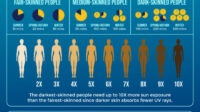
Sunlight exposure is a major determinant of vitamin D synthesis. Latitude, season, cloud cover, skin pigmentation, and time outdoors all influence how much vitamin D your skin can generate. Clothing style matters too; covering most skin reduces synthesis even in sunny climates.
Winter months can be brutal for vitamin D stores. If you train indoors during the cold season, your body may not build reserves naturally, making supplementation more important. For those who cycle between outdoor summers and indoor winters, a seasonal dosing plan can sometimes be more practical than a year-round fixed routine.
Timing Around Workouts: When to Take It
Vitamin D isn’t an acute “pre-workout” supplement in the same way caffeine is. Its benefits are cumulative, shaped by weeks and months rather than hours. Still, timing can influence absorption. Taking vitamin D with a meal—often the one that contains the most dietary fat—can improve uptake.
Some people prefer morning dosing to align with breakfast. Others choose an evening meal for consistency. The best timing is the one that matches your routine and maximizes absorption while staying safe with your overall supplement strategy.
Food Sources and How They Complement Supplementation
Dietary vitamin D can contribute, but it’s usually difficult to reach optimal serum levels through food alone—especially for those with limited sun exposure. Fatty fish such as salmon and sardines can help, and egg yolks provide modest amounts. Fortified dairy, fortified plant milks, and fortified cereals can also contribute.
Food sources are valuable because they bring along co-nutrients—protein, omega-3 fats, and minerals that support muscle health. Yet supplementation often bridges the gap between intake and physiological need, particularly when training intensity is high.
Monitoring: Testing and Adjusting Your Plan
The most intelligent dosage strategy involves measurement. A blood test for 25-hydroxyvitamin D can clarify whether your current intake is maintenance, insufficient, or truly repletion territory. Re-testing after several weeks of consistent supplementation helps confirm that stores are moving in the intended direction.
Adjustment is iterative. If levels remain low, dosage may need to increase or lifestyle factors might need revision. If levels rise into a healthy range, switching to maintenance can protect long-term safety while continuing to support recovery.
Safety Boundaries and Avoiding Excess
Vitamin D is beneficial, but more is not always better. Excess intake can lead to hypercalcemia and related complications, especially when high doses are used without monitoring. Safety boundaries exist for a reason: vitamin D, being fat-soluble, can accumulate.
A professional dosing plan respects upper limits and emphasizes verification. For muscle recovery goals, it’s better to choose a measured approach—targeting sufficiency rather than chasing extremes.
What Readers Can Expect: Different Content “Paths” for Different Needs
People come to this topic for different reasons. Some want a straightforward daily dosage estimate; others want a nuanced plan based on lab values and training cycles. Some are rebuilding after a plateau, while others are trying to prevent winter stagnation. You may find content that includes practical dosing ranges, meal timing strategies, and monitoring checklists. You might also encounter deeper explanations of how vitamin D interfaces with calcium signaling, neuromuscular coordination, and cellular repair.
Expect variations in recommended strategies: maintenance-focused schedules for those near sufficiency; repletion pathways for those who are deficient; and seasonal adaptations for people whose sun exposure swings dramatically. The most useful guidance is the one that matches your baseline and your training calendar.

A Practical “Best Dosage” Summary for Muscle Strength and Recovery
The best vitamin D dosage is best understood as a progression from status to strategy. If your vitamin D level is adequate, maintenance in the commonly used range of 800–2,000 IU daily may help preserve recovery capacity. If your level is low, a higher repletion approach may be required initially, then followed by maintenance once sufficiency is achieved. Always prioritize absorption by taking vitamin D with a meal that includes dietary fat.
Finally, test and adjust. Muscle strength grows through deliberate training and intelligent recovery. Vitamin D can be a quiet ally in that process—provided the dosage is personalized, monitored, and used with respect for safety.