Picture yourself stepping outside on a bright morning. Sunlight washes over your skin like a gentle spotlight, and your body begins a quiet alchemy—one that might help you build vitamin D. But then a thought pops up, playful and persistent: What if the sun is elusive today? Cloud cover, winter schedules, sunscreen habits, office life, and even the glow of a late-night screen can complicate things. That’s where the challenge arrives: Should you rely on sunlight, or should you turn to vitamin D supplements? Let’s untangle the sunlight–supplement standoff with clear, practical nuance.
First, the simple biology: where vitamin D really comes from
Vitamin D is unusual. Many nutrients come from food, but vitamin D has a substantial “manufacturing step” happening in your skin. When ultraviolet B (UVB) rays reach the skin, they help convert a precursor into vitamin D3, which then travels through your liver and kidneys for further transformation into the active forms the body can actually use.
Supplements, on the other hand, essentially bypass that sun-based manufacturing phase. A pill delivers vitamin D (often D3), which your body processes through the same metabolic pipeline. In other words, whether sunlight or supplements initiates the process, your body does the final work—assuming the dose is appropriate and consistent.
Sunlight: the original “dose” with a twist
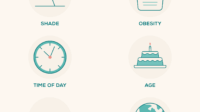
Sunlight feels straightforward: go outside, absorb rays, and win. Yet reality is more mischievous. Sunlight’s effectiveness depends on multiple variables—latitude, season, time of day, skin pigmentation, age, cloud cover, and even how much skin you expose.
For example, the same outdoor routine in summer versus winter can yield very different results. Similarly, sunscreen reduces UVB exposure. That’s not necessarily “bad,” because sunscreen protects you from skin damage. But it means you might not get the vitamin D synthesis you would if you were completely unprotected.
Still, sunlight isn’t only a vitamin D delivery system. Daylight exposure can influence circadian rhythms and mood. Short, regular outdoor time may offer benefits beyond the lab value.

Supplements: controlled delivery, fewer variables, more responsibility
Vitamin D supplements are like a well-calibrated compass. They don’t care whether it’s raining, whether you work indoors, or whether the UV index is low today. Most supplements provide a predictable amount of vitamin D—commonly D3—making it easier to correct deficiency or maintain adequate levels.
The trade-off is accountability. Supplements require dosing decisions and, ideally, monitoring. Too little may do nothing meaningful. Too much can lead to hypercalcemia—an uncomfortable scenario where calcium levels climb and the body starts misbehaving.
Still, for many people—especially those with limited sun exposure—supplements can be the most reliable path. Think of them as a safety net, not a replacement for healthy living.
Which is better? It depends on your “sun accessibility”
The most useful way to compare sunlight and supplements is to ask one question: How reliably can you obtain UVB exposure? If you can consistently get midday sun with enough skin exposure during times of the year when UVB is strong, sunlight may be a reasonable strategy.
But if you’re constrained by geography, climate, lifestyle, or skin sensitivity concerns, supplements often become the clearer winner. Indoor workers, people who cover most of their skin for cultural or personal reasons, and those living at higher latitudes frequently have a tougher time producing adequate vitamin D from sunlight alone.
So the choice isn’t about “sun versus pills” as a rivalry. It’s about selecting the method that aligns with your real-world conditions.
The nutrition angle: vitamin D with a companion cast
Vitamin D doesn’t live alone. Your vitamin D status interacts with calcium and magnesium metabolism and supports bone health and muscle function. You can have the right vitamin D approach and still fall short if dietary calcium is consistently low.
Foods such as fatty fish (salmon, sardines), egg yolks, and fortified products can contribute small to moderate amounts. However, for many adults, diet alone is rarely sufficient to fix a deficiency. That’s why the combination model often works best: adequate nutrition plus either sunlight or supplementation.
In other words, think of vitamin D as part of a team, not a solo act.
Risk factors: who should be more careful with either approach
Certain groups may need a more structured plan. Older adults often have reduced skin synthesis. People with darker skin pigmentation may require more UVB exposure to produce the same amount of vitamin D as lighter-skinned individuals. Individuals with obesity may also have altered vitamin D distribution. Some medical conditions—especially those involving absorption—can interfere with vitamin D uptake even when taking supplements.
Then there’s the “risk balance” problem. Sunlight helps, but excessive UV exposure increases skin cancer and photoaging risks. Any plan that involves sun should still respect skin safety—no heroic marathon tanning sessions required.
Testing and targets: the missing piece in many decisions
Here’s where the challenge deepens: without measurement, it’s hard to know what’s actually happening. A blood test—typically measuring 25-hydroxyvitamin D—can reveal whether your current approach is meeting your needs.
Targets vary by guideline, but generally the goal is to avoid deficiency and maintain adequate levels for bone and muscle health. Testing is especially helpful if you’re considering higher-dose supplementation, have risk factors, or have symptoms that might relate to low vitamin D (like persistent fatigue or muscle weakness—though those are not specific).
Long story short: if you can test, it turns guesswork into strategy.
Practical guidance: how to choose today, not “someday”
If you’re deciding right now, start with reality. Ask yourself how often you can get outdoor time in seasons and locations where UVB is available. If it’s inconsistent—or if you reliably use sunscreen and cover your skin—supplementation is often the more dependable option.
If you can get sensible sun exposure safely, you might use sunlight as part of your plan, while still ensuring your diet supports your bones and muscles. Many people do a hybrid approach: moderate outdoor exposure plus supplements during low-sun months.
Whatever you choose, keep it steady. Vitamin D status changes over time, so abrupt increases without a plan can backfire.
Safety and smart dosing: avoiding the “more is better” trap
Supplements are not infinite. Exceeding recommended ranges increases the risk of toxicity. Symptoms of vitamin D excess can include nausea, vomiting, constipation, weakness, and kidney-related issues due to high calcium levels.
That doesn’t mean supplements are dangerous. It means they should be used with intention. Using the dose suggested by a clinician or a reputable guideline—and rechecking levels when appropriate—turns supplements into a precision tool.
The verdict: sunlight for access, supplements for reliability
So, which is better for you? The most honest answer is: sunlight is excellent when UVB exposure is consistent and safe; supplements are excellent when sunlight is limited or unreliable.
Think of sunlight as a living, breathing influence with many moving parts. Supplements are more like a dependable metronome. Your best outcome typically comes from matching your strategy to your environment, your risk profile, and—when possible—your blood test results.
Now the playful question becomes more actionable: Are you relying on sunshine you can actually access, or are you letting a cloudy schedule decide your vitamin D fate? Choose with clarity, stay consistent, and let your body’s chemistry do the rest.