What’s better for bone health: a sunbeam that drifts through the window, or a capsule that waits patiently on your bedside table? The question sounds playful, yet the stakes are painfully real. Bones are living architecture—sturdy, yes, but also constantly remodeled. When sunlight and supplements enter the story, the plot becomes a head-to-head trial of mechanisms, habits, timing, and risk. Let’s put them on the same stage and watch what happens when you choose one over the other.
The Bone’s Secret Schedule: Remodeling, Not Just Strength
Bones aren’t inert. They behave like a meticulous construction crew with a rotating shift system. Osteoblasts build, osteoclasts resorb, and the balance determines whether your skeleton thickens, stays steady, or thins. Over time—especially with age—this balance can tilt, increasing fracture risk.
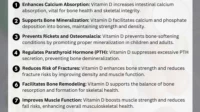
Two players are repeatedly mentioned in bone conversations: vitamin D and calcium. Vitamin D helps you absorb calcium efficiently, acting like a backstage coordinator that ensures calcium reaches the stage where it’s needed. Without sufficient vitamin D, calcium absorption becomes less reliable—even if your diet is solid.
This is where sunlight and supplements come in: both aim to raise vitamin D, but they do so through different pathways, with different constraints and quirks.
Sunlight: The Natural Workshop for Vitamin D
Sunlight’s contribution to vitamin D is elegant. When ultraviolet B (UVB) rays strike the skin, they help convert a precursor molecule into vitamin D3, which then travels through the liver and kidneys for further processing. The result: circulating vitamin D that supports calcium absorption.
Think of sunlight as a renewable energy source—beautiful, but dependent on conditions. Cloud cover, latitude, season, skin pigmentation, sunscreen use, clothing coverage, and even time of day can influence UVB exposure. A winter morning at high latitude isn’t the same as a summer afternoon near the equator.
There’s also the matter of variability. Sunlight dosing is rarely consistent. Some people catch rays almost accidentally; others avoid them entirely. That inconsistency can translate into inconsistent vitamin D status.
Supplements: Precision, Control, and Predictable Chemistry
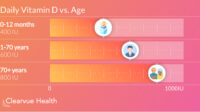
Supplements function like a metronome. Instead of relying on weather and geography, you can target a specific intake. Vitamin D supplements (often vitamin D3) are designed to raise serum 25-hydroxyvitamin D—a standard marker of vitamin D status.
For many people, the allure is obvious: predictability. A capsule is not blocked by clouds. It doesn’t care whether you wore long sleeves. It also allows adjustments based on lab results or clinician guidance.
However, precision can cut both ways. Too little may underperform, while too much can become problematic. Vitamin D is fat-soluble, meaning it can accumulate. The goal isn’t to “max out” but to maintain an appropriate range. Quality also matters: reputable brands with accurate dosing and transparency reduce the risk of under- or over-delivery.
Supplements may feel sterile compared to sunlight—but they can be remarkably pragmatic, especially for individuals with limited sun exposure, darker skin tones, malabsorption conditions, or living in high latitudes.
The Head-to-Head Trial: Bioavailability and Absorption Nuances
Both strategies can raise vitamin D, yet their “bioavailability” isn’t a simple either-or. Sunlight’s conversion depends on skin biology and UVB penetration. Even within the same person, day-to-day outcomes can swing based on exposure duration, body surface area exposed, and seasonal UVB intensity.
Supplements bypass the UVB step and deliver vitamin D directly. This often produces a more stable rise in vitamin D status, particularly when taken consistently.
But the body’s interpretation of vitamin D is still downstream. Vitamin D must be metabolized and utilized. Kidney function, liver health, medication interactions (such as some anticonvulsants), and overall nutrition can influence effectiveness.
In a true trial mindset, consistency and controllability are major scoring categories for supplements, while sunlight scores highly for accessibility and additional physiological signals beyond vitamin D.
Calcium’s Role: The Unsung Supporting Actor
Vitamin D is a facilitator; calcium is the building material. Without enough dietary calcium, even improved vitamin D status may not fully translate into optimal bone mineralization.
Sunlight and supplements may both raise vitamin D, but they don’t automatically guarantee calcium sufficiency. In practice, many bone health plans involve a calcium-aware nutrition approach—whether that means dairy, fortified alternatives, leafy greens, or other calcium sources.
So the “trial” isn’t solely about vitamin D. It’s about the synergy: vitamin D enabling absorption, calcium providing the raw ore for bone formation.
Safety Showdown: Skin Risks vs Nutrient Overshoot
Here’s where the playful question becomes serious. Sunlight can be beneficial, but UV exposure also carries risks, including skin damage and increased risk of skin cancers. The challenge is finding a balance: getting enough UVB to support vitamin D while minimizing harm.
That balance is not a universal recipe. Individuals with higher sensitivity, a history of skin lesions, or strong family risk may need to prioritize supplements over UV exposure. Sunscreen adds complexity: it can reduce UVB absorption, potentially lowering vitamin D production, though it also prevents damaging exposure. This means the most safety-conscious strategy often involves tailored vitamin D intake rather than “winging it” with sun.
Supplements, meanwhile, face a different challenge: overshooting. High-dose vitamin D without monitoring can elevate calcium levels and trigger complications in susceptible individuals. That’s why many evidence-informed approaches emphasize appropriate dosing and, when feasible, checking bloodwork.
What About Timing? Morning Sun, Evening Capsules, and the Circadian Angle
Timing can be surprisingly relevant. Sunlight patterns tend to follow the day’s light intensity—UVB can peak at certain times. Supplements can be taken when it’s convenient, but there’s a common nutritional optimization: vitamin D often absorbs better when consumed with meals that contain fat.
For those who choose supplements, taking them consistently with food can reduce variability in absorption. For those choosing sunlight, consistency depends on routine—regular exposure over weeks tends to be more impactful than sporadic bouts.
In a head-to-head framing, supplements win on scheduling regularity, while sunlight competes on natural rhythm and convenience for some lifestyles.
Measuring the Outcome: The Biomarker Benchmarks
Instead of guessing, the trial can be measured. The standard marker is serum 25-hydroxyvitamin D. Bone outcomes are slower—fracture risk, bone density changes, and long-term skeletal integrity evolve over months to years.
This means vitamin D status is like the scoreboard that predicts future performance. If vitamin D remains low despite sun exposure, it suggests either insufficient UVB or biological constraints. If vitamin D stays adequate with supplements, it indicates the regimen is functioning.
For best decision-making, individuals can align intake strategy with lab results and clinician guidance—especially for older adults, those with chronic conditions, or anyone at elevated fracture risk.
So, Who Wins: Sunlight or Supplements?
In the grand finale, the contest isn’t truly “sunlight versus supplements.” It’s “feasible sunlight versus consistent vitamin D.” Sunlight can be a powerful, low-cost tool, especially when exposure is possible and safety is managed. Supplements can offer dependable correction when sunlight is insufficient or risky.
For many people, the most effective approach is hybrid thinking: use diet and sunlight when appropriate, and rely on supplements to fill gaps. The bones don’t care whether vitamin D arrives by UVB magic or capsule chemistry—they care whether blood levels and calcium intake are adequate.
The playful challenge still stands: are you willing to run a personal experiment? Track habits, consider safety constraints, and aim for evidence-informed adequacy rather than extremes. Bones reward consistency, not drama.