Ever notice how some meals seem to “work” immediately, while others leave you wondering if the vitamin actually got absorbed at all? Here’s a playful challenge: imagine your body is hosting a tiny dinner party for Vitamin D. Now ask yourself—where’s the seat for fat? Vitamin D is fat-soluble, which means it doesn’t travel solo. It prefers to hitch a ride with dietary lipids so it can be properly absorbed, transported, and utilized.
So the question becomes delightfully practical: how do you pair Vitamin D-rich foods with fat in a way that feels natural, delicious, and repeatable? Let’s take the mystery out of it and turn your plate into a well-orchestrated absorption pipeline.
Why Vitamin D Needs Fat: The “Fat-Soluble” Reality Check
Vitamin D belongs to the fat-soluble family, which is less like a quick message and more like a parcel that needs the right packaging. Without sufficient dietary fat, absorption can be sluggish. Think of fat as the courier that helps carry Vitamin D across the intestinal border and into circulation.
This doesn’t mean you need an oil slick on everything. It means you need the correct pairing—a manageable amount of fat alongside meals or snacks that contain Vitamin D. When the two travel together, Vitamin D becomes far more likely to be absorbed efficiently.
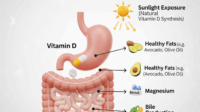
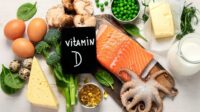
To make the concept vivid, here’s a helpful visual of the kinds of foods often associated with Vitamin D and the general idea of pairing nutrition strategically:

Know Your Vitamin D Sources: Food First, Strategy Second
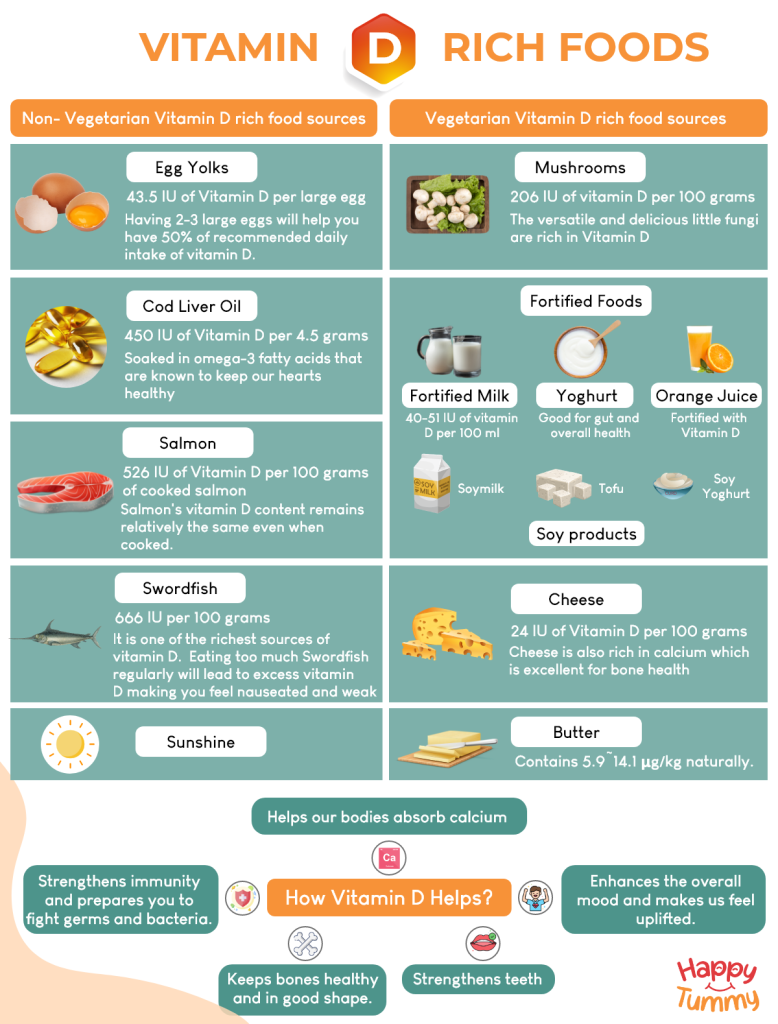
Vitamin D can come from a few dietary routes. Some are naturally rich in the vitamin, while others are fortified. Common food categories include fatty fish (like salmon and sardines), egg yolks, certain dairy or dairy alternatives fortified with Vitamin D, and some fortified breakfast cereals or juices.
Once you identify a Vitamin D-rich food, you can treat fat pairing like a “companion casting.” The goal is to create a meal where Vitamin D is present, and fat is present too—ideally within the same meal window.
Even if you do everything else perfectly, skipping fat at the same time can blunt the absorption. The fix is usually simple: add a small, intentional source of fat rather than changing the whole diet.
Choose the Right Fats: Not All Lipids Behave the Same
All fats are not identical in flavor, texture, or how they contribute to a meal’s satiety. For absorption, you primarily need dietary fat—yet choosing healthier fats can improve the overall meal quality and help you stay consistent.
Practical options include:
Olive oil for dressings and drizzles. It’s smooth, versatile, and widely tolerated.
Avocado for creamy, fiber-friendly pairing.
Egg yolk itself (a double win when included with Vitamin D-containing eggs).
Butter or ghee in small amounts for richness and culinary satisfaction.
Full-fat yogurt when used alongside fortified foods or as a base for toppings.
Nuts and seeds for crunchy texture and additional nutrient density.
Short version: pick fats you enjoy. Long version: the best pairing is the one you’ll repeat on busy days.
Pairing Ideas That Actually Taste Good: From “Supposed To” to “Want To”
Now for the fun part. Pairing Vitamin D with fat works best when it feels like a cohesive dish rather than a nutritional experiment. Here are some “mix-and-match” ideas:
Fatty fish + olive oil or avocado
Try salmon or sardines with a drizzle of olive oil and a side of avocado. The fat helps Vitamin D absorption, and the flavor combination makes the meal feel complete.
Egg yolks + full-fat dairy
A breakfast of eggs with full-fat yogurt or cheese can create a friendly absorption environment. The key is eating them together rather than spacing them far apart.
Fortified cereal or milk + a measured fat add-on
If you eat fortified milk or cereal, pair it with almond butter, walnuts, or a spoon of full-fat yogurt. Keep portions sensible—aim for “support,” not excess.
Fortified smoothies + healthy fat
Add avocado, nut butter, or coconut yogurt to smoothies that include Vitamin D. Smoothies can be deceptively effective because they consolidate nutrients into one meal.
Remember the challenge posed earlier? This is how you solve it. You give Vitamin D the entourage it prefers.
Timing Matters: Meal Logistics for Better Absorption
Even with the right pairing, timing can influence results. Vitamin D absorption tends to be more efficient when the fat and Vitamin D are consumed simultaneously. That means you should treat the fat as part of the same meal, not a separate snack eaten hours later.
Also consider how your meal is structured. A bland, low-fat lunch where Vitamin D is present but fat is absent may reduce absorption. Conversely, a balanced plate where fat is naturally included—like a dressing, a sauce, or a creamy side—often improves the odds.
Long sentences can be exhausting, so here’s the concise rule: pair within the same eating window.
Portion Guidance: How Much Fat Is Enough?
One common fear is that people assume fat must be large to work. Not necessarily. You typically need enough dietary fat to assist absorption, not necessarily a high-fat diet.
Start with small to moderate additions:
• 1–2 teaspoons of olive oil for a meal can be enough for a meaningful pairing.
• 2–3 tablespoons of nuts or nut butter can add both fat and satisfaction.
• A few slices of avocado or a spoonful of full-fat yogurt can provide the “absorption-friendly” environment.
Then adjust based on tolerance and your total daily pattern. If your stomach enjoys it, your body probably does too. If it doesn’t, use a gentler fat source or reduce the amount.
Common Pitfalls: What Silently Undermines Absorption
Several obstacles can sabotage your careful pairing efforts. For example, meals that are “fat-free” or extremely low-fat may reduce absorption even if Vitamin D foods are present. Another pitfall is inconsistent pairing—having Vitamin D-rich foods but repeatedly skipping fat the same day.
Additionally, overly restrictive diets can accidentally remove both fats and the culinary context that makes nutrients easier to absorb. If Vitamin D-rich foods feel dry or bland, people often avoid adding fat. The trick is to add fat in ways that enhance—not overwhelm—the dish.
If you’ve ever eaten Vitamin D-rich foods and still felt underwhelmed by the results, this is usually where the answer lives: pairing, not just presence.
Practical Weekly Strategy: Build a Repeatable Routine
Instead of trying to “optimize” every meal, create a small weekly framework. Choose two or three Vitamin D-rich foods you already enjoy. Then decide on one reliable fat partner for each.
For example:
Twice weekly fatty fish + olive oil or avocado.
Most mornings eggs + full-fat dairy or yogurt.
One evening snack fortified milk or cereal + nuts, nut butter, or yogurt.
Consistency compounds. In nutrition, that’s not a motivational poster—it’s physiology.
To further spark ideas, here’s another visual reminder of Vitamin D-rich options and the variety of foods people often include when aiming for better overall nutrition:
When to Consider Extra Help (and When Not To Guess)
Food pairing is powerful, but it’s not the only variable. Some individuals have lower baseline Vitamin D levels due to limited sun exposure, absorption issues, or dietary constraints. If you’re considering supplements, it’s wise to align timing and fat pairing with professional guidance—especially if you have gastrointestinal concerns or take medications that can affect nutrient handling.
Still, for most people, improving food pairing is a smart first step. It’s tangible. It’s enjoyable. It’s measurable in your daily routine.
Final Takeaway: Make Your Plate a Vitamin D Delivery System
Vitamin D-rich foods don’t need to feel complicated. They need companionship. Add a sensible amount of fat, keep it within the same meal window, and build repeatable combinations that make eating feel pleasurable rather than performative.
Next time you’re staring at your lunch or planning breakfast, try this question: “Where’s the fat in this story?” When you answer it on your plate, absorption becomes less of a gamble—and more of a confident strategy.