Winter arrives like a curtain drop—quiet, cold, and surprisingly persuasive. And then, somewhere in the shuffle of darker mornings and indoor evenings, a question begins to tap at the mind: How long does it take to become vitamin D deficient in winter? It sounds like one of those slow-brewing mysteries, doesn’t it? Yet the challenge can be more immediate than expected. The body stores vitamin D like a thoughtful hoarder—until it doesn’t. When sunlight dwindles, deficiency can creep in with the smoothness of fog.
Why winter changes vitamin D so quickly (and so subtly)
Vitamin D is often called the “sunshine vitamin,” and for good reason: the skin manufactures it when exposed to ultraviolet B (UVB) rays. In winter, several factors collide. Sunlight angle decreases, UVB strength drops, and day length shrinks. Even if the sky is bright, the specific UVB dose may be lower than what’s needed for steady production.
It’s not always dramatic at first. Some people continue to feel “mostly fine,” but biochemical signals can drift out of sync. Vitamin D levels respond to cumulative exposure, meaning you can’t always pinpoint a single day when the trouble begins.
Think of it like a slow leak in a well-built boat. The waterline doesn’t plunge overnight—yet the change is real.
The timeline question: how long until deficiency shows up?
The honest answer is: it depends. Vitamin D status reflects past months of sunlight exposure, baseline storage, skin characteristics, diet, and lifestyle. Still, a practical pattern exists.
For many people with already-low vitamin D stores, levels can begin to fall within weeks after winter starts. Deficiency may become clinically detectable over 1–3 months, especially when sun exposure drops sharply. For those who entered winter with healthier stores, it can take longer—sometimes closer to 3–6 months—before deficiency becomes prominent.
Here’s the playful part: the “winter vitamin D villain” doesn’t always strike like a thunderbolt. It more often arrives as a boring, bureaucratic delay—first a mild decline, then a measurable shortage on lab work.
Baseline matters: your starting vitamin D level is the real clock
Your body’s stores determine how resilient you are to the seasonal dip. If vitamin D levels were maintained in late summer or early autumn, the decline may be gradual. However, if your starting point was already low—perhaps due to limited sun exposure, darker skin pigmentation, or inconsistent outdoor activity—winter can turn the decline into a faster downward slope.
Even clothing patterns matter. Covering most skin reduces UVB contact. Similarly, sunscreen use can reduce vitamin D synthesis when used broadly and consistently. That doesn’t mean sunscreen is “bad.” It means vitamin D biology is a balancing act, not a simple yes-or-no story.
Why some people become deficient faster than others
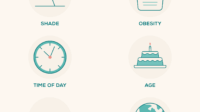
Not everyone experiences the same timeline. Several risk factors can accelerate deficiency during winter:
Geography and latitude: Regions farther from the equator often have lower UVB intensity, stretching the deficiency timeline faster in winter.
Skin tone: Melanin can reduce UVB penetration, meaning less vitamin D is produced for the same exposure.
Indoor lifestyle: Desk work, shift work, and limited outdoor breaks can quietly limit UVB exposure.
Body weight and fat distribution: Vitamin D is fat-soluble, and higher body fat can influence how vitamin D is stored and released.
Dietary intake: Winter diets may still be healthy, but if vitamin D-rich foods are rare—like fatty fish, fortified dairy/plant milks, and egg yolks—supplementation or sunlight becomes more important.
Health conditions: Certain gastrointestinal disorders or kidney/liver issues can impair vitamin D absorption or activation.
In other words, winter doesn’t treat everyone with the same administrative rigor. Some people get flagged quickly; others remain “in the green” longer.
What deficiency can feel like (and why symptoms can be misleading)
Vitamin D deficiency doesn’t always announce itself with dramatic symptoms. It can be stealthy, and that makes it easy to underestimate. Some people notice:
Bone or muscle aches: Discomfort can appear vague—like a lingering winter stiffness.
Fatigue and low mood: Energy dips can feel like a seasonal mood shift, not a biochemical one.
Weakness or reduced exercise tolerance: Muscles may feel less responsive.
More frequent illness: Immune function links are complex, but some people report increased susceptibility during low vitamin D periods.
However, symptoms alone cannot confirm deficiency. Many conditions mimic the same complaints. A lab test is the reliable translator here—turning foggy sensations into measurable data.
The role of blood tests: when does it become “official”?
Vitamin D deficiency is typically assessed with a blood test measuring 25-hydroxyvitamin D (25(OH)D). The timing matters: even if levels begin dropping earlier, the lab may not reflect deficiency until enough weeks pass for the level to decline into the deficient range.
Commonly, clinicians consider deficiency patterns over winter using repeated testing or seasonal screening. Practically, if deficiency is a concern, testing after several months of winter—or when symptoms emerge—can offer clearer insight.
Shorter timeframes can still matter, but vitamin D level changes are usually not instantaneous.
Could you maintain levels with smart winter habits?
Yes—if you treat sunlight and intake as an ongoing strategy rather than a summer-only hobby. A few approaches:
Maximize midday exposure: On bright days, short outdoor sessions when the sun is higher can help. Even stepping outside for a walk during lunch hours can change your exposure rhythm.
Eat for vitamin D: Add fortified foods and include fatty fish when possible. Egg yolks and mushrooms (especially UV-exposed varieties) can support intake.
Discuss supplementation with a clinician: Supplements may be necessary for some people, particularly those with minimal sun exposure or higher risk factors. Dosing should be individualized to avoid under- or over-correction.
Think of these habits like maintaining a battery charge during a low-light season.
When to worry sooner (and not wait for spring)
Some situations justify earlier attention rather than waiting it out:
Already known low vitamin D: If past tests showed deficiency, winter can accelerate decline.
Pregnancy or breastfeeding: Nutritional demands can shift.
Symptoms suggestive of deficiency: Persistent muscle weakness, bone pain, or marked fatigue.
Limited sun exposure due to lifestyle or cultural clothing practices: If UVB contact is minimal, timelines compress.
Malabsorption concerns: Chronic gut issues can change how quickly vitamin D becomes insufficient.
In these cases, asking for testing earlier can be a proactive move—like checking the forecast before leaving the house in a storm.
Bottom line: a winter “deficiency window” you can plan around
So, how long does it take to become vitamin D deficient in winter? For many people, vitamin D levels begin to decline within weeks. Clinically detectable deficiency often emerges over 1–3 months, while those with healthier baseline stores may take 3–6 months to drift into deficiency.
The key is not to treat this as a single countdown timer, but as a seasonal pattern influenced by starting levels, UVB exposure, diet, skin characteristics, and individual health. The winter challenge isn’t only cold weather—it’s the quiet reduction in sunlight chemistry.

If winter feels longer than it used to, your body may be keeping score differently too. A thoughtful plan—some outdoor daylight when possible, vitamin D–supportive nutrition, and timely testing if risk is high—can help you avoid letting the “sunshine vitamin” slip into a seasonal deficit.