Vitamin D supports bone mineralization, immune signaling, and mood-related pathways, which is why many people incorporate it into their daily routine. Coffee, on the other hand, is a ritual—warming, caffeinated, and energizing. The question most readers ask is surprisingly practical: how long after taking vitamin D can you drink coffee? The answer is less about a single magic number and more about understanding absorption, timing, and how different forms of vitamin D interact with your stomach, your meal, and your caffeine intake.
In practice, timing can be generous. Still, a few nuances—like whether vitamin D is taken with food, your caffeine sensitivity, and your overall diet—can change the ideal spacing. Below, you’ll find a clear, reader-friendly guide, with multiple “content tracks” so you can match the advice to your lifestyle.
Why Timing Matters: Absorption, Not Alarm
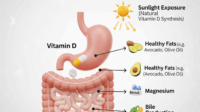
Vitamin D is fat-soluble, which means your body absorbs it more efficiently when there’s dietary fat present. When you take a supplement, your digestive system is already gearing up—enzymes, bile secretion, and intestinal transporters all play their part. Coffee enters that story as an aromatic stimulant, primarily through caffeine and polyphenols.
It’s not that coffee instantly “cancels” vitamin D. Rather, the timing question is about whether coffee could interfere with the absorption process or your stomach comfort long enough to reduce uptake. For most people, the effect—if present—is modest. Yet the safest approach is to create a small buffer that protects absorption and reduces gastrointestinal irritation.
If you’re the type of reader who likes bottom-line clarity: many people can drink coffee soon after taking vitamin D without meaningful issues, especially if the supplement is taken with a meal. For extra caution, spacing by 30–60 minutes is a common practical strategy.
General Rule of Thumb: The 0–60 Minute Window
Let’s translate the physiology into real-world habits. If you take vitamin D with breakfast or lunch, you’re already supporting absorption with food—often the most important “timing lever.” In that situation, drinking coffee at the same time or shortly afterward usually isn’t problematic for most healthy adults.
However, if your vitamin D is taken on an empty stomach, the narrative changes slightly. Coffee can increase stomach acidity and may cause some people to feel nauseated or unsettled. That discomfort can lead to reduced tolerance of the supplement and a less consistent routine—which matters more than the hypothetical chemical interaction.
A practical approach looks like this:
With a meal: coffee can typically be consumed immediately or within about 0–30 minutes.
Without a meal: wait about 30–60 minutes, especially if you’re sensitive to caffeine or acid reflux.
Short sentence, long impact: consistency beats precision. If your routine is easier, it’s more likely you’ll maintain it.
What Form of Vitamin D Changes the Answer?
Not all vitamin D supplements behave the same way. The two most common forms are cholecalciferol (vitamin D3) and ergocalciferol (vitamin D2). Both are fat-soluble, but brands vary in how they’re formulated—some use oils, some use medium-chain triglycerides (MCTs), and some use fortified delivery systems.
Many readers will wonder whether “drops,” “softgels,” or “gummies” shift the timing. In general:
D3 softgels or oil-based drops: often absorbed best with fat-containing food. Timing matters most when taken without a meal.
MCT-based formulations: may support smoother absorption even with less dietary fat, though taking them with food remains sensible.
Gummies: absorption still benefits from meals. Also, gummies can be gentler on the stomach, so caffeine spacing matters less for comfort, though not always for absorption.
Rarely, a person has a sensitive stomach or a history of reflux. In those cases, waiting 45–60 minutes can improve tolerability regardless of formulation.
Coffee Type and Brewing Style: More Than Just Caffeine
Coffee isn’t one substance—it’s a whole orchestra of compounds. Caffeine is the headline, but chlorogenic acids and other constituents can affect digestion and gastric activity. Espresso, brewed coffee, cold brew, and decaf differ in intensity, extraction, and overall chemical profile.
If you drink:
Strong espresso or multiple cups: your stomach may feel “revved up,” increasing discomfort risk. Spacing vitamin D by 30–60 minutes can help.
Light coffee or moderate single-cup dosing: the timing impact is usually minimal, particularly with food.
Decaf: may be a compromise for people who want the ritual without the stimulatory punch.
Think of it this way: the coffee you tolerate is the coffee you should choose. The goal is to keep your supplement routine stable and comfortable.
Empty Stomach vs. With Food: The Real Deciding Factor
For absorption, food is often the most decisive variable. Vitamin D taken alongside a meal has the advantage of stimulated bile flow and available dietary lipids. Your body then treats the supplement like a passenger with a ticket already punched.
If you take vitamin D with a hearty breakfast—eggs, yogurt, avocado, nuts, or any meal with some fat—coffee timing becomes less critical. If you take it with a bland beverage or right before coffee without eating, you may benefit from a buffer.
Here’s a clear “reader expectation” roadmap:
People who take it after breakfast: can usually drink coffee soon afterward.
People who take it first thing before eating: may prefer waiting about 30–60 minutes, or shifting to a meal-based routine.
Short sentence: meal timing often solves the problem more elegantly than waiting for caffeine.
How Much Coffee Makes a Difference?
Quantity can amplify effects. One cup may be fine; three cups may be a different story. Caffeine can influence stress hormones, gastric motility, and perceived acidity. Even if vitamin D absorption remains largely intact, your gastrointestinal comfort—and thus your adherence—may decline.
If you’re sensitive, consider micro-adjustments:
• Drink water before coffee.
• Keep coffee to one serving initially, then evaluate.
• Avoid coffee if you notice nausea soon after supplementing.
These choices are not superstition; they’re behaviorally grounded tactics that protect your daily regimen from friction.
Special Situations: Reflux, Low BMI, and Medications
Some readers live in the “exception corridor.” If you have acid reflux, gastritis, or a history of intolerance to morning coffee, the safest spacing is often longer—around 60 minutes. This reduces irritation and helps you tolerate vitamin D consistently.
People with malabsorption concerns—such as inflammatory bowel disease, celiac disease, or certain gastrointestinal conditions—should be especially deliberate. In those cases, timing may matter less than clinical monitoring, but maximizing absorption becomes the priority. Taking vitamin D as prescribed, with food (and sometimes under guidance with fat intake), is often essential.
Medication interactions also influence the plan. Some drugs affecting lipids, bile, or absorption may require specific administration timing. If you’re on such medications, it’s wise to follow your clinician’s schedule rather than rely on general timing guidance.
Day-to-Day Strategies: Build a Routine That Sticks
You don’t need perfect choreography. You need a routine that you repeat without thinking. Choose a method based on your mornings.
Try one of these pacing templates:
Template A (meal-first): take vitamin D with breakfast, then drink coffee 0–30 minutes later.
Template B (buffer-first): take vitamin D when you get up, wait 45–60 minutes, then drink coffee.
Template C (swap ritual): delay coffee slightly and drink it after your meal is underway; the supplement gets immediate protection from food.
Long sentence with practical meaning: your best timing is the one that preserves both absorption and adherence.
When to Ask for Personalized Advice
Consider individualized guidance if you’re taking high-dose vitamin D, have persistently low levels, have symptoms that suggest poor gastrointestinal tolerance, or you’re managing complex health conditions. Blood testing can clarify whether your intake is working, making timing adjustments more rational and less guesswork.
Even without unusual conditions, you may want personalization if coffee reliably causes nausea, heartburn, or jitteriness. In those cases, spacing vitamin D is less about “chemistry” and more about protecting your comfort.
Conclusion: A Calm Answer, Not a Countdown
So, how long after taking vitamin D can you drink coffee? For many people, the real-world answer is reassuring: with a meal, coffee can often be enjoyed immediately or shortly afterward. Without food, a buffer of about 30–60 minutes is a sensible, comfort-conscious choice. The best plan is the one that supports absorption and keeps your routine consistent.
If you want one final anchor: take vitamin D with some food when possible, then drink coffee when your stomach feels steady. That combination turns a timing question into a sustainable habit.