Some nutrients feel like polite background characters—helpful, yes, but never quite stealing the scene. Others arrive like a plot twist, reframing what you thought you knew about immune support. In today’s wellness conversation, D3 and D2 are often presented as interchangeable supporting actors. Yet the more you look, the more the narrative shifts. The question becomes less about “Do you have vitamin D?” and more about “Which form actually becomes available when your immune system needs it most?” Curiosity sharpens. Expectations change. And the story starts to favor a clear winner.
Rewriting the Immune Equation: Why Form Matters
Immune support is rarely a single-step process. It’s a choreography of signaling, regulation, and cellular readiness. Vitamin D plays a role in this choreography, influencing immune modulation rather than simply “boosting” everything indiscriminately. But here’s the nuance: not all vitamin D forms behave the same once they enter the body.
Think of D2 and D3 as two keys carved with similar patterns. They both aim to open the same door, but one key fits with less friction. That friction—how efficiently the body absorbs, converts, and maintains usable levels—can shape outcomes over time. When immune resilience is the goal, efficiency isn’t a luxury. It’s the difference between a flicker of protection and sustained readiness.
D3 vs D2: The Big Difference in Bioavailability
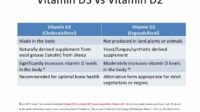
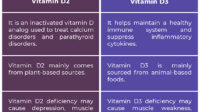
Bioavailability is the silent metric that determines whether a promise becomes a practice. Vitamin D3 (cholecalciferol) is often described as more “steadfast” in raising and maintaining circulating vitamin D levels. Vitamin D2 (ergocalciferol) can also help, but its ability to support longer-term status may be less reliable in real-world use.
To make this feel tangible: picture your blood as a dispatch center. Vitamin D status isn’t just about arriving—it’s about staying in the right queue. D3 tends to occupy that queue more effectively, creating a more dependable backdrop for immune function. Short-term correction can happen with either form, but sustained immune support benefits from consistency.
If you’ve ever had the experience of “it worked… until it didn’t,” this is where the story aligns. A clearer form, a steadier timeline, and fewer drop-offs can translate into a more confident immune strategy.
Conversion Efficiency: From Intake to Usable Signals
After ingestion, vitamin D doesn’t simply “activate” like a switch. It undergoes conversion steps to become usable in the body’s biochemical language. During these transformations, the starting material matters. D3 and D2 are processed through similar pathways, but their end results can differ in how reliably they support vitamin D status.
When your immune system is interpreting signals, it’s relying on an accurate supply of vitamin D metabolites. If the supply fluctuates, the immune system can’t maintain the same tempo. In contrast, D3’s tendency toward more stable status supports smoother communication across immune pathways.
This is where perspective shifts: immune support isn’t just a “level.” It’s a rhythm. And D3 tends to keep the beat more consistently.
Seasonal Reality: Why D3 Holds Up When Sunlight Disappears
Many people imagine vitamin D as a summer-only concept. But winter is when the gap often becomes noticeable: less sunlight, less natural skin synthesis, and a downstream effect on vitamin D levels. Immune support then becomes a matter of continuity.
D3’s reputation for steady maintenance becomes especially relevant when your environment conspires against you. If your routine depends on a supplement bridging darker months, you want the form most likely to keep vitamin D status from sliding.
Imagine a thermostat. A less stable fuel source causes the temperature to swing. A dependable fuel source creates steadiness. D3 is often the steadier fuel.

Immune Modulation vs. Immune Noise
A healthy immune response is not the same as constant activation. Overreactive immunity can be counterproductive. Vitamin D is frequently discussed in the context of immune modulation—helping immune systems respond with appropriate balance.
This matters because “boosting” language can encourage an all-or-nothing mindset. But immune support is more sophisticated: it’s about tuning. D3’s tendency toward stronger and steadier vitamin D status may better support that tuning process, helping the immune system communicate with clarity rather than agitation.
The difference is subtle, but the implications are profound. When immune modulation is supported properly, your body is less likely to operate in extremes. That’s the kind of quiet confidence many people want from their wellness routine.
Dietary and Lifestyle Compatibility: A Practical Advantage
In real life, consistency is the highest-performing supplement “ingredient.” People miss doses, travel, or forget the fine print. They also vary in diet, sleep quality, and stress exposure—factors that influence immune readiness.
For a supplement to be truly useful, it must work with imperfect human behavior. D3’s performance characteristics often make it a more forgiving choice when routines aren’t perfectly executed. That “forgiveness” can be the difference between a supplement that looks good on paper and one that delivers in practice.
If your goal is immune support, the most compelling pitch isn’t hype. It’s dependable results over time—results that align with the body’s needs rather than marketing slogans.
When D2 Might Still Make Sense
It’s worth acknowledging that D2 is not a villain. Some individuals use it successfully, and it can be part of a broader plan—especially if it’s what’s available or already prescribed. Personalization matters, and lab results should guide decisions.
However, the “clear winner” framing is about probability and performance. If two options can both support vitamin D status, the form that more reliably sustains that status becomes the more strategic choice—particularly for those focused on immune resilience.
Ultimately, the most elegant approach is to match the form to the objective: stable immune support, clearer long-term status, and fewer disappointments.
How to Choose with Confidence: Beyond Brand and Buzz
Choosing between D3 and D2 should feel like selecting a compass, not a raffle ticket. Look for clarity: a reputable product, appropriate dosage guidance, and compatibility with your health context. Pay attention to lab values when possible. Vitamin D status can vary widely based on baseline levels, sun exposure, and individual metabolism.
For immune support, the goal is stable vitamin D availability—enough to support immune modulation without letting levels drift. That’s where D3 often earns the advantage.
And yes, curiosity should remain. Ask questions. Track how you feel. Consider re-testing when appropriate. A thoughtful feedback loop transforms supplementation from guesswork into strategy.

The Clear Winner: D3 for Immune Support
If the immune system is a team, vitamin D is the coach’s playbook—delivering instructions that help the team respond appropriately. D3 tends to provide a more dependable foundation for that playbook. The story is not about drama. It’s about consistency, conversion efficiency, and the practical reality of maintaining adequate vitamin D status when seasons change and routines wobble.
D2 can contribute. But when the objective is immune support with a smoother trajectory, D3 is often the clear winner. It shifts the perspective from “vitamin D exists” to “vitamin D is available when the immune system calls.” That subtle change is where the advantage lives.
So the next time you think about immune resilience, consider the form—not just the number. Because in the immune narrative, timing and steadiness are everything.