Some nutrients arrive like diplomats—quiet, strategic, and ready to negotiate. Others arrive like sparks—fast, vivid, and capable of igniting change. When you compare Vitamin D2 (ergocalciferol) and Vegan D3 (typically cholecalciferol derived from lichen), you’re really comparing two messengers tasked with the same mission: strengthening bones, supporting immune function, and keeping your body’s calcium economy in balance. Yet the plot thickens. Absorption efficiency, biological behavior, and even cost structure can dramatically alter the story for different people.
D2 vs Vegan D3: The “Same Mission, Different Courier” Metaphor
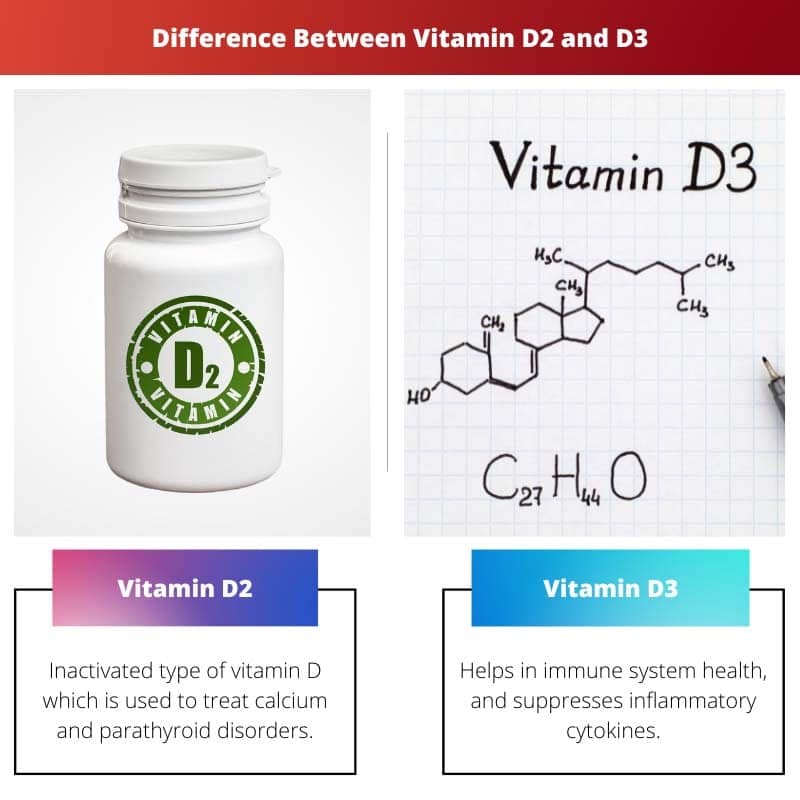
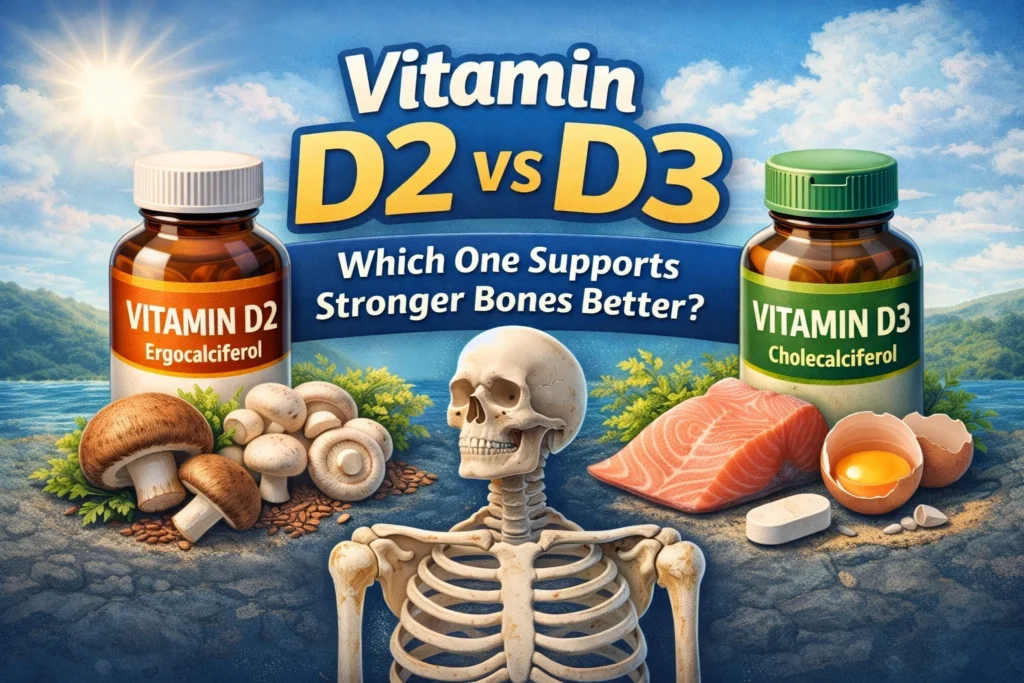
Vitamin D is often treated as one uniform substance, but D2 and Vegan D3 behave like two couriers delivering a package to the same address. The package is “active vitamin D function,” but the courier’s route—how the body absorbs, processes, and retains it—varies. D2 is derived from plant sources and is commonly used in fortification and supplements. Vegan D3 uses a different pathway, usually sourced from lichen, allowing D3’s molecular profile to remain consistent with the kind produced naturally by your skin when exposed to sunlight.
That distinction matters because vitamin D’s journey isn’t only about reaching the bloodstream. It’s also about persistence: how long it continues to influence circulating levels. Think of it as not just delivering the letter, but how long the ink stays readable after it’s stamped.
Absorption Efficacy: How the Body Turns Inactive to Useful
To understand absorption efficacy, picture vitamin D as a raw ingredient that must be converted into usable culinary form. Vitamin D2 and D3 both undergo metabolic transformations, ultimately contributing to the regulation of calcium and phosphate. But the efficiency of that conversion—and the downstream staying power in the system—can differ.
D2 generally shows solid performance in raising vitamin D levels, particularly when taken consistently and at appropriate doses. Still, many people notice that the “plateau” can be reached sooner, meaning more frequent dosing may be required for some individuals to maintain their target status. Vegan D3, on the other hand, often demonstrates a steadier trajectory, which can feel like a smoother escalation rather than a brief sprint.
Biologically, this isn’t magic; it’s pharmacokinetics and receptor-level behavior playing out in real time. D3’s structure aligns closely with what your body already recognizes and utilizes. That familiarity can translate into improved retention of vitamin D in the circulation for certain users, especially in contexts of prolonged supplementation.
Absorption is also influenced by how the supplement is formulated. Oil-based softgels can promote absorption compared with some dry forms. Taking vitamin D with a meal containing fat is frequently helpful, because fat supports transport pathways through the digestive system. Even the best courier struggles if the road conditions are poor.
Retention and Potency: The “Time in the Driver’s Seat” Factor
If absorption is the door you walk through, retention is the time you remain in the room. Vitamin D status isn’t just about how quickly levels rise—it’s about how effectively levels persist between doses. This is where many comparisons between D2 and Vegan D3 tend to concentrate.
Vegan D3 often carries a reputation for maintaining serum vitamin D levels more effectively over time. This can be especially valuable for individuals who want fewer adjustments, fewer “catch-up” doses, or a more predictable maintenance pattern. D2 can still be effective, but the maintenance strategy may differ depending on baseline levels, lifestyle, and how your body responds.
It’s worth noting that “potency” in everyday terms can be shorthand for multiple realities: conversion efficiency, binding behavior to transport proteins, and the duration of impact on vitamin D biomarkers. Two supplements might both raise vitamin D, yet one might do it with a longer-lasting signature.
Unique Appeal of Vegan D3: Ethics Meets Biochemistry
Vegan D3’s appeal isn’t merely ideological—although for many, ethics is the compass. It’s also functional. Lichen-derived D3 offers the molecular consistency of D3 without animal-derived inputs. That matters for people who maintain a plant-based lifestyle or who prefer supplements aligned with personal values.
There’s a certain quiet elegance here: Vegan D3 doesn’t ask you to compromise. It aims to deliver the D3 experience while respecting dietary boundaries. For some, that reduces cognitive friction—no need to choose between effectiveness and principle.
Still, the “best” choice depends on individual goals and tolerability. Some people may respond very well to D2. Others may prefer Vegan D3 for its retention profile and lifestyle fit. The best decision feels like a tailored suit rather than off-the-rack clothing.
Cost Comparison: Dose Economics, Not Just Sticker Price
Cost is where many comparisons become misleading. A bottle’s price alone doesn’t reveal value; the question is cost per effective dose and how reliably it maintains desired levels. If one form requires more frequent dosing to achieve the same maintenance target, it can become more expensive over time even if the upfront price looks lower.
D2 supplements often appear less costly because they’re widely available in bulk and have long-standing manufacturing pathways. Vegan D3 can cost more initially, partly due to sourcing and production complexity. Yet if Vegan D3 offers steadier retention—meaning fewer tablets or less frequent dosing for maintenance—its total cost may narrow considerably for many users.
Think of it like choosing between a cheaper taxi fare and a ride-sharing option with fewer stops. The first option may look cheaper at the curb, but the overall journey can reveal the real arithmetic.
To evaluate cost correctly, compare: (1) the labeled IU or micrograms per serving, (2) how often you need to take it to match your maintenance plan, and (3) whether the product form (oil-based, softgel, liquid) enhances absorption, potentially improving the “value per swallowed serving.”
Formulation Matters: Oil Carriers, Gel Softgels, and Practical Absorption
Vitamin D is fat-soluble. That means the vehicle can be part of the effect. Oil-based softgels, liquid drops in oil, and well-designed emulsions often support better assimilation. If a supplement is formulated poorly, even a “better” vitamin form may underperform simply because it isn’t packaged to travel well through your digestive environment.
Vegan D3 products frequently come in oil-based delivery systems, which can align nicely with absorption physiology. D2 supplements may also be available in diverse formats, but quality varies across brands. Always consider the ingredient list and the serving context—especially whether you’ll take it with a meal.
In a practical sense, adherence is the stealth variable. If a supplement fits your routine and tastes or feels comfortable, you’ll likely take it more consistently—which can outcompete theoretical differences in absorption.
Which Should You Choose? A Decision Framework
Choose D2 if you’re prioritizing budget and you respond well to the dosing schedule, especially under guidance that considers your lab results and follow-up timeline. Choose Vegan D3 if you want the blend of plant-aligned sourcing plus D3’s molecular familiarity, particularly if you’re seeking a steadier maintenance pattern and a supplement that mirrors your values.
For anyone deciding between the two, start with your baseline vitamin D status and your lifestyle constraints. Then align dose strategy with absorption behavior and cost per effective maintenance. You’re not just buying vitamin D—you’re building a long-term system for bone and immune support.
And finally, treat the decision like tuning an instrument. The goal isn’t just “more sound,” it’s the right frequency. Vitamin D2 and Vegan D3 can both produce resonance, but the harmony depends on absorption efficacy, retention time, and the financial rhythm of your routine.