Vitamin D is often described as a “sunshine vitamin,” but the relationship between sunlight and toxicity is more nuanced than the nickname suggests. Yes—your skin can manufacture vitamin D when exposed to ultraviolet B (UVB) rays. No—those same rays are not likely to push you into true vitamin D toxicity for most people. The human body has safeguards built into the photochemistry, and understanding them turns a confusing rumor into a clear, actionable reality.
First, What “Vitamin D Toxicity” Actually Means
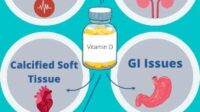
Vitamin D toxicity is essentially a biochemical overreach: excessive vitamin D leads to elevated calcium levels (hypercalcemia) in the bloodstream. Calcium then begins to misbehave—causing symptoms that can range from nausea and constipation to fatigue, confusion, and, in severe cases, kidney stress.
The key idea is that vitamin D toxicity is usually driven by chronic excess—most often from supplements in high doses, not from casual sun exposure. When vitamin D levels rise too high, the downstream effect is not mysterious. It is a predictable endocrine chain reaction: higher vitamin D increases calcium absorption from the gut, and the kidneys may struggle to keep pace.
How Sunlight Produces Vitamin D (and Why It Usually Can’t “Overload” You)
Your skin generates vitamin D (specifically vitamin D3) after UVB radiation triggers photochemical changes in molecules in the epidermis. The process is elegant, but the crucial twist is that it includes built-in braking mechanisms.
As UV exposure increases, the vitamin D precursors do not simply accumulate indefinitely. Instead, they can be converted into inactive compounds. This photoconversion acts like a dimmer switch, not an on/off switch. Longer or stronger exposure may still raise vitamin D levels, but the capacity to keep producing more—and more—tapers off.
In other words, sunlight-driven vitamin D synthesis behaves like a self-regulating system. It is not perfectly predictable for every body type, but it is generally protective against the kind of runaway rise that supplements can cause.
The Difference Between Sun Exposure and Vitamin D Supplements
When people get vitamin D too high, the culprit is usually ingestion. Supplements bypass the skin’s natural moderation. A pill can deliver a bolus dose that your body cannot “discount” in real time the way photochemistry can.
Supplements also allow accumulation. Even if you “feel fine,” vitamin D can persist in fat tissue and circulate over time. This means the risk is less about a single afternoon in the sun and more about weeks or months of sustained high intake.
Some regimens—especially high-dose protocols taken without appropriate monitoring—can overshoot. That is why clinicians often pair vitamin D supplementation with periodic blood testing, such as serum 25-hydroxyvitamin D levels.
Can Skin Still Become a Problem? Sunburn vs. Vitamin D Toxicity
Sunlight can harm you even when it does not cause vitamin D toxicity. Overexposure can lead to sunburn, premature photoaging, and—in the long run—an increased risk of skin cancers. Those risks are well-established and are separate from vitamin D excess.
It’s important to separate two concepts that often get tangled together. Sunburn is an injury caused by UV radiation. Vitamin D toxicity is a metabolic disorder driven by excessive circulating vitamin D and consequent hypercalcemia. The first is immediate and visible; the second is physiological and tends to be chronic.
So while sunlight is generally unlikely to push vitamin D into toxic territory, it still demands respect. The safest strategy is not “maximize exposure.” The strategy is “optimize enough exposure without collateral damage.”
Why “More Sun” Doesn’t Always Mean “More Vitamin D”
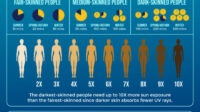
Your skin doesn’t behave like a stopwatch where every extra minute adds a fixed unit of vitamin D. Several factors influence UVB availability: latitude, season, time of day, cloud cover, smog, altitude, and even window glass filtration. Additionally, melanin content affects UV absorption—darker skin typically requires more UVB exposure to produce the same vitamin D response.
As UVB intensity increases, vitamin D synthesis reaches a plateau because precursors are increasingly diverted to inactive forms. That plateau is a key reason why toxicity from sunlight is uncommon.
Still, individual variability exists. Someone with unusual sensitivity, medical conditions affecting calcium metabolism, or concurrent use of high-dose supplements may experience risk sooner than expected. In those scenarios, sunlight is part of the picture, not the only driver.
What About People With Medical Conditions or Medications?
Certain conditions can increase the likelihood of hypercalcemia even without extreme vitamin D levels. Examples include granulomatous diseases (like sarcoidosis) and some genetic or endocrine disorders. In these situations, the body may convert vitamin D more aggressively into its active forms.
Medications matter too. Thiazide diuretics, for example, can reduce urinary calcium excretion, nudging blood calcium upward. If someone is already calcium-prone, even “normal” vitamin D activity from sunlight and diet could become more consequential.
For anyone with kidney disease, a history of kidney stones, or disorders involving calcium regulation, it’s wise to discuss sun habits and vitamin D intake with a clinician. The safest plan is individualized, not generic.
What Risk Patterns Actually Point to Toxicity
Vitamin D toxicity typically emerges from patterns rather than a single event. Look for these signals: prolonged high-dose supplementation, multiple overlapping products (vitamin D plus fortified multivitamins plus separate dosing), and the absence of lab monitoring when taking aggressive regimens.
Symptoms often reflect hypercalcemia. Think persistent nausea, poor appetite, constipation, increased thirst and urination, muscle weakness, and in severe cases, confusion. These symptoms can overlap with other conditions, which is why testing is essential when toxicity is suspected.
If you ever encounter symptoms coupled with high vitamin D intake, the “sunlight” narrative can become a red herring. The more important question is intake history and serum levels.
How to Get Vitamin D Responsibly From Sunlight
Responsible sunlight exposure is about balance and consistency. For many people, moderate exposure a few times per week can be enough to support vitamin D status, depending on skin tone and geographic conditions. Short, repeat exposures may be safer than long sessions.
Consider practicality: after-work outdoor time, brief midday exposure when UVB is available, and clothing that doesn’t fully block the sun. However, remember that sunscreen use has a complicated relationship with vitamin D—sunscreen blocks UVB, reducing skin synthesis, while also reducing cancer risk. If you wear sunscreen, your vitamin D status may rely more on diet and potentially supplementation, based on individual needs.
The best approach is not to chase maximal burn or maximal tanning. It is to aim for adequate vitamin D support while maintaining skin integrity.

Blood Testing: The Most Reliable Way to Know Your Vitamin D Status
Because biology is personal, labs provide clarity. A serum 25-hydroxyvitamin D test is commonly used to evaluate vitamin D status. Calcium, kidney function, and sometimes parathyroid hormone can be assessed if toxicity or imbalance is a concern.
Testing is especially useful if you: take supplements, have limited sun exposure, have darker skin with low dietary vitamin D, live at higher latitudes, or have symptoms suggestive of hypercalcemia. It’s also prudent if you’re on medications affecting calcium balance.
Testing transforms a debate into data. It can prevent guesswork and reduce the temptation to self-correct with ever-higher dosing.
Dietary Sources: The Quiet Partner in Vitamin D Balance
Sunlight is only one lane. Fatty fish, egg yolks, and fortified foods can contribute meaningful amounts of vitamin D. Dietary sources don’t come with the same photochemical variability as sun exposure, but they can still support a healthy baseline.
When vitamin D intake comes from food rather than high-dose pills, toxicity risk typically stays low because the dosage is usually modest. Combining reasonable diet with safe sunlight habits often yields a steadier outcome than chasing sun extremes or taking unmonitored high-dose supplements.
The Bottom Line: Sunlight Rarely Causes Vitamin D Toxicity—But Precaution Still Matters
Can you get vitamin D toxicity from sunlight? For most people, it’s unlikely. Your body regulates vitamin D production when UV exposure increases, converting excess precursors into inactive forms rather than letting levels climb without limit. The greater, clearer dangers from sunlight are skin injury and long-term carcinogenic risk.
Vitamin D toxicity is more commonly associated with supplements, particularly high-dose, prolonged use. If you’re concerned, the most sensible pathway is not panic—it’s measured exposure, attention to total intake, and blood testing when appropriate. Sunlight can be an ally, but it works best when approached with respect, timing, and balance.