Bone spurs and osteophytes often arrive with a familiar script: stiff joints in the morning, a stubborn ache after long activity, and a creeping sense that movement is becoming negotiable. In the middle of this discomfort, many people wonder whether vitamin D—known for its role in bone health—could meaningfully help. The short answer is nuanced. Vitamin D can support bone metabolism and muscle function, but it doesn’t typically “melt away” existing osteophytes. Still, deficiency can worsen musculoskeletal problems, and correcting it may improve overall resilience. Let’s unpack what vitamin D can and cannot do, and what readers can realistically expect from evidence-based approaches.
Understanding Bone Spurs and Osteophytes: More Than “Just Bone”
Bone spurs are bony outgrowths that form along joints and in areas subjected to chronic stress. Osteophytes are a specific type of bone spur most commonly associated with degenerative joint conditions, such as osteoarthritis. Think of them as the body’s structural “edging” at sites of altered mechanics. When cartilage breaks down or joint motion becomes abnormal, the underlying bone may respond by remodeling and producing bony projections.
This remodeling process is not solely about vitamin availability. It also involves inflammation, mechanical loading, genetic predisposition, and the complex signaling between cartilage, synovium, and bone. So while bone spurs are bony, their formation is not simply a nutrient deficiency story.
Where Vitamin D Fits: Calcium, Bone Remodeling, and Cellular Signaling
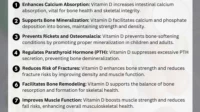
Vitamin D—particularly in its active form—helps regulate calcium and phosphate handling, which are essential for mineralization. It also influences osteoblast and osteoclast activity, the bone-building and bone-resorbing cells. When vitamin D levels are insufficient, calcium absorption declines and the body may compensate by extracting mineral from bone. Over time, this can undermine skeletal integrity and increase vulnerability to pain and fractures.
Vitamin D may also modulate immune and inflammatory pathways. That matters because osteophytes frequently travel alongside degenerative inflammation. Even so, the presence of extra bony growth is not the same as the underlying biochemical deficit that vitamin D addresses.
Can Vitamin D Shrink Osteophytes? What the Evidence Suggests
Most clinical discussions treat osteophytes as a structural outcome rather than a reversible lesion. Vitamin D is not generally positioned as a targeted osteophyte “removal” therapy. If spurs are already formed, the question becomes: can vitamin D slow progression, improve symptoms, or enhance functional capacity?
For many people, correcting vitamin D deficiency can contribute to better musculoskeletal performance. That may translate into less pain sensitivity, improved strength, and steadier gait mechanics—indirect factors that can reduce stress on affected joints. However, shrinking the bony spur itself is less likely.
In practical terms, vitamin D may serve as a stabilizer of the bone environment, not a demolition agent for osteophyte architecture.
Vitamin D Deficiency: A Common Contributor to Pain and Weakness
Low vitamin D levels can be widespread, especially in regions with limited sunlight, among older adults, and in people who spend little time outdoors. Deficiency is associated with muscle weakness, reduced balance, and impaired bone mineral density. When muscles weaken around a joint, the joint may bear more load than it should, which can amplify discomfort.
Some readers notice that back pain, hip tightness, or knee stiffness feels worse during colder months—often correlating with lower sun exposure. Repleting vitamin D can help correct the baseline “terrain,” even if it doesn’t directly rewrite the joint’s anatomy.
Different Types of Content Readers May Expect: The Roadmap to Understanding
Readers typically encounter several content styles when exploring vitamin D and osteophytes. Some pieces emphasize laboratory facts—calcidiol levels, receptor activity, and the calcium-phosphate axis. Others focus on symptom narratives: how pain fluctuates, how morning stiffness behaves, and why strength training changes the experience of joints.
There are also evidence-style articles that summarize outcomes in clinical settings, sometimes with tables comparing deficiency correction to functional measures. Finally, reader-friendly guides often provide “what to do next” steps: screening suggestions, diet ideas, and safe supplementation considerations.
This topic benefits from multiple angles. A scientific lens explains plausibility; a practical lens clarifies expectations. Together, they reduce frustration when people hope for an instant structural fix.
Supplements vs. Sunlight vs. Diet: How People Actually Raise Vitamin D
Vitamin D can be obtained through sunlight exposure, diet, and supplementation. Many diets contribute only modest amounts—fatty fish, fortified dairy or plant milks, and egg yolks are among the more recognizable sources. Yet dietary intake alone often fails to correct low levels reliably, particularly in deficiency.
Supplementation is frequently used because it’s controllable and measurable. Still, dosing should be individualized. Too little is ineffective; too much can be hazardous. Readers are encouraged to treat vitamin D like a calibrated tool rather than a vague wellness habit.
Sunlight can help, but its benefits depend on latitude, season, skin pigmentation, clothing coverage, and the time of day. In many lifestyles, supplementation becomes the predictable bridge between “getting by” and “being replete.”
How to Test: Knowing Your Baseline (and Avoiding Guesswork)
If vitamin D is central to the question, testing should be part of the answer. A clinician may measure 25-hydroxyvitamin D, the standard marker for body stores. Interpreting results usually also considers risk factors such as age, kidney disease, malabsorption syndromes, and concurrent medications.
Testing matters because symptoms can be misleading. Fatigue, aches, and reduced mobility can stem from many causes—rheumatologic conditions, degenerative spine disease, sleep disruption, or medication side effects. Vitamin D may play a role, but it shouldn’t be presumed as the only culprit.
Vitamin D and Joint Health: Indirect Effects That Can Matter
Even if osteophytes persist, vitamin D may influence the conditions around them. Improved muscle strength can alter biomechanics. Better balance can reduce micro-trauma from unstable movement patterns. Enhanced bone mineralization can provide greater structural support.
Osteoarthritis-like processes involve cartilage degradation and synovial inflammation. While vitamin D isn’t an anti-inflammatory drug, it participates in pathways that may influence immune signaling. This could affect how symptoms are perceived and how functional decline progresses—subtly, but sometimes meaningfully.
In short: vitamin D may not erase bone spurs, yet it may change the lived experience of them.
When Vitamin D Is Not Enough: Integrating Pain Relief and Mechanical Strategy
Bone spurs and osteophytes are typically managed with a combination approach. Physical therapy can strengthen stabilizing muscles, improve range of motion, and reduce joint stress. Weight management can lower compressive forces on load-bearing joints. Activity modification—swapping impact-heavy routines for low-impact movement—can reduce flare frequency.
Some people benefit from topical or oral pain control strategies guided by healthcare professionals. Others explore braces, supportive footwear, or targeted exercises. These interventions address the mechanics and inflammation that likely helped osteophytes form in the first place.
Vitamin D may be a supportive layer, not the whole wall.
Safety Considerations: The Risks of Overcorrection
Supplementing without supervision can lead to vitamin D excess, which may raise calcium levels and contribute to problems such as kidney stones or calcification of soft tissues in severe cases. This is particularly relevant for older adults and individuals with kidney impairment.
Readers should avoid “megadose” trends and focus on clinician-guided repletion when deficiency is confirmed. Pairing vitamin D with appropriate calcium intake may be reasonable, but it should be individualized—especially if dietary calcium is already high.
A cautious, measured approach tends to outperform optimistic overreaching.
Practical Expectations: What Improvement Could Look Like
If vitamin D deficiency is present, repletion could produce changes within weeks to a few months: improved muscle performance, steadier balance, and perhaps reduced general aches. For joint-specific osteophyte pain, improvements are often incremental rather than dramatic. People may notice that exercises feel more tolerable, that stairs become slightly less punishing, or that morning stiffness eases modestly.
These benefits are meaningful even when the spur remains. Function and quality of life often matter more than imaging results, which can stay unchanged while symptoms improve.
How Visual and Product-Focused Content Can Help (and When It Misleads)
Readers may come across images and product-like presentations—posters, art, or wellness visuals—that celebrate bone health or joint support. While such content can inspire a positive mindset, it rarely provides clinical guidance about osteophyte mechanics. Still, visuals can be useful for education. For example, diagrams and anatomical illustrations help people understand where osteophytes form and why stiffness occurs.
If a reader is using visual resources to learn, they should pair that learning with evidence-based management: testing vitamin D levels, adopting joint-friendly movement, and consulting clinicians for persistent or worsening symptoms.


Bottom Line: Vitamin D Can Support Bone Health—But It’s Not a Direct Osteophyte Cure
Vitamin D can help when deficiency is present. By supporting calcium handling, muscle function, and bone remodeling, it may improve the conditions that influence musculoskeletal pain and mobility. Yet it is not usually expected to dissolve bone spurs or reverse osteophytes once they’ve formed.
A wise strategy blends vitamin D correction (when needed) with mechanical and lifestyle interventions—strength training, mobility work, weight management, and appropriate symptom control. The goal is not merely to “fight the spur,” but to restore movement confidence and reduce the burden joints carry each day.