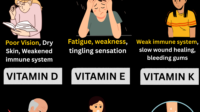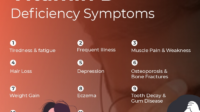
It often begins as a whisper: a faint, needles-and-static sensation in the hands or feet, the kind of tingling that seems to come and go—until it doesn’t. Many people search for dramatic explanations, yet the culprit can be disappointingly mundane. Low vitamin D may not be the first nutrient you suspect, but it can intersect with nerve signaling, muscle function, and immune activity in ways that quietly set the stage for paresthesias. The twist is that the body rarely announces its shortages politely. Instead, it sends fragments—little “ignored signs” that, when stitched together, can reveal a bigger pattern.
Vitamin D and the Nervous System: How Shortfalls Can Echo Into Sensation
Vitamin D is often framed as a bone-and-sunlight nutrient, but its responsibilities are broader and more intricate. Receptors for vitamin D appear in multiple tissues, including those tied to immune regulation and possibly nerve health. When levels run low, the downstream effects can include altered inflammatory signaling and shifts in calcium handling—both of which matter for normal nerve excitability.
Tingling in hands and feet—often described as pricking, burning, or “buzzing” under the skin—can emerge when nerves become hypersensitive or when their environment becomes unstable. Vitamin D insufficiency may contribute indirectly rather than acting as a lone villain. Still, the nervous system is a finely tuned orchestra. Remove one instrument, and the melody changes, sometimes in subtle, disorienting ways.
Because tingling can also be caused by other problems—like B12 deficiency, diabetes, or nerve compression—vitamin D is best considered as part of a larger diagnostic tapestry. But if you’re also experiencing fatigue, bone aches, or muscle weakness, the likelihood of a systemic nutritional imbalance becomes harder to dismiss.
Ignored Sign #1: Unusual Muscle Weakness or “Jelly Legs” Fatigue
One of the most underappreciated clues to low vitamin D is not tingling at all—it’s how your muscles feel. People describe a creeping heaviness in the legs, difficulty rising from a chair, or a vague “drag” during everyday tasks. The sensation can be intermittent, like your body is rationing effort.
Muscle function and nerve signaling are intertwined. If vitamin D is low, muscle performance may decline, and the body may compensate in ways that increase the odds of nerve irritation. Tingling can accompany this because tense or overworked muscles can compress small nerves, while inflammatory shifts can amplify symptom perception.
Pay attention to patterns: Does weakness worsen after periods with less sun? Does it flare during winter, especially in people who stay indoors? The timing can be diagnostic. Your body often telegraphs causes through seasonal choreography.
Ignored Sign #2: Bone or Back Discomfort That Feels “Diffuse,” Not Sharp
Low vitamin D is associated with bone mineral metabolism and musculoskeletal discomfort. Rather than a single pinpoint ache, the discomfort may feel broad—an undercurrent in the lower back, hips, or ribs. Some people call it dull, others call it achy. Either way, it rarely feels dramatic enough to prompt immediate action.
That’s precisely why it gets ignored. Tingling sensations are attention-grabbing; bone discomfort is easy to rationalize as posture, aging, or stress. But when dull aches coexist with numbness, prickling sensations, or “pins and needles,” a nutrient deficiency moves higher on the probability ladder.
Consider tracking symptoms for a couple of weeks. Note sleep quality, sun exposure, dietary habits, and any correlation between discomfort and tingling. A pattern is a map. Without one, symptoms remain a fog bank.
Ignored Sign #3: Increased Susceptibility to Colds and a “Reactivity” Pattern
Vitamin D plays a role in immune regulation. When it’s insufficient, the immune system can become either sluggish or overly reactive—depending on individual factors and coexisting deficiencies. People may notice more frequent respiratory infections or longer recovery times.
How does this connect to tingling? Inflammatory signaling affects how nerves function. The nervous system and immune system constantly communicate through chemical messengers. If immune balance shifts, nerve sensitivity can follow, leading to sensations like tingling, burning, or restless discomfort in extremities.
It’s not that every cold causes neuropathic sensations. Instead, it’s the cumulative tendency—an overall “reactivity profile.” If your body feels like it’s under siege lately, vitamin D deficiency is one of the environmental variables worth evaluating.
Ignored Sign #4: Mood Changes, Brain Fog, or an Unsteady Focus
Tingling doesn’t always feel like a physical event alone. Many people report a concurrent cognitive dulling—brain fog, reduced concentration, or a low-grade anxiety that seems unrelated to anything specific. Vitamin D deficiency has been associated with mood and cognitive complaints in various studies, though the relationship can vary among individuals.
There’s also a practical psychological component: chronic odd sensations increase stress, and stress can worsen nerve sensitivity. The loop tightens. Tingling may amplify anxiety; anxiety may heighten symptom perception; and fatigue from both can intensify everything.
If your mood has shifted alongside bodily changes—especially during months with reduced daylight—consider that your body might be speaking in a dialect that includes both mind and muscle. Not every deficiency announces itself as a single symptom. Often it arrives as a chorus.
Ignored Sign #5: Calcium-Related “Body Static” and Muscle Cramps
Low vitamin D can influence calcium absorption. Calcium is crucial for nerve signal transmission and muscle contraction. When calcium handling becomes inefficient, some people experience muscle cramps, spasms, or twitchy discomfort. Others may notice tingling as part of a broader “neuromuscular irritability” picture.
This is where the plot can thicken quickly: tingling in hands and feet plus muscle cramps or twitching can suggest electrolyte or nutrient issues rather than purely nerve compression. It doesn’t guarantee vitamin D is the cause, but it increases the urgency to assess relevant markers.
Some people also experience sensations around the mouth or face when calcium is involved—though that’s not universal. If symptoms escalate or include weakness, confusion, or severe muscle spasms, it’s wise to seek medical evaluation promptly.
When It’s More Than Vitamin D: Differential Clues You Shouldn’t Ignore
Vitamin D is a plausible contributor, but tingling hands and feet can originate from several places. Vitamin B12 deficiency is a common one, especially in people with low animal-food intake, digestive disorders, or long-term metformin use. Diabetes or prediabetes can cause peripheral neuropathy, often accompanied by gradual worsening over time.
Nerve compression from posture, repetitive strain, or spinal issues can create tingling that follows certain triggers—like phone use, prolonged sitting, or sleeping positions. Thyroid dysfunction and autoimmune conditions may also play roles. Even anxiety and hyperventilation can mimic tingling by altering carbon dioxide levels and blood flow dynamics.
The best approach is not to “diagnose yourself into a corner.” Instead, gather data: symptom timing, triggers, distribution (both sides vs. one side), and whether there’s associated weakness, balance changes, or numbness. These details help distinguish a nutrient-related pattern from a neurologic or metabolic one.
How to Confirm It: Testing, Timelines, and Practical Next Steps
If low vitamin D is suspected, a clinician can order a blood test for 25-hydroxyvitamin D, often the most informative measure. Depending on your symptoms and health history, they may also check calcium, magnesium, parathyroid hormone, and markers relevant to neuropathy risk—such as B12 and glucose or A1C.
Supplements should be approached carefully. Vitamin D dosing varies by baseline levels, body weight, dietary intake, and medical context. The goal is not to “take extra” indefinitely, but to correct deficiency safely. Improvement isn’t always immediate. Some people notice changes in muscle discomfort or fatigue within weeks; nerve-related sensations may take longer, particularly if the tingling has been present for months.
When you start a plan, watch for both improvements and red flags. Red flags include rapidly worsening numbness, significant weakness, loss of coordination, or symptoms spreading upward. Those warrant urgent assessment.
Bringing It Back to You: A Shift in Perspective That Can Change Everything
Imagine your symptoms as a set of postcards sent from the body’s interior. Tingling is the loudest message, but it may not be the first one. Low vitamin D can be part of the storyline—especially if it aligns with seasonal patterns, muscle weakness, bone discomfort, mood shifts, immune reactivity, and signs of calcium-related irritability.
The most empowering shift is this: stop treating tingling as a standalone nuisance. Treat it as a clue. A clue invites investigation. Investigation replaces guesswork with clarity, and clarity reduces the mental strain of uncertainty.

Closing Thoughts: Curiosity with Care
If you’re experiencing tingling hands and feet, the question isn’t only “What is causing it?” The deeper question is “What patterns does my body keep repeating?” Low vitamin D can be one of those patterns, particularly when tingling travels with fatigue, musculoskeletal aches, mood changes, immune instability, and hints of calcium imbalance.
Curiosity can be a form of self-respect. With the right tests, a thoughtful plan, and attention to accompanying signs, tingling can move from a persistent mystery to a manageable, evidence-based focus.