Vitamin D is often described as a “sunshine vitamin,” but in practice it behaves more like a carefully escorted guest at a banquet: it needs the right environment to be properly absorbed. One of the most reliable environmental factors is dietary fat. Pairing vitamin D with fatty foods can improve uptake, support steady blood levels, and help you avoid the frustrating cycle of “I took it, but I don’t know if it worked.” Timing matters too—yet the most important variable is usually how your meal composition creates the conditions for absorption.
Why Fatty Foods Improve Vitamin D Absorption
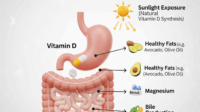
Vitamin D belongs to the fat-soluble family, which means it travels with dietary lipids and relies on digestion pathways that handle fats. When you consume vitamin D alongside fat, bile secretion and micelle formation become more active, helping the vitamin integrate into absorption processes in the small intestine.
Think of fat as a carrier network rather than merely “extra calories.” This is why people who take vitamin D on an empty stomach may experience inconsistent results, especially if their overall daily fat intake is low. Some readers report relief after switching from plain water and tablets to a meal-based routine. Others notice fewer symptoms linked to deficiency—like low mood or persistent fatigue—after absorption improves.

Best Time of Day: Morning, Lunch, or Dinner?
There isn’t a single universal “best” time of day, but there are practical windows where consistency becomes easier. The optimal time is often when you’re most likely to eat a meal that includes some fat. Morning works well for those who naturally have breakfast. Lunch suits people with structured schedules. Dinner is an excellent anchor for evening routines.
Short version: choose a time you can repeat.
Long version: vitamin D absorption is influenced by your meal’s composition more than the clock. If your morning is rushed and fat-light, taking it at lunch or dinner can be more sensible. If your evenings are irregular, breakfast may provide better adherence. A routine that feels almost automatic tends to outperform a “perfect plan” that you only follow occasionally.
How Much Fat Is “Enough” for Effective Pairing?
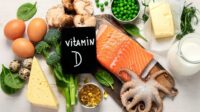
You don’t need a high-fat diet to benefit from vitamin D. What you need is the presence of dietary lipids in the meal that accompanies your dose. Even moderate fat—such as olive oil, nuts, cheese, or eggs—can help create absorption-friendly conditions.
Readers often ask whether they should intentionally take vitamin D with a heavy, greasy meal. That approach can backfire by causing discomfort, nausea, or reflux. The better strategy is “smart fat,” meaning foods that contribute both flavor and supportive nutrient profiles.
When planning meals, think in terms of balance: add a modest portion of healthy fat rather than turning the meal into a calorie event.
Examples: Taking Vitamin D with Common Fatty Foods
Below are practical examples that translate the concept into everyday choices. These are designed to be realistic, not clinical. Pick the scenario that fits your habits, not the scenario that sounds ideal on paper.
1) Eggs and Avocado
Breakfast can be a clean, effective pairing. A serving of eggs (scrambled, omelet, or boiled) combined with avocado provides both fat and satiety. Take vitamin D during or immediately after eating.

2) Greek Yogurt with Nuts or Granola
Many people enjoy vitamin D with a dairy-based meal because yogurt naturally contains fat (especially if you choose whole-milk varieties). Add walnuts, almond slices, or granola for an absorption-boosting combination.
For those who prefer lactose-free options, fortified lactose-free yogurt can still work well, provided the product contains some fat.

3) Salmon or Sardines with Olive Oil
Dinner is a powerhouse time slot for vitamin D. Fatty fish like salmon and sardines offer omega-3 fats and a rich meal texture. Pair your dose with the meal itself—during the first half or right after finishing—so it coincides with active digestion.

4) A Morning Smoothie (With Added Fat)
Smoothies can be tricky—some are almost entirely fruit and water. To make them vitamin D-friendly, include a fat source such as peanut butter, chia seeds, or full-fat yogurt. The result is thicker, more satisfying, and more absorption-supportive.
Keep it simple: add one fat component, then take the supplement with the smoothie.

5) Cheese, Whole-Grain Toast, and Fruit
For readers who prefer lighter meals, a modest fat pairing can still work. A small serving of cheese with whole-grain toast and fruit creates a steady digestion rhythm without overwhelming heaviness. Take vitamin D alongside the meal, not hours earlier.
6) Rice Bowls with Tahini, Coconut, or Avocado
Globally inspired meals are easy wins. Tahini-based sauces, coconut milk, and avocado toppings create a fat-friendly environment. Bowl meals also encourage consistent timing because they’re eaten more slowly, giving digestion time to coordinate with nutrient uptake.

Water, Milk, or Coffee: Does the Beverage Matter?
The beverage can matter indirectly. Vitamin D is typically best taken with a meal rather than only with a drink. Water is fine, but milk (especially whole milk) may provide additional fat depending on the product. Coffee is not inherently problematic, yet it can reduce appetite or alter meal timing—so the real question is whether you’ll still eat a fat-containing meal.
Short guideline: take the capsule or drop with your meal, and use your usual drink. The meal does most of the work.
How to Use Supplements Form Correctly (Capsules vs. Drops)
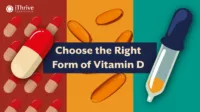
Vitamin D supplements often come as capsules or liquid drops. Drops can be easier to incorporate into food routines: you can place them directly into yogurt, a spoonful of nut butter, or a smoothie. Capsules are straightforward, but meal timing becomes the key variable.
In both formats, consistency is more influential than micro-optimizing minutes. Many readers do best with a “during the meal” practice: swallow the supplement as you eat rather than before hunger starts.

Common Mistakes That Undermine Absorption
Several habits can sabotage results even when the supplement is correct. Taking vitamin D on an empty stomach is the headline mistake. Another is pairing it with a meal that’s nearly fat-free. A third is inconsistency—sporadic intake can create fluctuating levels that feel like “no effect,” especially over the long term.
Also watch for meal patterns that change drastically day to day. If you eat breakfast one day and skip it the next, your vitamin D timing may become random. A consistent anchor meal—often lunch or dinner—helps stabilize the routine.
Who Should Be Extra Careful with Timing and Fat Pairing?
Some readers need a more customized plan. People with malabsorption conditions, certain gallbladder or liver issues, or gastrointestinal disorders may not absorb fat-soluble vitamins reliably even with improved meal pairing. In those cases, timing with meals may help, but it may not fully solve the issue.
Pregnancy, endocrine conditions, and those taking specific medications also benefit from professional guidance. The goal is not to “outsmart” the body, but to align supplement intake with digestion capacity and overall treatment strategy.
What Readers Can Expect After Starting
Expect a gradual story, not an overnight transformation. Blood levels typically rise over time, and symptoms—when they shift—often follow a slow cadence. Some people notice improved mood or energy indirectly because better vitamin D status can support overall wellness pathways.
The clearest sign that the strategy is working is objective follow-through: steady intake with fat-containing meals, followed by lab monitoring when appropriate. Consistency turns supplementation from a gamble into a routine.
A Simple Routine You Can Start Today
Choose one dependable meal, then attach vitamin D to it. For example: take it with eggs and avocado at breakfast, or with salmon and olive oil at dinner. Keep the routine steady for weeks, and track whether the pairing feels comfortable and sustainable.
Fat-soluble vitamins reward coordination. When your supplement meets your meal in the right digestive window, it stops being a hopeful act and becomes a well-tuned practice.