Vitamin D is often framed as a sunshine nutrient—something you “top up” and then forget. But in real human biology, it behaves more like a guarded library: even when supplements arrive at the doorstep, certain medications can alter the hinges, misfile the books, or reroute the return path. The result can be persistently low vitamin D levels, despite diligent dosing. Below are seven medication categories that can lower vitamin D levels (even when supplements are taken), along with the intriguing mechanisms behind the curtain.
1) Glucocorticoids (Prednisone and Friends)
Glucocorticoids don’t just quiet inflammation—they can quiet the “fertilizer” systems that help vitamin D function. These medications may reduce vitamin D production indirectly by influencing metabolism and shifting how the body handles calcium and bone turnover. In simpler terms, the body may still receive supplemental vitamin D, but its downstream orchestration can become less efficient.
Long-term steroid use is particularly notorious. It can contribute to bone demineralization, and vitamin D levels may drift downward in parallel. Consider this like placing a candle in a drafty room: the flame exists, yet the environment steals warmth. If you’re using prednisone or similar drugs, monitoring matters because supplementation may not fully counterbalance the biological “signal dampening.”

2) Anticonvulsants (Especially Enzyme-Inducing Options)
Some seizure medications have a striking reputation: they can accelerate the body’s metabolic assembly line. Enzyme-inducing anticonvulsants—such as phenytoin, carbamazepine, phenobarbital, and primidone—can enhance hepatic enzymes that metabolize vitamin D, leading to lower circulating levels. Think of your liver as a customs office. When certain medications activate “fast-track processing,” vitamin D can be stamped and shipped out before it has time to exert its effects.
This effect can be subtle at first. A person takes supplements diligently, yet blood levels remain stubbornly low. The key nuance is that supplementation supplies the input, but medication changes the tempo of clearance and conversion. Clinicians often respond by tailoring dosing and encouraging periodic lab surveillance rather than assuming a standard regimen will hold steady.
3) HIV Antiretroviral Medications (Certain Agents)
In the landscape of HIV treatment, medications can reshape metabolic pathways and influence how vitamin D is processed. Some antiretroviral therapies are associated with lower vitamin D levels, partly through effects on vitamin D metabolism and partly through the broader physiology of chronic infection and inflammation.
Here the story feels less like a single blocked door and more like a crowded hallway. Multiple signals—viral activity, immune changes, medication effects—can converge, making vitamin D regulation less predictable. Supplementation may help, but the “best target” dose can vary widely depending on the specific regimen and the patient’s baseline vitamin D status.
4) Tuberculosis Treatments (Rifampin and Related Drugs)
Rifampin is a potent example of how antimicrobial therapy can alter vitamin D status. Like certain anticonvulsants, rifampin can induce hepatic enzymes, increasing the breakdown of vitamin D and reducing the amount available in circulation. It’s a reminder that medications can behave like molecular accelerants.
When vitamin D drops during TB treatment, it’s not simply “lack of sunshine.” It’s biochemical acceleration: vitamin D is being metabolized faster than expected. For people undergoing TB therapy, clinicians may consider higher or carefully adjusted supplementation strategies, often accompanied by calcium and bone health evaluation—because vitamin D is only one piece of the skeletal mosaic.
5) Cholesterol-Lowering Medications (Bile Acid Sequestrants)
Not all vitamin D problems originate from metabolism. Some originate from absorption. Bile acid sequestrants—such as cholestyramine and colestipol—bind bile acids in the gut. Since fat absorption can be impaired, fat-soluble vitamins like vitamin D may receive less uptake.
Imagine vitamin D as a traveler who needs the right gateway to enter the bloodstream. Bile acids act as a kind of ferry system for fat absorption. Block the ferry, and the traveler arrives late—or not at all. Even with supplements, if the medication interferes with absorption timing and efficiency, vitamin D may remain low.
Spacing doses may sometimes help, but the most reliable approach is to monitor levels and coordinate timing with healthcare providers. This ensures supplements are not merely swallowed, but actually absorbed.
6) Weight-Loss Medications and Fat Malabsorption Pathways (Orlistat)
Orlistat and similar agents can reduce fat absorption by inhibiting digestive enzymes involved in breaking down dietary fats. Because vitamin D is fat-soluble, lower fat absorption can translate into lower vitamin D uptake. The paradox is sharp: a medication aimed at weight management can inadvertently mute nutrient absorption.
Here vitamin D isn’t “running out” so much as being locked behind an absorption bottleneck. The body may exhale more of the unabsorbed fat—like a drain taking away valuable cargo. While many patients are advised to take fat-soluble vitamins, the reality is that the effectiveness depends on formulation, dosing timing, and overall absorption dynamics.
Vitamin D supplementation may help, but the path is rarely linear. Monitoring is crucial because individual absorption varies.
7) Orchestrators of Stomach Acid and Drug Interactions (Long-Term PPIs and Related Agents)
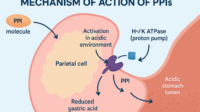
Proton pump inhibitors (PPIs) such as omeprazole, esomeprazole, and pantoprazole reduce stomach acid. Stomach acid plays a role in liberating certain nutrients from food matrices and may influence the absorption environment for some compounds. Over long periods, PPIs have been associated with lower vitamin D levels in some populations.
This mechanism is often described as indirect and multifactorial. It can involve changes in absorption efficiency and interactions with other medications or conditions. Picture a dimmer switch rather than a light switch. Acid suppression may not fully extinguish vitamin D absorption, but it can lower the glow.
If you take PPIs chronically—especially alongside other risk factors—periodic testing can clarify whether supplements are compensating adequately. Sometimes the issue isn’t the supplement itself, but the internal logistics that determine how much reaches the bloodstream.
What “Lower Vitamin D” Really Means: Active Form, Not Just a Number
Vitamin D monitoring typically measures 25-hydroxyvitamin D, a storage form that reflects overall status. But medications can affect conversion to active metabolites or influence vitamin D receptor signaling indirectly. That means two people can share a similar lab value yet experience different physiological outcomes depending on liver and kidney function, inflammation, and medication effects.
In practice, the goal is both numeric and functional. Low vitamin D levels can echo through bone remodeling, muscle performance, and immune signaling. The “intriguing appeal” of this topic lies in its choreography: vitamin D is not a lone actor—it’s a conductor responding to many musicians, including medications.
Practical Strategies When Taking Medications That Can Lower Vitamin D
If any of the seven categories apply to your situation, don’t rely on assumptions. Start with a plan: confirm your baseline vitamin D level, then discuss a supplementation strategy aligned with medication effects. Sometimes the best response is not more vitamin D “blindly,” but smarter timing, appropriate dosing, and follow-up labs.
Also consider related nutrients. Calcium status, magnesium levels, and overall dietary fat intake can influence outcomes—especially when absorption is part of the problem. Short and long sentences matter here: short, because lab checks can be straightforward; long, because biological systems are rarely simple.
Ultimately, medication can be both a shield and a sculptor. It treats the primary condition, but it may also carve pathways that reduce vitamin D availability. With attentive monitoring and coordinated supplementation, you can keep vitamin D from slipping out of view—even when the body is being tuned by drugs.
-200x112.jpg "天気による1日の気温の変化(問題)")