It’s a familiar scene: a shower curtain fogs with steam, hair gathers where it shouldn’t, and suddenly you’re reading labels like a detective. You don’t just want “products.” You want answers with a spine of evidence. Among the many suspects in hair loss, vitamin D is the one that keeps reappearing—quietly, almost mysteriously. And yet it’s rarely the first lab value patients are offered. That’s exactly where a dermatologist’s perspective changes the narrative: by testing vitamin D, they can move beyond guesswork and begin treating the root of the problem, not only the surface.
Hair Loss Looks Simple—Until the Biology Starts Talking
Most people assume hair loss is one-track. Stress, aging, hormones, genetics—case closed. But hair follicles are tiny organs with a surprisingly orchestral workload. They cycle through growth and rest phases, respond to inflammatory signals, and require a steady supply of micronutrients to maintain the choreography. When the system falters, shedding may accelerate, density may wane, or texture may turn brittle. The common observation is that “hair loss is hair loss.” The deeper reason fascination builds is that the same outward symptom can be driven by different internal mechanisms.
Vitamin D doesn’t just sit in the bloodstream. It functions like a regulatory messenger—interacting with immune pathways, keratin production, follicular cycling, and the local environment of the scalp. If vitamin D status is suboptimal, the follicle’s behavior can change. A dermatologist knows that this is not a vague correlation; it’s a plausible biological lever that can be tested.
The Dermatologist’s Role: Turning Frustration into a Measurable Plan
A dermatologist doesn’t treat by vibes. They treat by pattern recognition plus laboratory confirmation. When hair loss persists—especially with diffuse shedding, visible thinning at the part, or a gradual decline—testing becomes an ethical choice. It prevents the endless cycle of “try this, stop that” without understanding what the body is signaling.
Vitamin D testing offers an added advantage: it can be paired with a broader hair-loss panel. Often, deficiencies overlap. Someone with low vitamin D may also have other imbalances that contribute to shedding, delayed regrowth, or fragile shaft quality. The dermatologist can interpret vitamin D not as an isolated culprit, but as a piece of a larger metabolic puzzle.
Why Vitamin D Is So Entangled with the Scalp
The scalp is not merely skin. It’s an ecosystem. Hair follicles require local immune tolerance, appropriate vascular support, and a signaling environment that encourages growth. Vitamin D participates in immune modulation, helping govern inflammatory tone. Inflammation is one of the stealth routes to hair loss. Even subtle chronic inflammation can nudge follicles toward the resting phase, reducing growth density over time.
Consider how the immune system behaves: it can be overzealous, underachieving, or simply misdirected. Vitamin D supports a balancing act—an immunoregulatory “brake system.” When vitamin D levels are insufficient, that brake may feel less effective. The result can be more pronounced shedding, slower regrowth, or scalp conditions that coexist with hair concerns.

A Common Observation: “I’m Eating Fine”—But Absorption Can Still Fail
Many people believe they’re covered because they eat “healthily.” Yet vitamin D isn’t solely about diet. It’s strongly influenced by sun exposure, skin pigmentation, latitude, seasonality, sunscreen habits, clothing coverage, and even time spent indoors. Some individuals may consume vitamin D-rich foods without achieving adequate blood levels, while others barely consume them yet still maintain sufficient status due to frequent sunlight.
This is where the dermatologist’s testing is so compelling. Hair loss often becomes a labyrinth of assumptions. Someone might be diligent with nutrition, but still run low due to lifestyle and physiology. Testing interrupts the guessing loop. It gives direction. It transforms an observation—“my hair is thinning”—into a structured explanation: “your hair follicles may be responding to a nutritional signaling shortage.”
Deeper Reasons Dermatologists Test: The “Correlation Isn’t Enough” Mindset
It’s tempting to think, “Vitamin D is associated with hair loss, so supplementing will help.” But dermatology prefers precision. Supplementation without knowledge can be ineffective, inconvenient, or potentially risky if doses are misestimated. Moreover, hair loss has multiple etiologies: androgenetic alopecia, telogen effluvium, alopecia areata, scarring alopecias, thyroid disturbances, iron deficiency, medication effects, and more.
Testing vitamin D is a way of separating plausible contributors from confirmed ones. It also helps doctors establish timelines. Vitamin D deficiency may have developed months earlier, aligning with delayed hair shedding patterns. Hair doesn’t always react instantly. Follicles can respond slowly, and the body often keeps quiet until the consequences appear on your hairline or scalp.
Interpreting Results: What “Low” Actually Means for Follicles
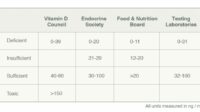
After a blood test, the dermatologist examines vitamin D in context. Levels can vary by lab range, baseline health, and coexisting conditions. The clinician may also assess related markers such as calcium balance, parathyroid hormone activity, and concurrent deficiencies that influence hair cycling.
One of the most important points is this: even if vitamin D is not the only factor, correcting it may create a more favorable environment for other treatments to work. Think of it as re-tuning the stage lights. If the lighting is wrong, the performance looks off—even with good actors. If vitamin D is corrected, follicles may regain resilience and respond more optimally to hair restoration strategies.
Beyond Supplements: A Treatment Strategy That Respects the Whole Person
Dermatologists rarely think of vitamin D as “take and forget.” They consider the dosage, duration, and monitoring cadence. They may recommend safe sunlight practices, dietary adjustments, and—when appropriate—tailored supplementation. The goal is normalization, not maximal dosing.
They also monitor how hair changes over time. Hair regrowth is not a quick sprint. It is an often slow, cyclical phenomenon. The dermatologist may combine vitamin D correction with other evidence-based approaches depending on the clinical picture—scalp therapy for inflammation, topical options to stimulate follicles, or systemic treatments when indicated.
Who Should Be Tested? Patterns That Often Point to Deficiency
Vitamin D testing is particularly relevant for individuals with higher risk of deficiency. These include people with limited sun exposure, those who cover most skin for cultural reasons, individuals with darker skin tones living in low-sun regions, older adults, people with malabsorption disorders, and those who frequently experience fatigue or musculoskeletal discomfort alongside hair changes.
Additionally, hair loss is sometimes accompanied by systemic clues—weight fluctuations, menstrual changes, thyroid symptoms, or persistent tiredness. A dermatologist connects these dots. Vitamin D becomes part of a broader diagnostic tapestry rather than a standalone guess.
What to Expect After Testing: A Clearer Roadmap, Not a Miracle Promise
After vitamin D testing, the most reassuring outcome is clarity. If levels are low, the next step is correction with appropriate dosing and monitoring. If levels are normal, that information still matters. It helps narrow the differential diagnosis and redirects attention toward other mechanisms—iron stores, thyroid function, androgen regulation, or autoimmune processes.
In both cases, testing reduces emotional chaos. It replaces “maybe” with a plan. And that plan can incorporate timeframes, follow-up labs, and an assessment of hair response. Dermatology works best when expectations are calibrated. Hair improves when biology is given the right conditions—and when treatment decisions are grounded in measurable data.
Taking Action: The Appointment That Can Change the Direction of Your Hair Journey
Hair loss can feel personal, almost accusatory. But it is rarely only about the hair. It’s often about the body’s internal environment and the scalp’s ability to host growth again. A dermatologist testing vitamin D is not chasing a trend. It’s using an unusually practical lever: a blood value that can illuminate deeper reasons behind shedding and delayed regrowth.
If you’ve noticed progressive thinning, increased shedding, or changes at the part or crown, consider asking about a vitamin D test as part of a comprehensive hair-loss workup. The conversation may feel like turning a key in a stubborn lock. And once the mechanism is understood, treatment becomes less like a gamble and more like a deliberate restoration of what your follicles were built to do.