It’s a familiar refrain in plant-based circles: “Vitamin D is vitamin D, right?” The question feels reasonable—until you notice how D2 and D3 behave in the real world. When the conversation turns toward vegan D3 (lichen), something quietly shifts. The choice becomes less about a label and more about molecular behavior, metabolism, and the subtle art of choosing the form your body can actually use. What follows is a guided tour of why lichen-derived D3 often feels like the more luminous option for people living without animal products—and why many find themselves oddly fascinated by the details once they look closely.
The Common Observation: “Vitamin D2 vs. D3 Doesn’t Matter That Much”
Many people start with a simplified mental model: both D2 and D3 are forms of vitamin D, so they must function similarly. That belief is understandable. After all, both are usually discussed under the same broad umbrella of “bone health” and “immune support.” Shortcuts are comforting, and supplements are often presented with tidy equivalences.
But biology doesn’t work like a shopping list. Vitamin D isn’t a finished product—it’s a prohormone that must be metabolized, circulated, and converted in multiple steps before it can exert influence. Even small differences in the original molecule can ripple outward. D2 and D3 share a destination, yet they can take distinct routes—routes that influence potency and longevity.
Why D3 (Lichen) Is a Different Kind of Molecule Than D2
Vitamin D2 comes from ergosterol, a compound found in fungi and yeast. Vitamin D3 is derived from 7-dehydrocholesterol, which is naturally associated with animal biology, but can also be produced from lichen through exposure to UV light. The key point is not the origin story as a moral narrative; it’s the molecular “personality” once the vitamin enters your bloodstream.
D3 has historically been associated with more efficient conversion pathways and sustained activity in circulation. In plain language: the body often handles D3 with smoother consistency. That doesn’t mean D2 is useless. It means that for people optimizing micronutrient intake—especially those with limited sun exposure—D3 tends to be the more reliable companion.
Plant-Based Diets: The Sunlight Gap and the Micronutrient Domino Effect
Plant-based diets can be incredibly nutrient-dense, but vitamin D is not one of the nutrients that plants reliably deliver. Sunlight is the classic provider, and modern life often interrupts that supply. Indoor routines, sunscreen use, seasonal changes, higher latitudes, and darker skin pigmentation can all reduce cutaneous vitamin D synthesis.
When the sunlight gap widens, supplements become less of a “nice-to-have” and more like a quiet structural beam. And when that beam is built from the right material, the whole framework holds better. Lichen-derived vegan D3 is often chosen because it aligns with the reality of how vitamin D needs to be maintained over time.
Metabolism Matters: How Your Body Processes D2 vs. D3
Vitamin D must travel through a conversion sequence involving liver and kidney enzymes. The first conversion creates 25-hydroxyvitamin D, and the second can generate the active hormone form that supports calcium regulation and a range of cellular functions. Here’s where differences become interesting. D2 and D3 don’t merely “exist”—they interact with metabolic machinery differently.
Many people notice that their vitamin D levels respond more robustly with D3 supplementation. Others simply prefer D3 because it feels like the form most closely aligned with the body’s preferred handling. This is where “superior” becomes more than marketing. It becomes a practical expectation: steady absorption, predictable conversion, and a calmer biochemical trajectory.
Higher Bioavailability Isn’t Just a Buzzword—It’s a Practical Benefit
Bioavailability is the bridge between taking a pill and experiencing a measurable effect. If two products deliver the same labeled amount but behave differently inside the body, the outcomes can diverge. People living vegan often aim for precision: avoiding unnecessary fillers, choosing forms that match their physiology, and minimizing variables.
Lichen D3 often gets praised for its performance profile. That doesn’t eliminate the need for blood testing, diet context, and individual variability—but it can reduce the uncertainty. In a world full of guesswork, that’s not a small comfort.
Immune Support and Cellular Signaling: The Deeper Reason People Become Curious
Vitamin D isn’t just a bone-related footnote. It’s a signaling molecule that participates in immune modulation and cellular communication. Immune cells carry vitamin D receptors, and vitamin D influences gene expression related to inflammatory tone and defense readiness.
This is where fascination starts. People see wellness forums fill with stories about seasonal shifts, mood variations, and comfort during winter months. Scientific rigor matters, yet the pattern of interest is understandable: vitamin D seems to sit at the intersection of physiology and everyday experience.
When you choose D3—especially vegan D3 from lichen—you’re selecting a form that tends to maintain more consistent status, which can support the signaling system that depends on steady availability.
Bone Health: Calcium Management, Not Just “Strong Bones”
The conversation about bone health often gets flattened into a slogan. But the actual process is more nuanced. Vitamin D helps regulate calcium absorption in the gut and coordinates with other minerals to maintain bone remodeling balance. Without adequate vitamin D status, calcium intake can be less effective, and the body may struggle to sustain optimal mineralization.
Many plant-based eaters consume plenty of calcium sources—think fortified beverages, leafy greens, tofu set with calcium, and mineral-rich foods. Yet calcium absorption still hinges on vitamin D. That makes the D choice consequential. Lichen-derived vegan D3 is frequently selected because it supports the absorption pipeline with a form that’s often better tolerated and more consistently utilized.
Vegan Integrity: Lichen-Derived D3 Without Compromise
Vegan D3 from lichen resolves a philosophical and logistical dilemma. Plant-based diets are not only about nutrient acquisition—they’re also about ethics, coherence, and ingredient transparency. Animal-derived lanolin supplements exist, but they don’t align with strict vegan standards.
Lichen production offers a pathway to D3 that remains compatible with vegan values. It’s a reminder that “plant-based” doesn’t mean “nature must be chlorophyll.” It means aligning with an ethical and dietary framework while still meeting the body’s biochemical needs.
Product Forms and Dosing: Finding the Right Fit for Real Life
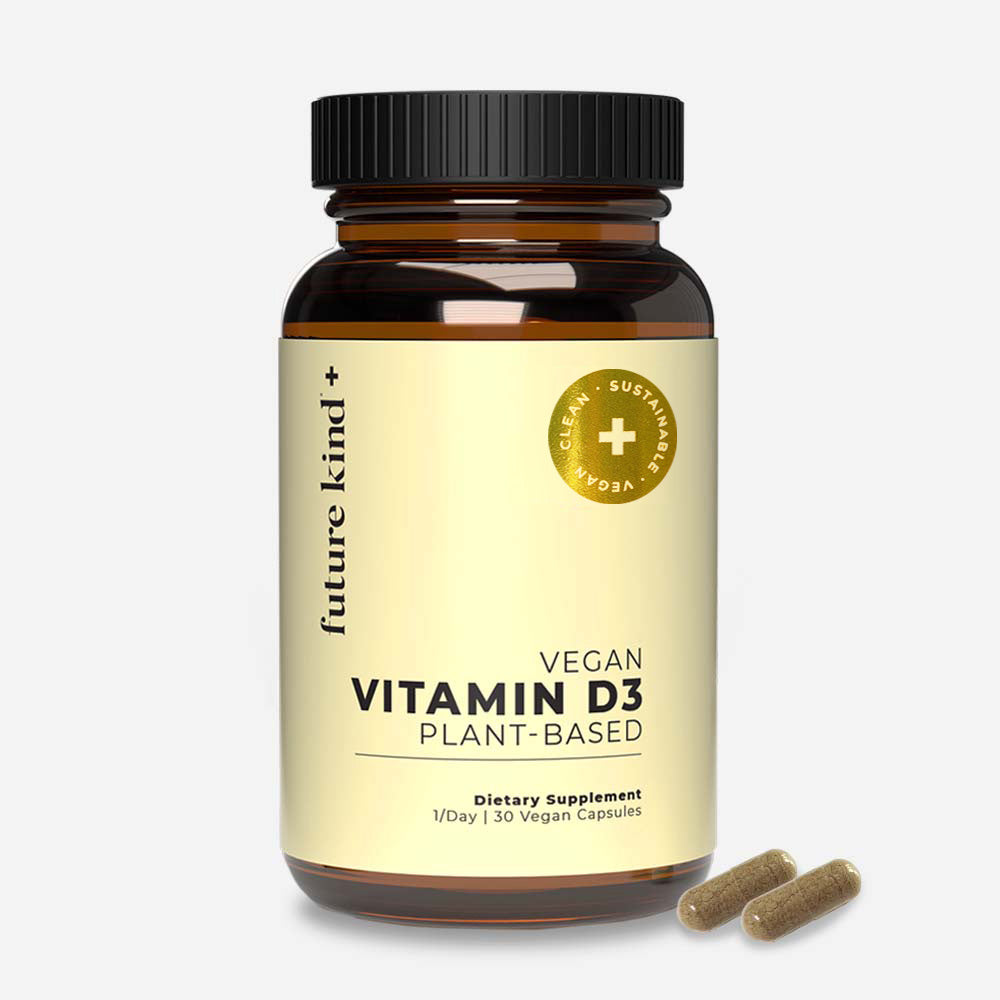
Supplements can come as softgels or capsules, and they may include different strengths depending on baseline vitamin D status. A thoughtful approach often involves starting with a dose that matches your circumstances and then adjusting after lab results.
Because D2 and D3 may differ in how they maintain 25(OH)D levels, dosing strategies can diverge. This is one reason many people gravitate toward D3: it can simplify planning. Still, precision beats certainty. Bloodwork, dietary assessment, and clinician guidance create the most stable path.
K2’s Connection: Why People Pair D3 with K2 in Vegan Routines
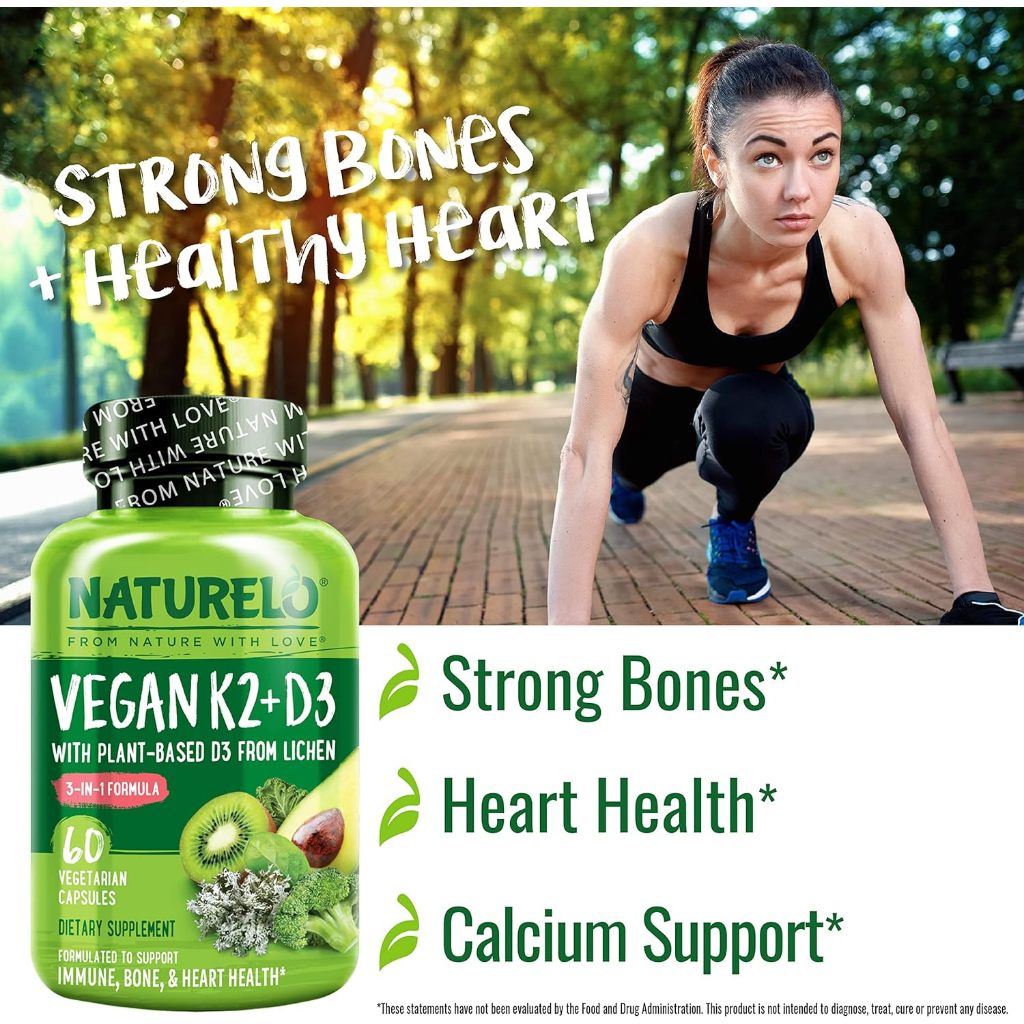
Another thread in the lichen D3 story is the frequent pairing with vitamin K2. Vitamin K2 is involved in directing calcium toward appropriate tissues and away from inappropriate calcification pathways. This creates a choreography: D3 supports calcium availability, while K2 supports appropriate utilization patterns.
Not everyone needs K2 supplementation, but many plant-based users pair it with D3 because the combination makes intuitive physiological sense. If you’re building a nutrient “ecosystem,” the goal is coherence, not random supplementation.
Quality Matters: The Attention to Source and Form That Savvy Shoppers Notice
Once you learn how vitamin D works, ingredient scrutiny becomes oddly compelling. The source of D3 (lichen), the extraction method, the presence of supportive nutrients like K2, and even the capsule design can influence experience. Some people tolerate one formulation better than another. Others prefer products that emphasize plant-based ingredients without unnecessary additives.
Quality is not just aesthetic. It’s about reducing variables so you can observe your body’s response more clearly. That’s why vegan D3 from lichen is often chosen by people who want fewer unanswered questions.
How to Decide: A Calm, Evidence-Forward Approach
Choosing between D2 and D3 doesn’t need drama. It needs a plan. Consider your latitude, season, lifestyle, dietary vitamin D gaps, and whether you’ll measure blood levels. If you’re looking for a vegan option that tends to be handled efficiently by the body, lichen-derived D3 is often the form people return to.
The deeper fascination is this: when you select a vitamin D form that your physiology seems to prefer, the results feel less like a gamble. Your routine becomes more predictable. And in wellness—where “sometimes” is common—predictability is a rare kind of empowerment.

Final Thought: Why D3 (Lichen) Feels Like the More Luminous Choice
Vegan D3 (lichen) is not simply “another vitamin D.” It is a form that often aligns better with how the body converts and maintains vitamin D status—particularly important for plant-based diets navigating a consistent sunlight gap. When immune signaling, calcium balance, and cellular communication all depend on steady vitamin D availability, the details matter more than the label implies.
So the next time someone says vitamin D2 and vitamin D3 are interchangeable, you can gently point to the deeper reason people become curious: biology is not indifferent to molecular nuance. And lichen-derived vegan D3 offers a nutrient choice that feels both ethical and physiologically grounded—bright, steady, and built for the routines of real life.