Vitamin D lives at the crossroads of biology and behavior. It supports immune calibration, bone mineralization, and a host of downstream signaling pathways that rarely make headlines. Many people instinctively think of sunlight as the “natural” solution, yet nature is not always predictable. Weather systems drift. Clothing habits vary. Skin pigmentation alters effective absorption. Seasonal light angles can turn a simple afternoon outing into a near-miss. In that landscape, vitamin D supplements often read like a quieter, more controllable instrument—one that can be safer and more reliable when the goal is consistent vitamin D status.
Why “Sunlight” Isn’t a Dose—It’s a Variable
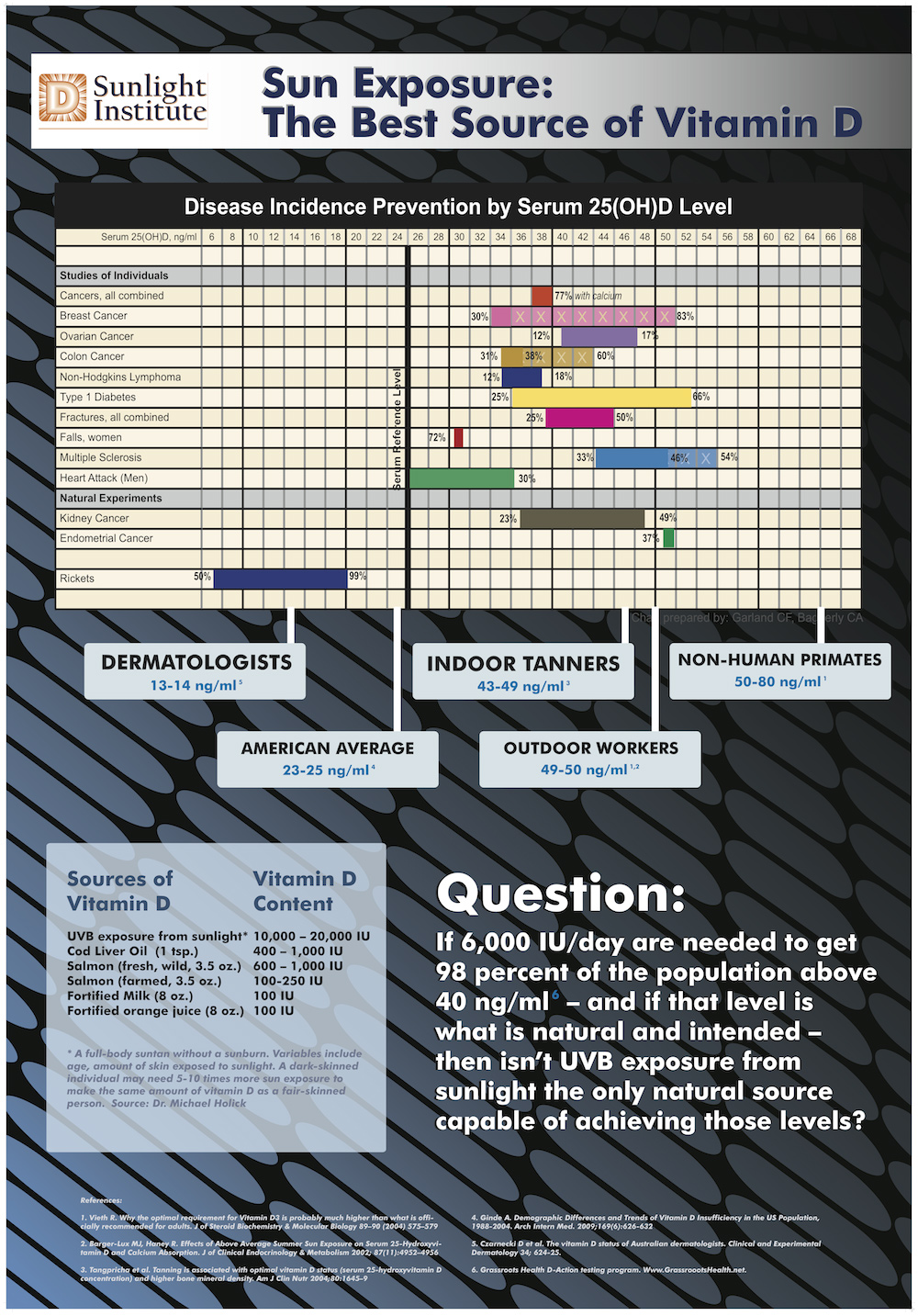
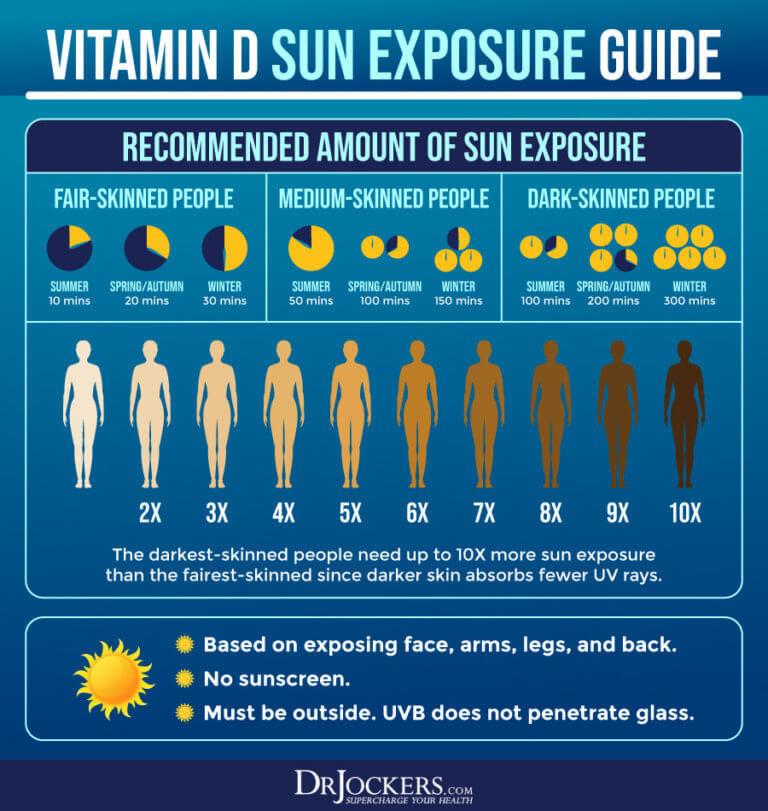
The central reason supplements frequently win on reliability is that sunlight does not behave like a measured nutrient. The dose your skin receives depends on solar elevation, time of day, latitude, cloud cover, air pollution, and even reflective surfaces like sand or snow. A mild-looking day can still deliver an uneven ultraviolet profile, while another day with brighter conditions may not translate to meaningful vitamin D production.
Skin also acts like a biochemical gatekeeper. Melanin-rich skin reduces vitamin D synthesis efficiency, which is helpful from a photoprotection standpoint but complicates reliance on sun exposure for meeting a target. Age further shifts the equation; older skin generally produces vitamin D less effectively. And then there’s time—sun exposure that feels “long enough” to you may be too short at your latitude and too inconsistent across seasons.
Supplements, by contrast, offer a defined quantity. They are not hostage to atmospheric turbulence. Even when taken with imperfect consistency, they usually provide a steadier baseline than intermittent sun exposure.
Safety: Reducing the Tradeoffs of Ultraviolet Exposure
Sunlight is biologically active, but its benefits come bundled with risks. Ultraviolet radiation can damage skin cells, accelerate photoaging, and elevate the likelihood of skin cancers. People often underestimate how quickly repeated exposures can compound. The body does not “audit” ultraviolet damage only at the moment you feel warmed by the sun; the cellular consequences are cumulative.
Supplements allow a different risk profile. Instead of pursuing high ultraviolet exposure to chase vitamin D, you can target vitamin D status while avoiding unnecessary ultraviolet stress. That does not mean supplementation is risk-free—dose matters—but it usually shifts the conversation from uncontrolled radiation exposure to controlled intake.
In practical terms, a supplement regime can be adjusted to fit personal needs and monitored through blood testing. It’s a more deliberate approach, with room for fine-tuning rather than guessing.
Reliability Across Seasons, Climates, and Lifestyles
Vitamin D production is heavily seasonal. In winter months, many regions receive insufficient ultraviolet B (UVB) for efficient synthesis. Even in sunnier climates, lifestyle patterns can block the window: work schedules, indoor time, and sunscreen habits all reduce effective UVB exposure.
Supplements glide over these obstacles. They can remain consistent year-round. A person living in a place with long winters can maintain vitamin D intake through darker months, rather than gambling on unpredictable outdoor exposure. Likewise, individuals who cover their skin for cultural, personal, or occupational reasons can still support vitamin D status without altering appearance or schedule.
Reliability is not just about “getting enough.” It’s about keeping levels in a workable range, minimizing the boom-and-bust pattern that sometimes accompanies sun-dependent approaches.
Understanding the Different Types of Vitamin D Supplements
Not all vitamin D products are identical. The body recognizes two major forms in supplementation: vitamin D3 (cholecalciferol) and vitamin D2 (ergocalciferol). For many people, D3 is favored because it tends to raise blood 25-hydroxyvitamin D more effectively and maintains levels well over time.
Beyond the vitamin form, delivery formats vary:
• Softgels and tablets: Common and convenient. Often chosen for steady daily or weekly routines.
• Gummies: Easy for some users, but dosing accuracy depends on the product and serving size.
• Drops and liquids: Useful for fine adjustments, especially for children or those who struggle with pills.
• Combination products: Some include magnesium or vitamin K2 to complement metabolism. These can be helpful, but they are not universally necessary for every person.
The practical takeaway is simple: supplements can be selected for dose precision and personal tolerance, which is exactly where sun exposure becomes a statistical lottery.
How Supplements Can Be Adjusted for Your Actual Blood Levels
The most dependable strategy is evidence-informed: measure vitamin D status and tailor intake. Blood testing typically assesses 25-hydroxyvitamin D, the best marker for overall vitamin D stores. When levels are low, supplementation can be adjusted upward with a more calculated plan. When levels rise, dosing can be maintained or reduced.
This is where supplements feel “safer” in a deeper sense. Instead of chasing symptoms or relying on guesswork, intake can be tuned. Some people need short-term loading doses under guidance; others may do well with a modest daily amount. The point is not to dose blindly; it’s to dose intelligently.
Sunlight approaches rarely offer comparable calibration. You might increase exposure and still fail to reach the desired serum range due to latitude, clothing, or skin type. Or you might overestimate exposure and inadvertently accumulate more ultraviolet risk than intended.
Absorption, Food Pairing, and Consistency
Vitamin D is fat-soluble, which means dietary context matters. Taking supplements with a meal that contains fat can enhance absorption. This creates another advantage over sun exposure: you can control the “coaching conditions.” Many people incorporate vitamin D into breakfast or dinner, turning supplementation into a consistent habit rather than an occasional outdoor venture.
Consistency also reduces variability. A daily supplement creates a rhythm. Sun exposure often comes in irregular episodes—weekends, vacations, or rare clear days—leading to fluctuating intake.
Longer consistency supports steadier physiology: less oscillation, fewer gaps, and a smoother immune-metabolic environment.
What About Vitamin D From the Sun? It Can Still Be Useful
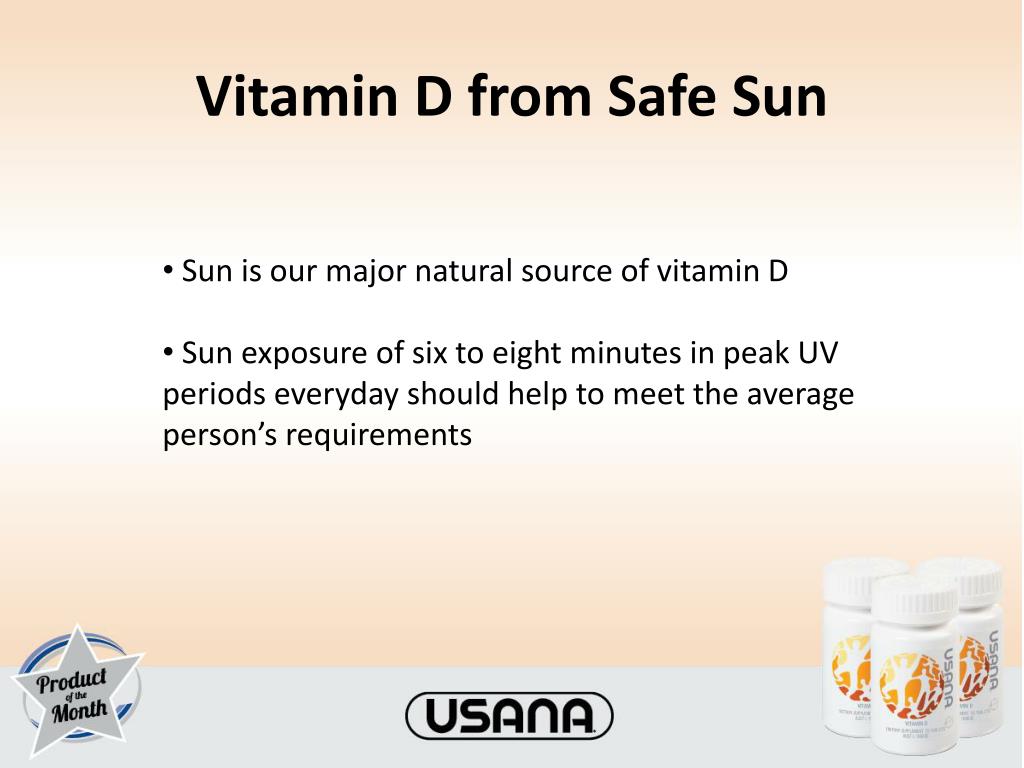
It’s possible to benefit from sunlight without treating it as the primary dosing mechanism. Brief sun exposure for general well-being can be reasonable for many people. The key is separating “sun for health and mood” from “sun as a predictable nutrient delivery system.”
Think of sunlight as a lifestyle variable and supplementation as the nutrient anchor. That framing helps reduce the temptation to stay in the sun until the body “feels like it worked.” Feeling a burn is not the same as measuring a vitamin D response.
Lower Risk of Vitamin D Extremes With Thoughtful Dosing
Vitamin D is potent, and so dosing matters. But supplements can be managed to minimize the chance of excessive intake. People with limited sun exposure, darker skin, higher body mass, malabsorption conditions, or little seasonal UVB exposure often need supplementation more than they need prolonged ultraviolet exposure.
Safety improves when intake aligns with body needs and monitoring. Over time, consistent dosage plus periodic blood checks can prevent extreme elevations. This approach can be safer than relying on sun exposure patterns that may overshoot during summer and undershoot in winter.
Content Readers Will Recognize: Practical Guidance and Clear Choices
When readers evaluate vitamin D options, they usually seek four kinds of content:
• Actionable dosing frameworks: simple routines that specify how to take, how often, and when to reassess.
• Risk-aware explanations: what can go wrong, and how to reduce those risks through smart intake.
• Product literacy: how to interpret D2 vs D3, understand label units, and choose a format that improves adherence.
• Monitoring recommendations: when blood tests make sense and how results can guide next steps.
Supplements shine when the reader wants clarity. Sunlight can be a pleasant ally, but it rarely provides the kind of repeatable precision that makes planning comfortable—especially across seasons.
Conclusion: Supplements Turn Uncertainty Into a Manageable Plan
Sunlight may feel like the most intuitive source of vitamin D, but intuition struggles against variability. Supplements replace ambiguity with dose control, reduce reliance on ultraviolet exposure, and make it easier to maintain steady vitamin D status through the full year. With informed selection of vitamin D type, thoughtful absorption practices, and guidance anchored by blood testing, supplementation becomes a practical, safety-minded strategy.
In a world where weather changes, schedules shift, and physiology varies, reliability is not a luxury—it’s the foundation. Supplements provide that foundation more consistently than sun exposure, allowing the body to benefit from vitamin D without inviting avoidable ultraviolet risk.