Have you ever noticed that two people can take the same vitamin D dose and live totally different outcomes—energy swings, mood stability, bone comfort, even how easily winter stiffness settles in? Here’s a playful thought experiment: what if your body treats vitamin D like a shy houseguest—sometimes it needs just a bit more “welcoming hospitality” in the form of dietary fat before it will fully do its work? That “hospitality” is often the missing ingredient, and genetics may be one of the reasons.
Why vitamin D is a fat-loving vitamin
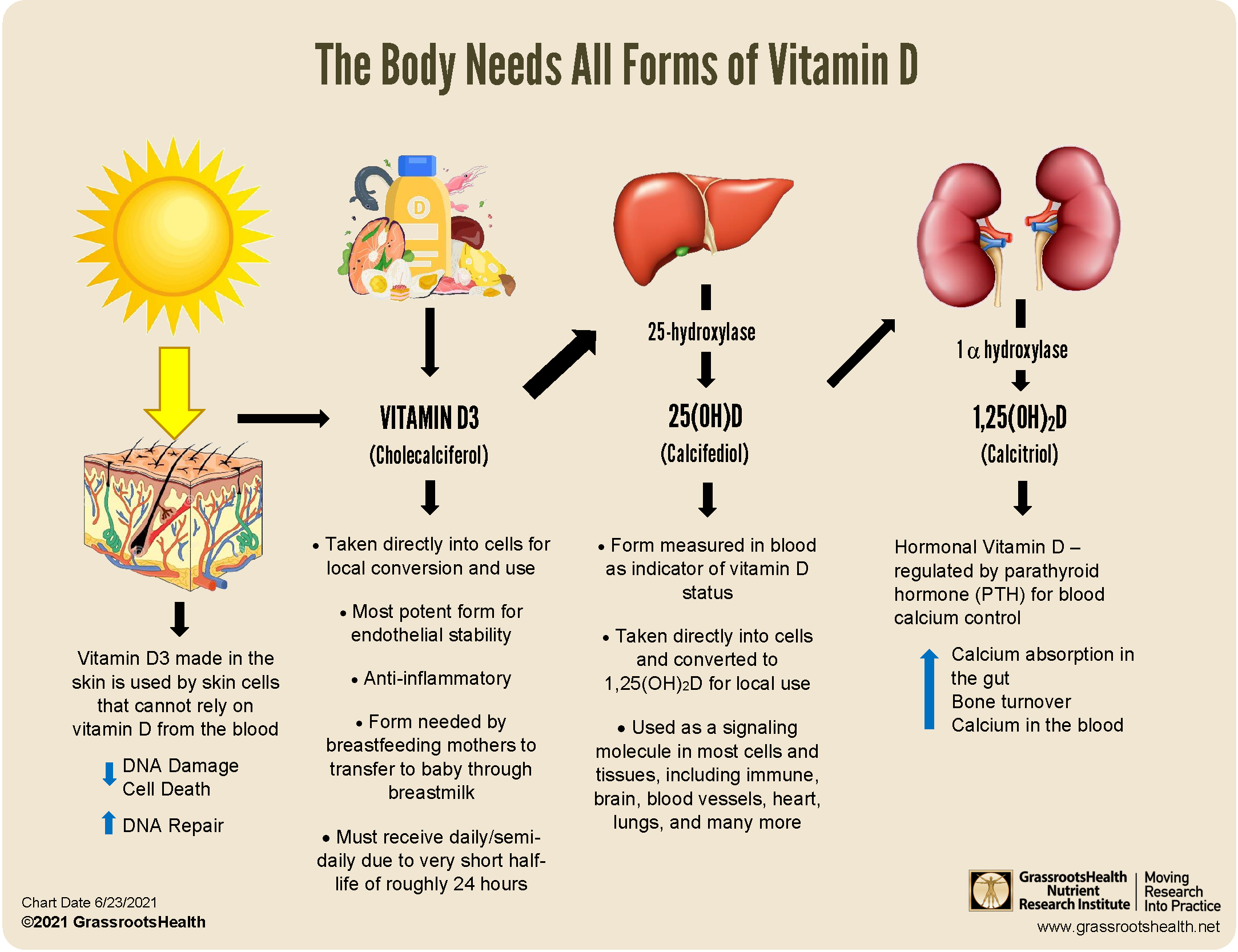
Vitamin D doesn’t behave like a watery drifter. It’s lipophilic—meaning it prefers the company of fats. After ingestion, it travels with lipids through the digestive system, then gets processed by organs and transported to tissues that need it. When dietary fat is scarce, absorption can become sluggish, and circulating levels may struggle to rise.
Think of fat as a vehicle with excellent traction. Without enough of it, vitamin D can’t climb the same “absorption hill.” Even if you’re taking supplements or eating vitamin D–fortified foods, low fat intake can make the whole system feel underpowered.
It’s not that fat is “required” in a dramatic, all-or-nothing way. Instead, it’s often the difference between good bioavailability and merely adequate uptake.
A playful question: could your digestion be the bottleneck?
Let’s pose a mischievous question: what if the bottleneck isn’t the vitamin D dose at all, but the handoff process inside your gut? Some people digest and transport nutrients with surprising efficiency. Others need more supportive conditions—especially for fat-soluble compounds.
If you’ve ever eaten vitamin D–rich meals that felt “healthier on paper” but didn’t translate into improved labs, genetics could be part of the story. Variations in how the body forms, mobilizes, and utilizes the molecular machinery for nutrient transport can influence the final outcome.
That’s why two individuals can both be “doing everything right,” yet one maintains more robust vitamin D status while the other hovers closer to deficiency.
Genetics and the “risk score” idea: small differences, big consequences
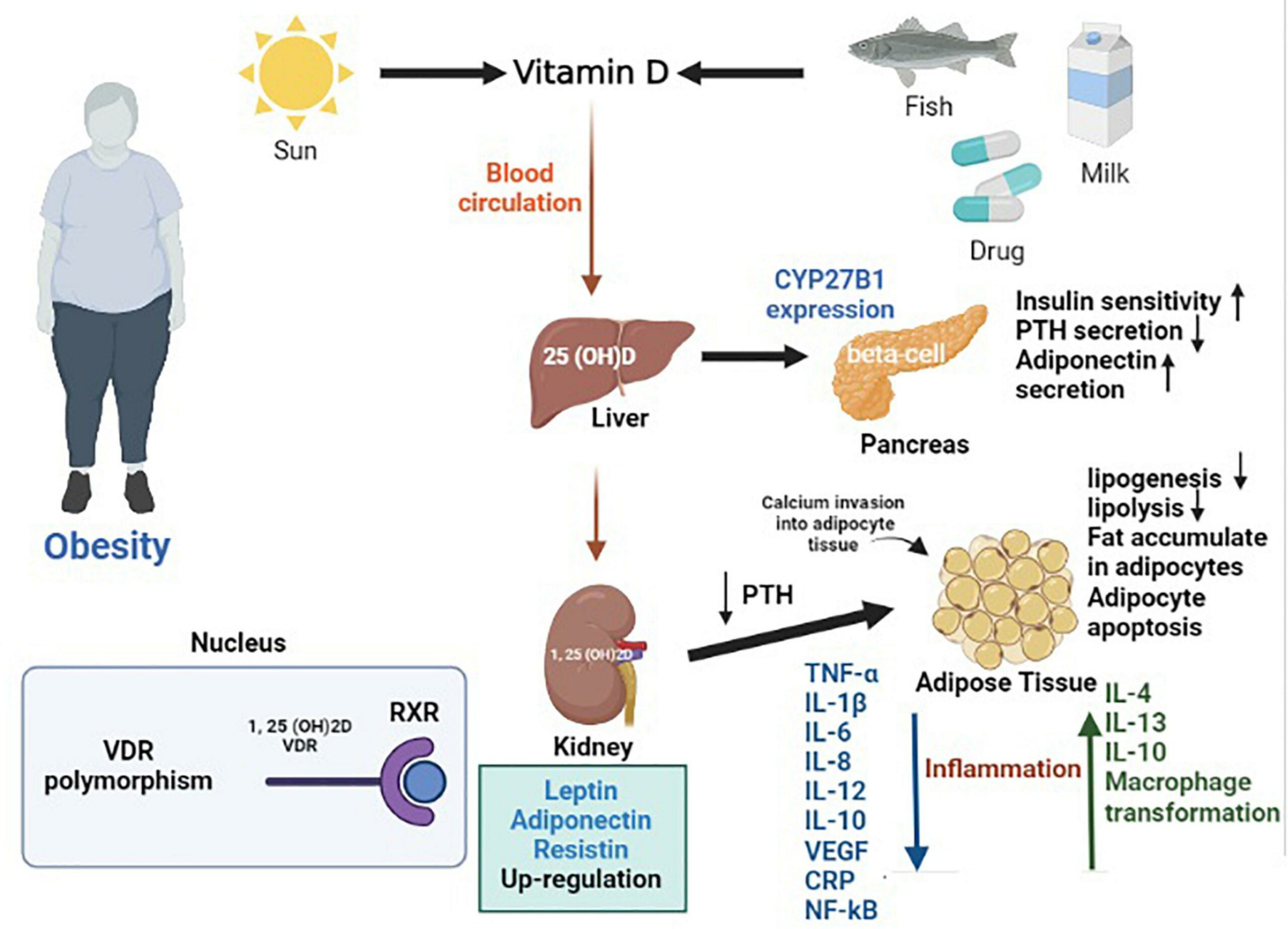
Genetics can influence vitamin D status through several levers: how vitamin D is activated, how it’s bound in the bloodstream, how receptors respond, and how efficiently it’s transported to target tissues. In modern research, these influences are sometimes summarized into a genetic risk score—a composite idea capturing the cumulative effect of multiple genetic variants.
Picture a thermostat with slightly miscalibrated settings. Even if you provide the same “heat” (vitamin D intake), the system might interpret it differently. Some genetic profiles are associated with higher likelihood of lower vitamin D levels or altered physiological responsiveness.
For certain people, adequate vitamin D may require not just more sunlight or supplementation, but also more dietary fat to maximize absorption. In other words, genetics may determine how demanding your body’s “absorption requirements” become.
Fat digestion capacity: when absorption mechanics get selective
Vitamin D rides along with lipid digestion and transport. Therefore, anything that affects fat digestion can indirectly affect vitamin D bioavailability. Genetics can influence enzymes and transport proteins, but physiology also matters: gallbladder output, pancreatic function, intestinal permeability, and even the speed at which the stomach empties can play roles.
Some people—genetically or physiologically—may have a more selective absorption profile. They might not absorb vitamin D as efficiently when meals are very lean. This doesn’t mean they “fail” at nutrition; it means their digestive pipeline may be less forgiving.
Short version: if your fat digestion is efficient, low-fat diets can still work. If it isn’t, fat intake may become a crucial cofactor.
The role of vitamin D–binding proteins: a molecular bouncer at the door
In the bloodstream, vitamin D doesn’t simply float freely. It often binds to specific carrier proteins that act like molecular bouncers—controlling stability, circulation time, and delivery to tissues. Genetic differences can affect the abundance or efficiency of these binding proteins.
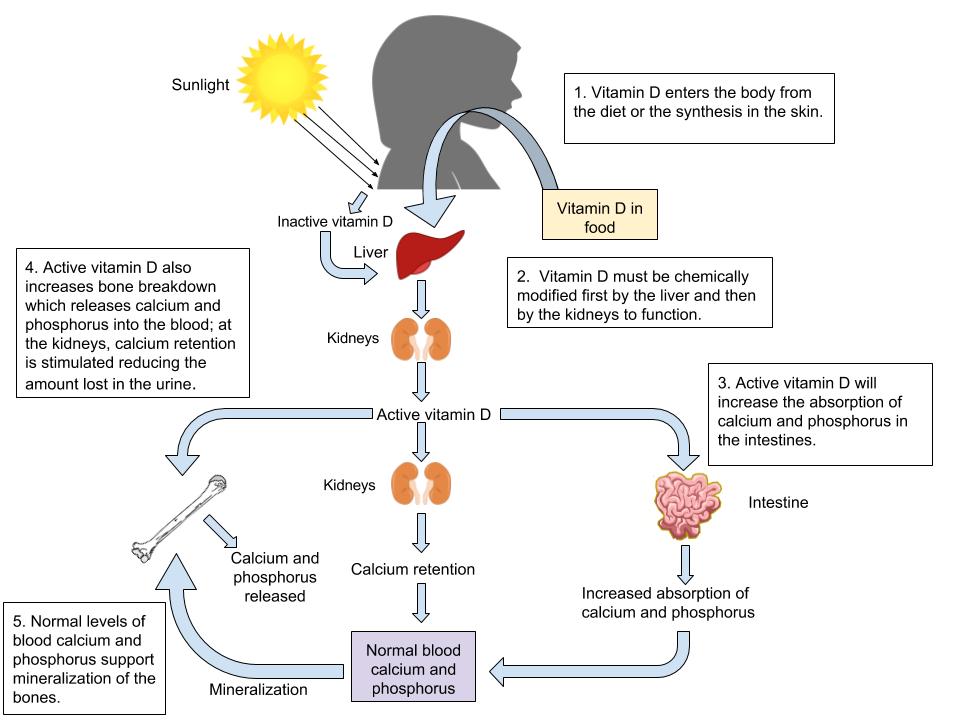
When binding dynamics are altered, the “effective concentration” of vitamin D available for activation and receptor engagement may shift. That shift can amplify the importance of absorption. If the body binds vitamin D more tightly or processes it differently, then the amount you absorb from each meal becomes even more consequential.
So, adequate fat may help you cross the threshold from “tiny trickle” to “meaningful supply,” especially for genetically predisposed individuals.
How receptors and signaling change the response curve
Even if vitamin D levels become adequate, the response can vary. Vitamin D’s downstream effects often depend on the vitamin D receptor and related signaling pathways. Genetic variants may influence how strongly tissues respond to vitamin D.
This means two people could have similar blood concentrations yet experience different outcomes—bone metabolism, immune modulation, muscle function, and inflammatory balance. For those with less responsive signaling, the practical strategy may include optimizing absorption and maintaining consistently higher—but not excessive—levels.
Dietary fat can be part of that optimization, helping ensure more vitamin D actually reaches the systemic stage where receptors can do their job.
Practical nutrition: choosing “helpful fats” without going overboard
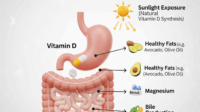
More fat doesn’t automatically mean “more success.” The goal is supportive fat intake, often timed with vitamin D consumption. Helpful fats are typically those that accompany vitamin D in meals—fatty fish, egg yolks, yogurt with full-fat content, olive oil, avocado, and nuts.
For many people, adding fat to a vitamin D–containing meal—rather than increasing vitamin D in isolation—can improve absorption dynamics. A small upgrade can be surprisingly effective: think of pairing a vitamin D–rich food with a drizzle of olive oil or a handful of nuts.
Common scenarios where extra fat may matter more
Consider the person who eats very low-fat breakfasts, or who takes vitamin D supplements on a mostly fat-free routine. Or someone with digestive quirks—bloating after fatty foods, irregular stool patterns, or a history of malabsorption concerns. Some individuals also follow diets that unintentionally reduce fat intake below the level their physiology needs to absorb fat-soluble vitamins.
Genetics can make these scenarios sharper. Two people can both eat low fat, but one may absorb vitamin D reasonably well while the other remains stubbornly low.
Another scenario: seasonal changes. During winter, sunlight contribution declines. When intake relies more heavily on diet and supplementation, the efficiency of absorption becomes even more important—especially for those with genetic variants that increase vulnerability.
How to navigate this thoughtfully: monitoring and individualized adjustments
The sensible approach is data-driven and patient. Blood testing can reveal whether vitamin D is actually rising after dietary and supplement adjustments. If vitamin D levels remain low, a clinician can help evaluate whether absorption support—such as pairing supplements with a meal containing fat—or other factors should be addressed.
It’s also wise to avoid turning nutrition into a guessing game. Excess supplementation can be risky. The aim is balance: optimize absorption and maintain appropriate levels, not chase numbers endlessly.
A final twist: your body may be running a different absorption algorithm
Here’s the closing image: vitamin D absorption is not a single switch—it’s an algorithm influenced by digestion, transport, receptor signaling, and yes, genetics. Some people simply need more dietary fat to absorb vitamin D effectively because their internal “system settings” make low-fat meals less supportive.
So if you’ve been wondering why your efforts seem to work for others but feel underwhelming for you, you’re not imagining it. The challenge may not be willpower. It may be physiology—playful, complex, and sometimes unexpectedly demanding.