It’s a curious moment when you realize your vitamin D prescription—or your carefully chosen supplement—doesn’t exist in isolation. Some people can take 2,000 IU and feel fine, while others seem to hover in the same dimly lit “insufficient” zone no matter what they try. That’s where 5,000 IU Vitamin D often enters the story—especially when the quieter cofactor, magnesium, is running low. The fascination with vitamin D is understandable. It feels like a single lever. Yet biology rarely behaves like a simple switch; it behaves more like a lock with several tumblers.
Vitamin D Isn’t a Lone Ranger in the Body
Vitamin D is frequently discussed as if it travels the bloodstream alone, then magically “does its job.” In reality, it’s more like a conductor who needs the rest of the orchestra to stay in sync. Vitamin D must be activated in a multi-step process, and those steps rely on a network of nutrients and enzymes. Magnesium—unassuming and often under-considered—helps support enzyme function throughout the pathway.
When magnesium levels are low, the conversion and utilization of vitamin D can become less efficient. So even if you raise vitamin D intake, your body may not process it smoothly. This creates a frustrating loop: a person takes vitamin D, expects improvement, and yet lab values stay stubborn or symptoms linger.
Why Magnesium Deficiency Can Masquerade as “Low Vitamin D”
Many people interpret sluggish improvement as evidence that vitamin D dose was simply “not high enough.” Sometimes that’s true. But sometimes the deeper culprit is magnesium insufficiency—because magnesium affects how vitamin D is transported, activated, and ultimately used. When magnesium is scarce, the body may not hold onto the active forms of vitamin D with the same finesse. The result can resemble classic low-vitamin-D patterns: fatigue, low mood, muscle discomfort, and a sense of being perpetually “underpowered.”
This is the part of the narrative where the common observation becomes more interesting: “I increased my vitamin D but didn’t get the results I expected.” That statement can hide a second diagnosis in plain sight—magnesium depletion or poor magnesium status.
What 5,000 IU Really Means for Many Adults
Five thousand IU of vitamin D is often chosen because it provides a meaningful “nutritional nudge.” For some individuals, 5,000 IU supports faster repletion when levels are significantly low or when metabolism and activation are less efficient. Think of it as providing enough substrate to keep the biochemical gears turning, even when cofactors are imperfect.
However, dose is only one piece of the puzzle. Some people reach a comfortable range while others continue to stall. That’s where magnesium becomes a suspect. If magnesium is low, the conversion steps may proceed slowly, and the vitamin may not deliver the expected biological outcomes.
Signs That Point Toward Low Magnesium (Not Just Low Vitamin D)
Low magnesium is often overlooked because its symptoms are broad and easy to attribute to modern life: stress, poor sleep, heavy caffeine intake, or busy schedules. But certain patterns recur. Muscle cramps or twitching can appear. Restlessness at night may show up like an internal metronome that can’t settle. Some people experience headaches, constipation, or a “wired but tired” sensation.
Low magnesium also intersects with glucose regulation and cardiovascular signaling. That doesn’t mean everyone with low magnesium feels all symptoms. It means the body may give hints, quietly, like a detective leaving breadcrumbs.
The Magnesium–Vitamin D Feedback Loop
Here’s the deeper reason many practitioners and nutrition researchers look toward magnesium when vitamin D doesn’t respond: vitamin D and magnesium participate in interlocking regulatory loops. Magnesium helps the enzymes involved in vitamin D metabolism function properly. Meanwhile, vitamin D can influence magnesium absorption in the gut. It’s not merely a one-way street; it’s a conversation.
So if magnesium is low, vitamin D may not be fully activated. If vitamin D is insufficient or dysfunctional, magnesium handling may also be less optimal. Together they form a “co-dependency” relationship. When you treat one side without considering the other, the system may never reach equilibrium.
Who Might Be More Likely to Need 5,000 IU?
Not everyone requires 5,000 IU, but several categories of people often report better outcomes at that range—particularly when magnesium status is questionable.
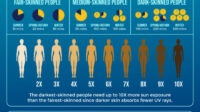
People with limited sun exposure commonly have lower baseline vitamin D. Those who live in higher latitudes or work indoors often fit the pattern. Others may have dietary constraints that reduce magnesium intake: low consumption of leafy greens, legumes, nuts, and whole grains. Some individuals have higher losses through sweating or gastrointestinal changes.
Certain medications and health conditions can also affect magnesium and vitamin D balance. Diuretics, chronic digestive issues, and some hormonal or metabolic disorders may shift mineral needs. In these contexts, 5,000 IU vitamin D can be a pragmatic strategy—especially alongside attention to magnesium.
Low Magnesium: A Nutrient Story Rooted in Modern Habits
Magnesium tends to be “easy to miss.” Many diets are light on magnesium-rich foods, while highly processed meals can displace them. Stress hormones can increase magnesium use. Sleep disruption can amplify metabolic strain, indirectly affecting mineral status. Even heavy reliance on refined carbohydrates may crowd out magnesium-containing nutrients.
This is why the fascination deepens. You’re not just choosing a supplement. You’re confronting a system influenced by food patterns, lifestyle friction, and physiological adaptation. Vitamin D becomes a visible marker of an underlying imbalance—a lantern illuminating a room that needed cleaning anyway.
How to Think About Supplementation More Intelligently
Supplementation should feel like engineering, not guesswork. Many people start with a vitamin D blood test to determine baseline status. If levels are low and symptoms persist, 5,000 IU can be a reasonable repletion dose—often used for a limited period with follow-up testing. Yet when magnesium is low, adding vitamin D alone may feel like watering a plant while forgetting to repair the soil.
In practice, some people pair vitamin D with magnesium to support the entire metabolic workflow. Magnesium can be chosen in forms that align with individual tolerability. The goal is not to “stack supplements blindly.” The goal is to restore biochemical functionality where it matters.
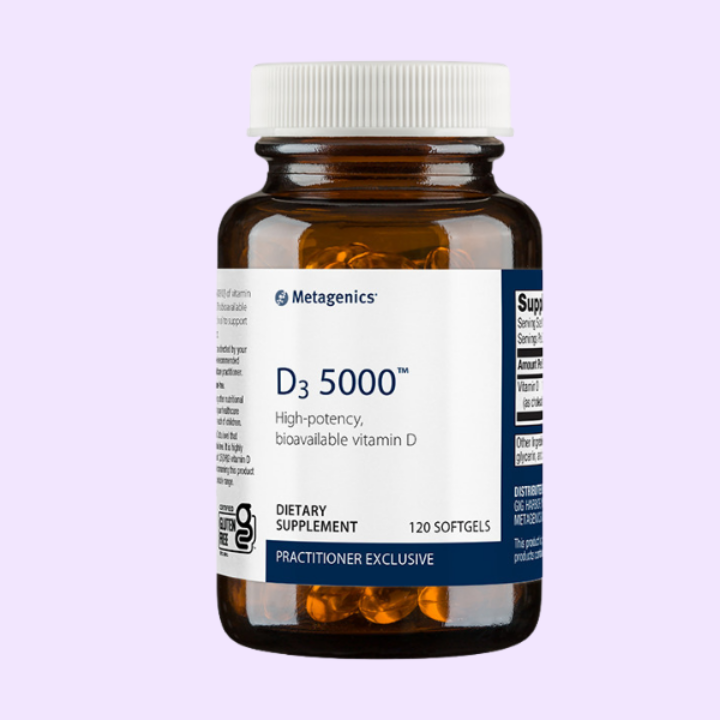
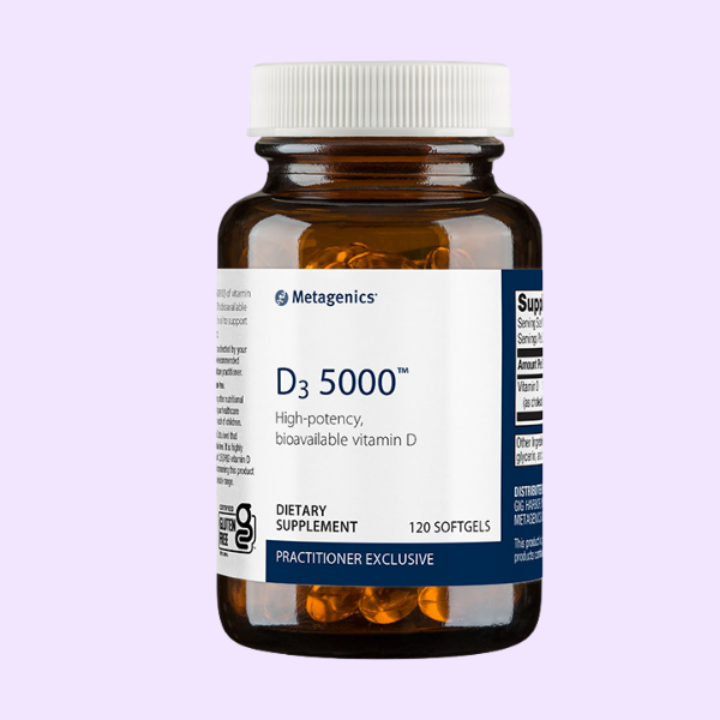
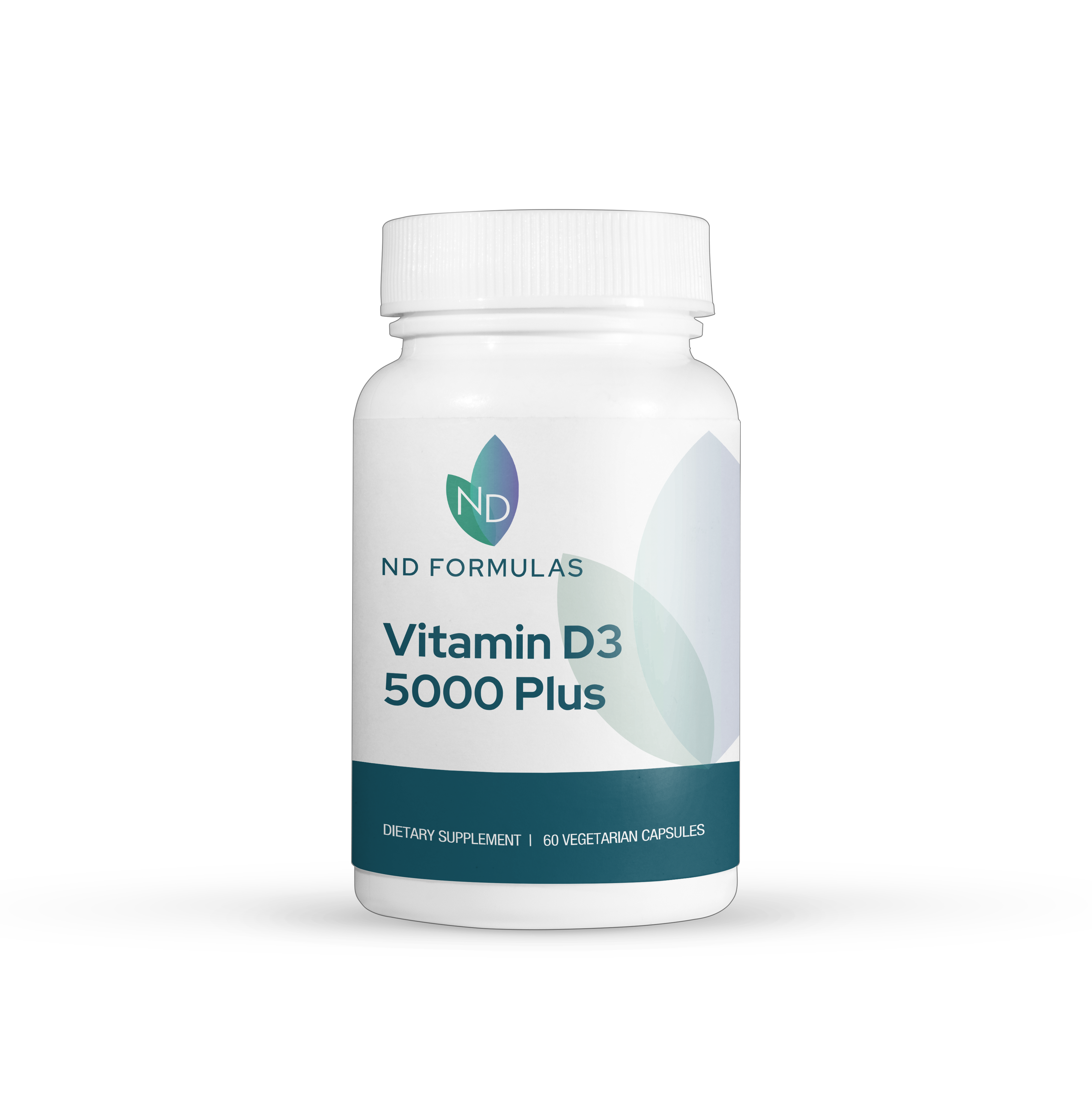
Photo Reference: Common 5,000 IU Vitamin D Options
Many shoppers recognize 5,000 IU Vitamin D from softgel formats or brand-labeled products. Visual cues can be comforting, but the real question is always biological compatibility—how your body processes vitamin D in the context of your mineral status.

Deeper Reasons Vitamin D Fascinates People So Much
Vitamin D has a rare kind of cultural charisma. It sits at the intersection of immune function, bone health, mood regulation, and metabolic signaling. It’s easy to feel motivated by a nutrient that seems to touch so many systems. Yet that broad reach is precisely why vitamin D responses vary. A person’s baseline physiology—especially mineral sufficiency—can determine whether vitamin D becomes an ally or remains a partially unlocked key.
Magnesium, meanwhile, is like the hidden architecture of those pathways. When magnesium is low, vitamin D can become a fascinating mystery: “Why isn’t it working the way it should?” The answer often isn’t a lack of willpower or a wrong brand. It’s the possibility of a deeper biochemical bottleneck.
Practical Next Steps: Make the System Whole
If you’re considering 5,000 IU Vitamin D, start with awareness and verification. Testing can clarify where you stand. Paying attention to magnesium intake—from food first, then thoughtful supplementation if needed—can improve response quality. Monitor how you feel, not just what you hope will happen. Energy, muscle tone, and overall steadiness often provide meaningful signals.
Most importantly, treat magnesium as a foundational nutrient rather than an afterthought. When magnesium is restored, vitamin D often stops feeling like an endless guessing game. The body regains its ability to convert, activate, and utilize—turning supplementation from a hopeful ritual into a coherent biological strategy.