Have you ever wondered whether your vitamin D supplement is actually doing the heavy lifting—or just taking up shelf space? It’s a playful question with a mischievous twist: what if the “right” pill isn’t the one you think? Today we’re stepping into the comparison arena of Vitamin D3 vs Vitamin D2—specifically, which one tends to be most bioavailable. And yes, there’s a potential challenge lurking in the background: even when two products claim the same “vitamin D,” your body may not treat them equally. Let’s unravel the chemistry, the biology, and the real-world implications—without turning this into a dry science lecture.
Bioavailability: The Meaning Behind the Question
Bioavailability is the measure of how much of a nutrient actually enters circulation in a usable form. Think of it as the difference between a key that merely fits the lock and a key that truly turns. Vitamin D is fat-soluble, so it has a natural advantage in terms of absorption compared with some water-soluble nutrients. But within the vitamin D family, D2 and D3 behave differently.
“Most bioavailable” doesn’t necessarily mean “stronger for everyone in every situation.” It means the compound is, on average, better at getting absorbed and elevating blood levels. The body’s handling of D2 versus D3 can shift based on dosing patterns, baseline vitamin D status, genetics, liver conversion dynamics, and even how the product is formulated.
So the stage is set: before choosing a supplement, it helps to know what your body is capable of doing with each type.
Vitamin D2 vs Vitamin D3: What’s Actually Different?
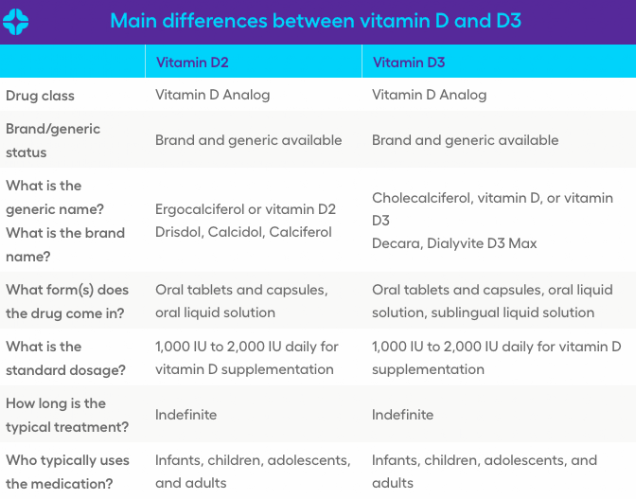
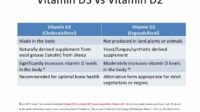
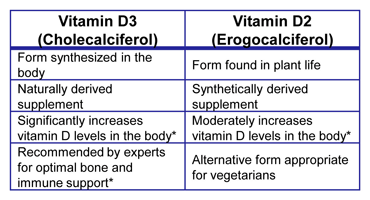
Vitamin D3 is cholecalciferol, typically produced in the skin through ultraviolet exposure and also found in animal-derived foods. Vitamin D2 is ergocalciferol, commonly sourced from plants and fungi (including certain fortified foods and supplements).
At a glance, they look like close cousins. Yet the molecular nuances matter. Both forms can be metabolized to active forms, but D3 often shows a distinct advantage in raising and maintaining circulating vitamin D levels. This is one reason many clinicians lean toward D3 when the goal is optimizing status.
Here’s a useful mental model: if vitamin D is the “raw material,” then conversion to active metabolites is the factory process. D2 and D3 may reach that factory with slightly different efficiency.

Absorption and Transport: The Journey After Swallowing
Once ingested, vitamin D must hitch a ride through the digestive system. Since it’s fat-soluble, absorption is often improved when taken with a meal containing dietary fat. If you take your supplement on an empty stomach, you may still absorb some of it—but the “delivery efficiency” can drop.
After absorption, vitamin D binds to transport proteins in the bloodstream, allowing it to travel to the liver and beyond. This is where the D2 vs D3 story becomes relevant: D3 is frequently associated with higher serum 25-hydroxyvitamin D levels—the main storage form measured in blood tests.
In practical terms, higher bioavailability can translate to fewer “wobbles” in vitamin D status, especially during months when sun exposure is limited.
Conversion to Active Forms: The Biochemical Relay Race
Vitamin D doesn’t become useful instantly. It goes through a relay race of conversions—first in the liver, and then in the kidneys—until it can be used for functions such as calcium regulation and supporting musculoskeletal health.
Both D2 and D3 can be converted, but evidence suggests that D3 tends to be more effective at maintaining higher concentrations of circulating vitamin D over time. One reason involves how each form behaves after conversion and how the body stores and clears it.
Here’s where the “potential challenge” becomes real: if someone uses D2 and expects identical results as D3, they might be disappointed when their blood levels don’t rise as much as anticipated. That doesn’t mean D2 is “bad.” It means the body’s response may be less robust for many individuals.
Serum Levels and Longevity: The Difference You Can Measure
Bioavailability is best understood through measurable outcomes. Serum 25(OH)D is a key marker because it reflects vitamin D stores. Many people care about vitamin D for more than a casual wellness trend—they want stable levels that support long-term health goals.
D3 has a reputation for producing a stronger and more sustained increase in serum 25(OH)D. D2 can also raise levels, but the rise may be comparatively smaller or may decline faster for some dosing patterns.
If your aim is consistency—especially if you live in a region with limited sunlight, work indoors, or cover most skin—choosing a form with better persistence may simplify your plan.
Dosage Dynamics: “Same IU” Doesn’t Always Mean “Same Outcome”
International Units (IU) are a common way to label vitamin D supplements. Many people assume that 1,000 IU of D2 and 1,000 IU of D3 should behave identically. That assumption can be misleading. While the unit measures the quantity, bioavailability and biological effect can vary.
This is why dosing strategy matters. Some regimens use larger doses of D2 (or specific scheduling) to achieve outcomes similar to D3. But without individualized guidance, a “one-size-fits-all” approach can feel like trying to use a compass when you really need GPS.
If you’re supplementing for deficiency or low baseline levels, it’s wise to pair your plan with periodic blood work—because your body is the final boss, and it plays by its own rules.
Formulation Matters: Oils, Capsules, Gummies, and the Art of Absorption
The source form is only half the story. The delivery system is the other half. Liquid drops, softgels, and oil-based capsules often improve absorption of fat-soluble nutrients. Gummies and tablets can vary widely depending on their formulation and fat content.
Take vitamin D with a meal that includes fat when possible. Your digestive system is not a vending machine. It’s a coordinated ecosystem.
Also consider whether your product includes helpful excipients. Some supplements are designed for better dissolution or include emulsifiers. These details can influence how much of the dose becomes bioavailable.

Special Populations: Who Might Need to Pay Extra Attention?
Certain groups are more likely to have lower vitamin D status or inconsistent absorption. People with malabsorption disorders, those who have had bariatric surgery, individuals with darker skin living in low-sun environments, and older adults may experience reduced vitamin D synthesis or absorption efficiency.
In these cases, the difference between D3 and D2 can matter more. A switch in form may improve results without increasing the dose. But switching should be done thoughtfully and ideally under professional supervision, particularly if someone is treating confirmed deficiency.
Pregnancy and lactation also require careful planning. The goal is adequate vitamin D for both maternal health and infant needs, with attention to safe dosing.
Safety and Practical Selection: The “Play It Smart” Checklist
Vitamin D is safe for most people at appropriate doses, but it isn’t automatically harmless at high intakes. Excess vitamin D can contribute to hypercalcemia, causing symptoms that range from nausea to fatigue—and in severe cases, more serious complications.
So how do you choose between D3 and D2 when the question is “most bioavailable”?
Here’s a pragmatic approach: if you want a form that often performs better at raising and sustaining serum levels, D3 is frequently the leading candidate. If you’re choosing D2 for dietary preferences or product availability, it can still work—just be aware that dosing and expectations might need calibration.
Lastly, remember the rule that makes everything smoother: take vitamin D with fat-containing meals when possible, and consider rechecking levels after a reasonable interval.
So… Which Is Most Bioavailable? A Confident Closing Note
If you’re choosing between D3 and D2 with bioavailability as the deciding criterion, vitamin D3 often wins the comparison for many people. It tends to elevate serum 25-hydroxyvitamin D more efficiently and can be more effective at maintaining levels over time.
But the real-world conclusion is less about winning and more about matching. Match the form to your biology, your lifestyle, your dosing schedule, and your follow-up labs. That’s how you turn a playful question into a confident routine.
And now, the final twist: instead of asking which pill is better, consider asking which plan keeps my vitamin D in the optimal zone? That’s the kind of question your body can answer with numbers.