It’s a surprisingly common observation: two people can share the same climate, eat broadly similar diets, and still show very different immune “temperaments.” One seems steadier during cold seasons; the other feels as if their defenses are constantly negotiating—sometimes overreacting, sometimes underperforming. In that gray zone between what the immune system intends and what it actually does, vitamin D keeps resurfacing. The question isn’t merely whether vitamin D is “good.” The question is more precise: what level is needed for autoimmune protection, and why does the immune system appear so sensitive to it?
Why the Body Treats Vitamin D Like an Immune Regulator
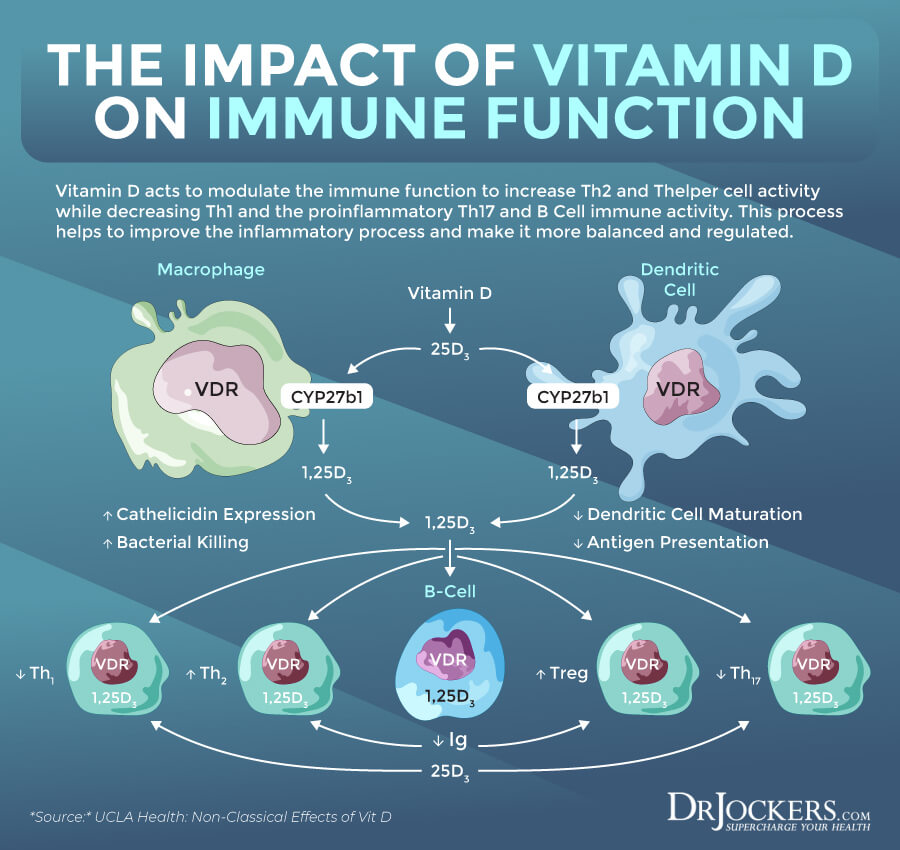
Vitamin D isn’t just a nutrient you consume. It behaves more like a conductor’s baton—coordinating signals that influence immune cells. Receptors for vitamin D are found across multiple immune-related tissues, including cells involved in antigen presentation and cytokine production. When vitamin D status is low, immune regulation can become less nuanced. Responses may become louder, less targeted, or slower to recalibrate.
This is one reason the topic feels endlessly fascinating. Many autoimmune conditions don’t follow a single linear cause. They reflect immune dysregulation: the failure of normal tolerance mechanisms, a wobble in inflammatory signaling, and a tendency toward misguided cellular teamwork. Vitamin D sits in the middle of that complexity.
The Common Observation: “I Don’t Know My Level, Yet My Symptoms Talk Loudly”
People often notice patterns before they ever check labs. Symptoms such as persistent fatigue, frequent infections, or flare-like immune events can prompt a search for explanations. Later comes the practical step: checking a 25-hydroxyvitamin D blood level—the standard marker used to estimate vitamin D stores.
Here’s the typical surprise. Some individuals with “average” vitamin D levels still experience immune instability. Others feel relatively well even at modest concentrations. That variability hints at deeper reasons: genetics, sun exposure variability, differences in absorption, and—crucially—how vitamin D is interpreted by the immune system and tissues over time.
Defining “Needed”: A Protection Target, Not a Single Magic Number
When people ask for the level needed for autoimmune protection, the mind often seeks one definitive value. But biology rarely offers absolutes. Autoimmune protection likely depends on several layers: baseline immune tendency, inflammation history, and whether vitamin D is being used effectively at the cellular level. Still, clinically meaningful targets are used to guide decision-making.
Many clinicians consider a 25(OH)D range around the mid-to-upper normal spectrum as a practical goal for immune support. In broad terms, levels below that zone are more likely to correlate with weaker immunoregulatory tone, while higher-normal levels may provide a buffer. The most important nuance is consistency: fluctuating levels may be less protective than steady sufficiency.
Think of vitamin D as a thermostat with a learning curve. If the system is repeatedly forced into “low-energy mode,” immune signaling patterns can become stubborn and self-reinforcing. Protection is not just about arriving at a number once—it’s about maintaining a stable internal environment.
Understanding the Biology of Autoimmunity: Vitamin D’s Influence on Tolerance
Autoimmune disease often involves the breakdown of tolerance—immune systems that should ignore certain “self” structures begin to treat them as negotiable threats. Vitamin D helps shape immune tolerance through multiple mechanisms. It can influence the differentiation of immune cells and modulate inflammatory cytokines that act like ignition switches.
One fascinating aspect is how vitamin D interacts with the immune system’s ability to “choose restraint.” In a well-regulated state, inflammation is timely and proportional. In autoimmune states, inflammation may become chronically misdirected. Vitamin D doesn’t guarantee remission. But it can tilt the immune system toward better calibration—less chaotic, more discriminating.
Vitamin D Resistance: When Adequate Levels Still Don’t Feel Adequate
Not everyone responds identically. Even with “good” vitamin D measurements, some people experience persistent immune flare behavior. That suggests the presence of functional vitamin D resistance—situations where vitamin D signaling is blunted at the receptor level or downstream pathways.
Several hypotheses may explain this phenomenon. Genetic polymorphisms can alter receptor function or signaling efficiency. Inflammation itself can modify vitamin D metabolism. Liver or kidney conversion dynamics may also influence how effectively vitamin D becomes biologically active. Additionally, body composition matters: vitamin D can be sequestered in adipose tissue, potentially reducing availability for immune tissues.
In other words, the lab value can be a useful compass, but not the entire map. Autoimmune protection likely requires both adequate levels and effective signaling.
How Low Vitamin D Can Become a Catalyst for Immune Overdrive
Low vitamin D status is associated with less regulation and more room for inflammatory pathways to gain momentum. In simplistic terms: when the immune system lacks modulatory signals, it may fill the vacuum with unrestrained activity. Over time, repeated immune “noise” can contribute to a cycle—higher inflammation can further impair vitamin D signaling, making deficiency feel like a loop rather than a temporary gap.
This is why some individuals notice that improving vitamin D status aligns with fewer flare-like experiences. The body may not immediately “heal” in a dramatic overnight way. But immune networks can gradually reorganize, becoming less volatile.
Measuring Vitamin D Correctly: 25(OH)D and the Value of Context
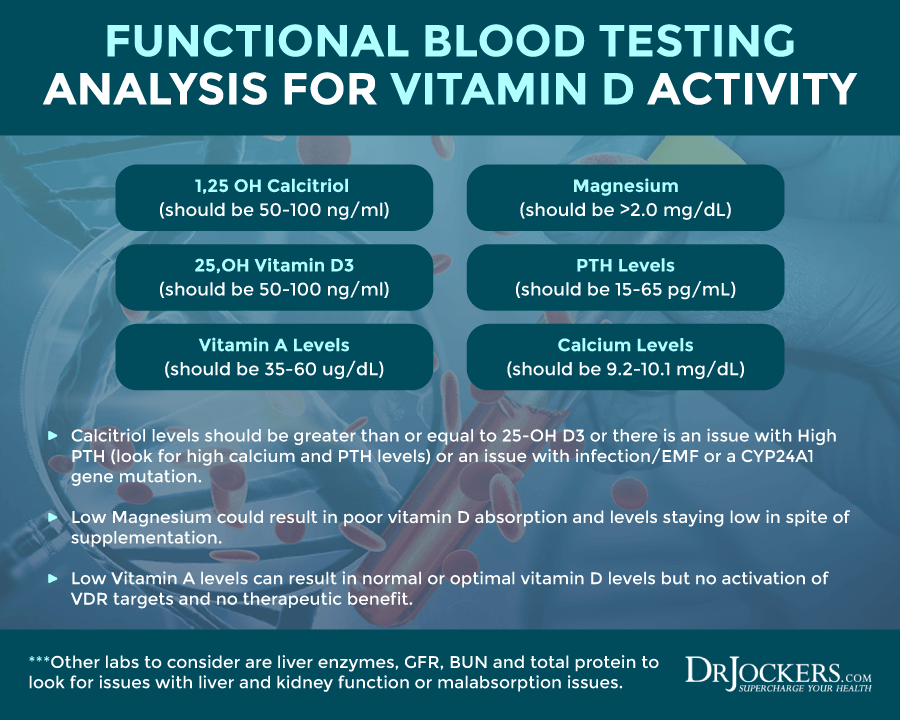
Most clinical assessments use serum 25-hydroxyvitamin D (25[OH]D). That marker reflects stored vitamin D from both sun exposure and dietary sources. However, interpretation depends on context: season, geographic latitude, skin pigmentation, age, and comorbidities all matter.
It’s also worth remembering that “normal” ranges can feel like a ceiling rather than a target. Some people may reside inside reference intervals yet still experience immune instability. For autoimmune protection, many practitioners aim for a more consistent sufficiency level rather than minimal compliance with lab thresholds.
Lab work offers guidance, but it’s not a verdict. Inflammation markers, symptom patterns, and treatment history can help determine whether vitamin D optimization is likely to be meaningful.
Practical Guidance: Achieving and Maintaining an Immune-Supportive Range
Vitamin D supplementation can be effective, but the approach should be methodical. Dosage decisions are ideally personalized using baseline levels, body weight, absorption considerations, and risk factors. A cautious strategy often includes periodic re-testing to avoid both under-shooting and over-shooting.
Long-term maintenance is especially important. Vitamin D isn’t a “set-and-forget” nutrient. Seasonal sun variability means levels can drift. Supplementation can smooth those fluctuations, supporting immune signaling steadiness.
In addition to supplements, lifestyle factors matter. Sensible sun exposure can help some individuals, but it must be balanced with skin cancer risk. Diet can contribute, though vitamin D is not always easy to obtain consistently in meaningful amounts from food alone.
When to Be Cautious: The Risk of Excess and the Need for Monitoring
More is not automatically better. Excessive vitamin D can raise calcium levels, potentially leading to complications. That’s why monitoring is a rational safeguard rather than an optional luxury. If supplementation is being used for immune support, follow-up testing helps confirm that the chosen plan is both effective and safe.
Monitoring also clarifies whether the body is converting and utilizing vitamin D properly. If levels rise but symptoms don’t respond, it may suggest the deeper layers—such as signaling resistance—or that other immune drivers are dominating.
Why This Topic Keeps Calling People Back: The Promise of Biological Leverage
Autoimmune disease is difficult because it resists single-cause explanations. Vitamin D remains compelling because it’s a modifiable variable with plausible immunological mechanisms. It offers biological leverage—something measurable, adjustable, and capable of influencing immune behavior.
The fascination grows when people connect the dots between deficiency, immune volatility, and improved stability after normalization. Even when results vary, vitamin D sits at an intersection: endocrine signaling, immune regulation, and everyday life factors like sun exposure and diet.
That’s not merely hope. It’s a coherent story the body tells through receptors, cells, and inflammatory signaling loops. The question of “what level is needed” therefore becomes not a simple number hunt, but a search for immune harmony.

Bottom Line: Autoimmune Protection Likely Requires Steady Sufficiency
For autoimmune protection, the most defensible stance is this: aim for a vitamin D status that supports robust immune regulation—typically within the upper-normal or sufficient range rather than the deficient or low-normal zone. Yet “needed” should be understood as a functional target influenced by individual response, inflammation context, and possible vitamin D signaling resistance.
Start with accurate measurement. Pursue a steady, safe sufficiency level. Reassess periodically, especially if autoimmune symptoms fluctuate. And remember: vitamin D is a piece of the immune puzzle, not the entire picture. Still, for many people, achieving the right level can feel like finding the missing thread that helps immune systems behave less like a storm and more like a controlled fire.