What if you take 50,000 IU of vitamin D every day for months—how would your body respond? Fun question, right? Now for the twist: this dose is powerful enough that the challenge isn’t “Will it work?” but rather, “What happens after your body’s vitamin D machinery stops treating it like a guest and starts treating it like a permanent roommate?” Let’s walk through the likely scenarios—benefits, risks, and the subtle biochemical choreography that unfolds over time.
First, a quick refresher: why vitamin D even matters
Vitamin D is more than a sun-themed wellness badge. It’s a steroid-like secosteroid that participates in the regulation of calcium and phosphate—two minerals with starring roles in bone remodeling, muscle function, and cellular signaling. When vitamin D levels are adequate, the body can absorb calcium more effectively. When they’re not, bones may feel the consequences first, and then other systems start to wobble.
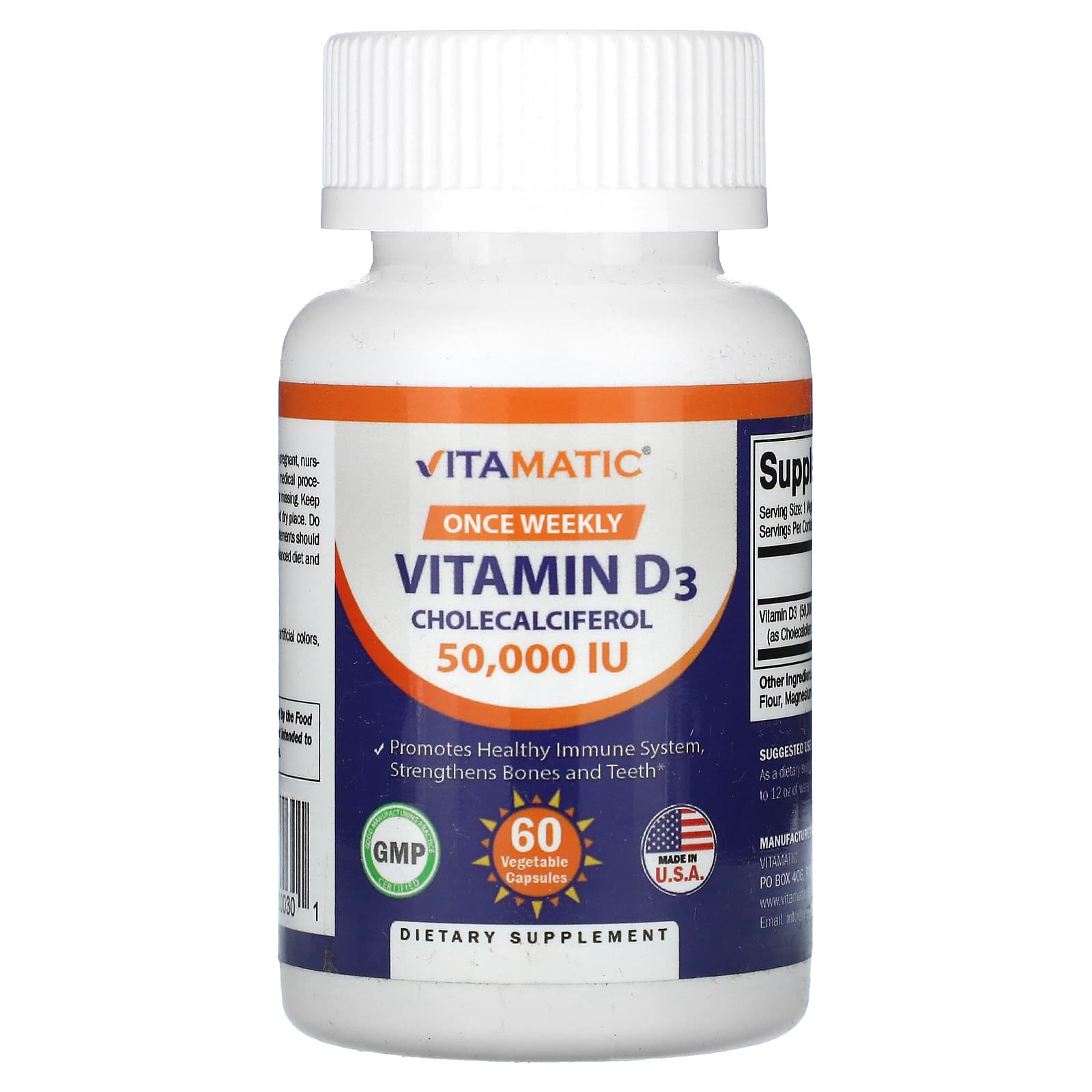
At 50,000 IU daily, you’re not merely topping up. You’re delivering a dose that’s typically reserved for supervised correction regimens, often followed by maintenance dosing. That distinction matters because the body doesn’t only “use” vitamin D—it also stores it. And storage means time becomes a variable you can’t ignore.
Vitamin D levels: the likely rise (and eventual saturation)
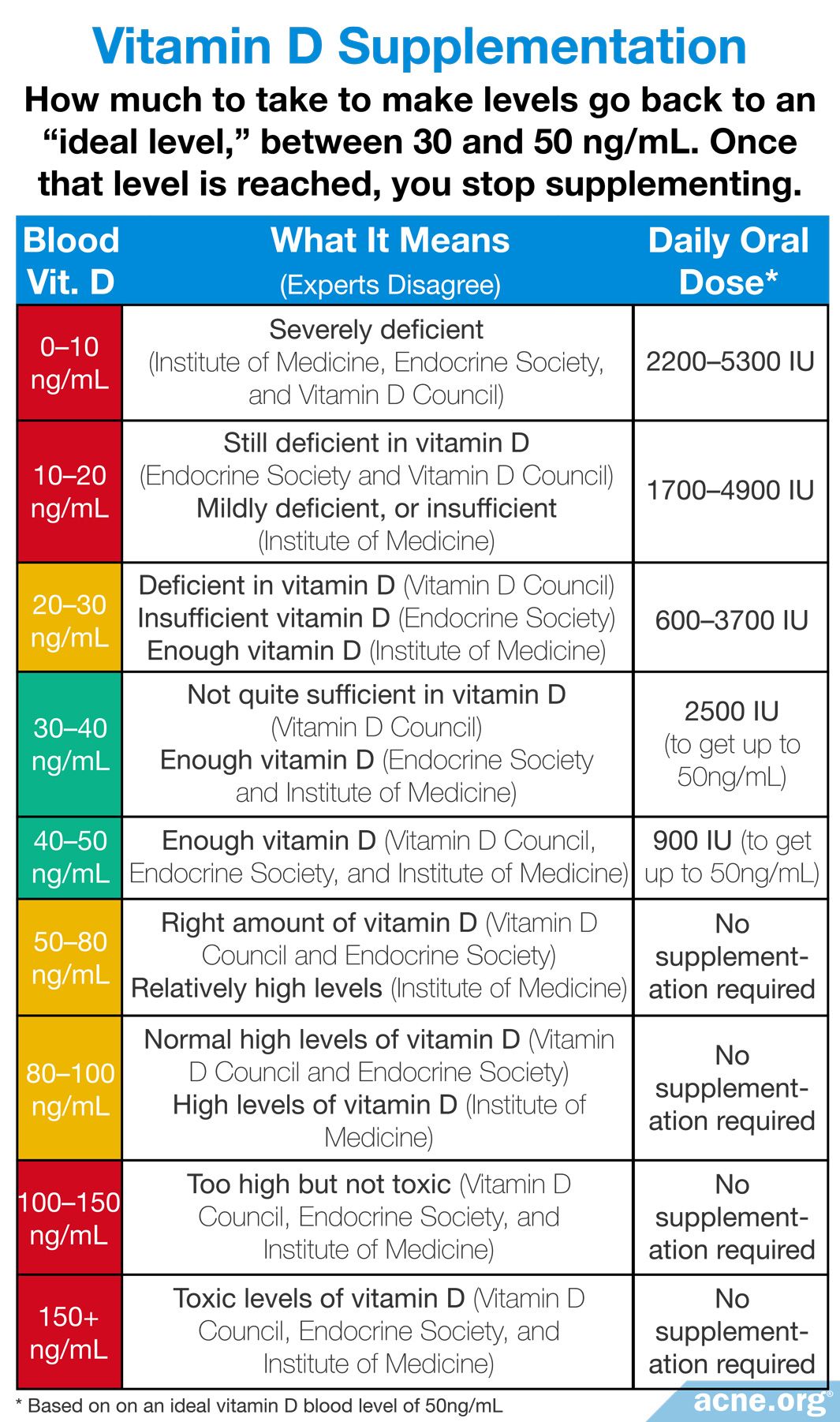
After starting high-dose vitamin D, blood levels of 25-hydroxyvitamin D (25(OH)D) often increase steadily. Initially, it can resemble a well-timed sunrise: energy, optimism, and perhaps improved lab markers for people who were deficient.
But vitamin D is fat-soluble. That means it can accumulate, and the body can reach a plateau where additional intake no longer produces proportional benefits. Over months, the “more” portion can become less helpful—and in some cases, risky. In other words: after a point, the vitamin D doesn’t just participate. It builds up.

Calcium absorption increases: helpful first, problematic later
Vitamin D boosts calcium absorption in the gut. In deficiency states, that can be genuinely transformative. Bones can receive the raw materials they need to maintain strength. Muscles may respond with improved function, and immune signaling pathways may become less erratic.
However, the catch is that elevated vitamin D can also elevate calcium levels, sometimes leading to hypercalcemia. When calcium climbs too high, it may cause nausea, constipation, increased thirst, frequent urination, fatigue, and confusion—symptoms that are both uncomfortable and easy to misattribute to other causes.
There’s a reason clinicians use monitoring and dose adjustments. The physiological line between “correction” and “overcorrection” can be surprisingly thin.
Kidneys and the long game: filtration stress and stone risk
Your kidneys are the natural chemists of the body, clearing waste products and regulating mineral balance. When calcium becomes persistently elevated, the kidneys can face extra burden. One potential downstream outcome is an increased risk of kidney stones.
Kidney stones are not always immediate, and that’s part of the danger. Over months, crystal formation can develop quietly, then announce itself with sudden flank pain, nausea, and urinary discomfort. Even if stones never form, sustained mineral imbalance can still be a concern for renal health.

Bone outcomes: paradoxes can occur
Ironically, high vitamin D does not always translate into “stronger bones.” Yes, vitamin D helps mineralize bones by enabling calcium absorption. But if calcium and phosphate balance becomes distorted—especially if vitamin D causes excessive calcium—bone dynamics can become less orderly.
Think of bone remodeling like an orchestra. In the ideal scenario, vitamin D acts as the conductor, ensuring calcium reaches the right place at the right time. In an overdose scenario, it might cause an overabundance of calcium signaling, throwing rhythm off-kilter. The result can be brittle outcomes or abnormal mineral handling, depending on the overall metabolic picture.
Immune and mood effects: subtle wins, mixed interpretations
Vitamin D influences immune function, and some people report fewer “winter slumps” or better resilience when their levels were initially low. That can feel like a win, and for months it may even be true.
Yet immune-related sensations can be indirect. A person might feel better while still moving toward biochemical imbalance. Fatigue relief can mask rising calcium problems. Mood shifts can be confusing as well—nervousness, irritability, or sleep disturbances may appear in some cases when metabolic stress rises.
In other words, symptom improvements don’t necessarily confirm safety. Labs tell the real story.
The “silent danger”: hypervitaminosis D and toxicity timeline
Vitamin D toxicity is often associated with prolonged high intake, leading to sustained hypercalcemia. The timeline can vary. Some people develop signs within weeks; others may show no glaring symptoms until months have passed. The silent nature of early toxicity is precisely why supervision and testing are so important.
As calcium rises, the body’s feedback loops react. Unfortunately, those reactions aren’t always gentle. Symptoms may include:
- Constipation and abdominal discomfort
- Excessive thirst and frequent urination
- Headaches, weakness, or persistent fatigue
- Nausea, vomiting, or reduced appetite
- In severe cases, confusion or abnormal heart rhythm concerns
These are not guaranteed outcomes. But they are plausible possibilities when doses remain high and monitoring is absent.
Who is at higher risk? The hidden variables
Not everyone metabolizes vitamin D in the same way. Risk can be amplified by factors such as:
- Existing kidney disease or reduced renal clearance
- High calcium intake via diet or additional supplements
- Sarcoidosis or other granulomatous diseases that can increase vitamin D activity
- Parathyroid disorders affecting calcium regulation
- Concomitant medications (for example, certain thiazide diuretics)
Even body composition can play a role because vitamin D is fat-soluble. Someone with higher adipose stores may retain and release vitamin D differently than someone with lower stores. The “same dose” can behave differently across individuals, which is why blanket advice is hazardous.
What would “safe” monitoring look like?
If someone is taking an aggressive daily dose, a rational strategy is to monitor. Clinicians commonly check 25(OH)D levels, along with serum calcium. Sometimes phosphate, parathyroid hormone, and kidney function markers are also included.
There’s also the practical matter of time. Monitoring too late can allow biochemical drift. Early intervention is like catching a wobbling cart before it tips. If labs suggest rising calcium or excessively high vitamin D, dose adjustments can prevent the body from entering the danger zone.
What if you already started? A sensible next step
If 50,000 IU daily has already begun, the most important move is not panic—it’s clarity. Stopping abruptly might be appropriate for some people, but decisions depend on the original reason for the dose, current vitamin D status, and medical history.
Seek medical guidance promptly, especially if any symptoms of hypercalcemia appear—especially increased thirst, frequent urination, constipation, or persistent fatigue. A clinician can order labs and design a safer plan, often transitioning to a maintenance dose rather than continuing a high daily regimen.
The takeaway: impressive potential, real boundary lines
Taking 50,000 IU vitamin D daily for months can be a double-edged catalyst. In the beginning, it may boost vitamin D status and help correct deficiency-related issues. But over time, because vitamin D is fat-soluble and can raise calcium absorption, it can increase the risk of hypercalcemia, kidney stress, and toxicity. The body is not opposed to extra vitamin D—until the extra becomes a burden.
So the playful question deserves a serious answer: yes, your body can change in useful ways. But the challenge is making sure those changes stay on the safe side of physiology’s boundary lines—guided by symptoms, labs, and sensible dosing rather than guesswork.