When people talk about vitamin D, they often picture sunlight—warm, casual, and effortless. But vitamin D is also a tightly regulated nutrient inside the body, and when levels fall too low, everyday wellness can feel strangely difficult. That’s where prescription-strength dosing enters the conversation, especially the commonly discussed 50,000 IU regimen. What does “prescription-strength” truly mean? How does 50,000 IU fit into the bigger landscape of deficiency treatment, maintenance strategies, and product types? The answer is less about a magic number and more about medical nuance—timing, formulation, and individual physiology.
Understanding “Prescription-Strength” Vitamin D
Prescription-strength vitamin D generally refers to standardized, high-dose preparations that are typically used under clinician supervision. The label “prescription” doesn’t merely suggest potency—it signals a dosing philosophy: treat deficiency decisively, then pivot to maintenance. In many care pathways, the goal is to raise serum 25-hydroxyvitamin D (the most commonly measured marker) efficiently while minimizing adverse risks such as hypercalcemia.
Think of this as a two-act structure. Act one is repletion—correcting depleted stores. Act two is stabilization—preventing the deficiency from returning. A 50,000 IU dose often functions as a repletion tool, frequently prescribed for short, structured durations rather than endless use.
Even the term “strength” can be slightly misleading. Vitamin D isn’t a drug in the same way antibiotics are; it is a hormone-like substance that the body can activate. Still, high-dose formulations are treated carefully because vitamin D’s effects on calcium metabolism can become excessive if dosing is mismanaged.
Why 50,000 IU Shows Up So Often
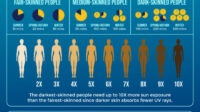
Fifty thousand international units (IU) is a dosage that appears repeatedly in deficiency protocols because it can move blood levels upward more rapidly than low daily doses. Deficiency can persist for reasons that are surprisingly varied: limited sun exposure, darker skin pigmentation, certain gastrointestinal conditions, malabsorption syndromes, obesity, and medication interactions. Each factor influences how much vitamin D the body can absorb or retain.
For many clinicians, 50,000 IU represents a practical “amplitude” for repletion—strong enough to generate momentum, yet often constrained by duration. Instead of a slow climb that could take months, a short course can accelerate restoration of adequate levels.
However, not everyone needs the same intensity. Serum baseline levels, symptoms, risk factors, and lab patterns all shape the decision. Two people may both be “low,” yet one requires a more assertive course while the other responds well to gentler replacement.
Vitamin D Types: D2 vs D3 and What Changes
Vitamin D comes in different chemical forms. Two of the most common are vitamin D2 (ergocalciferol) and vitamin D3 (cholecalciferol). The choice is not trivial. While both can raise serum vitamin D, many health discussions favor D3 for its association with more robust and durable improvements in vitamin D status. Still, prescribing practices and available products vary.
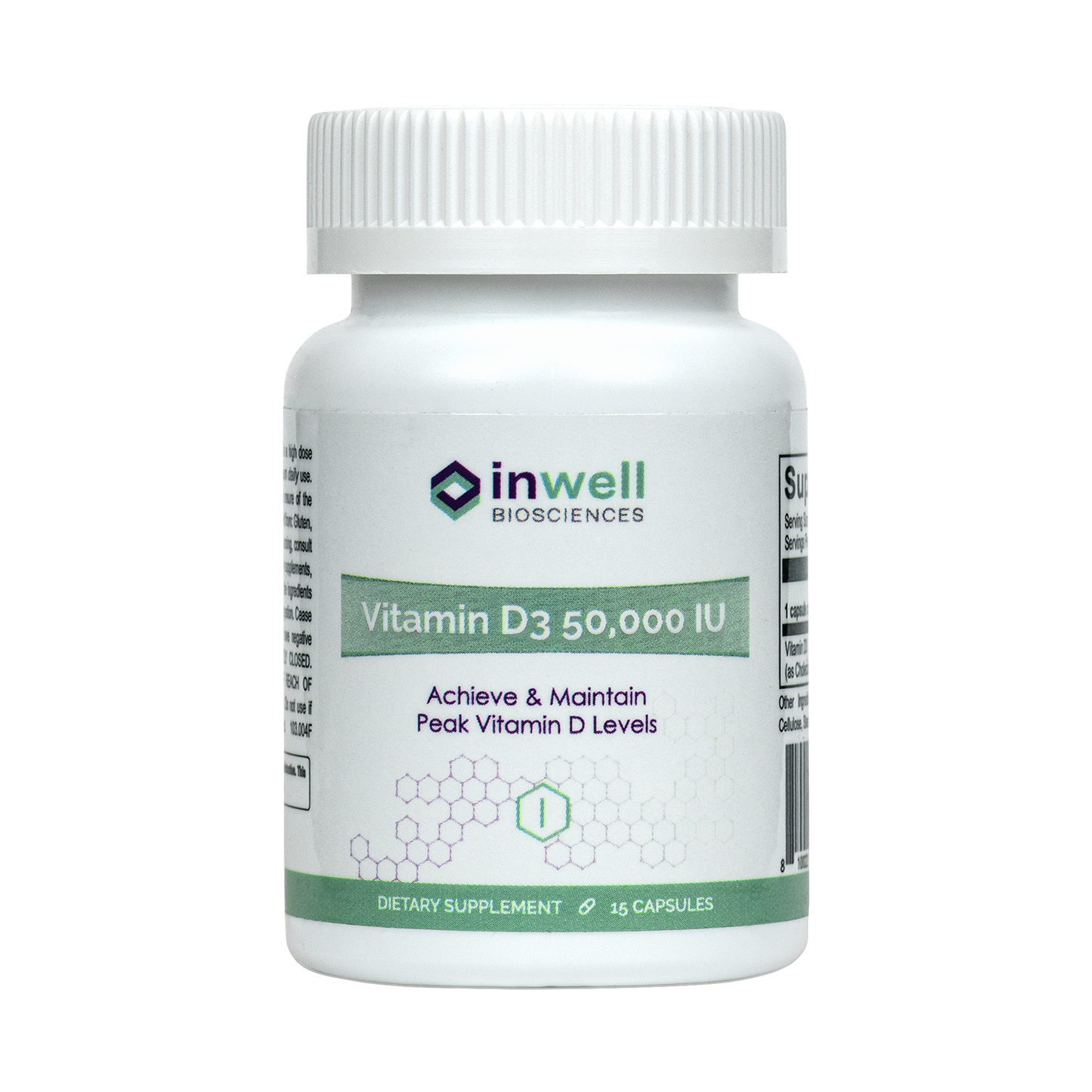
Vitamin D2 is often seen in high-dose formulations as well, including 50,000 IU softgels. Vitamin D3 is also frequently offered in similar high-dose formats. Ultimately, the “right” form is the one that aligns with the treatment plan, absorption considerations, and clinician preference.
In narrative terms, imagine D2 and D3 as different keys attempting to open the same lock. Both can work, but one may turn more smoothly depending on the door—your metabolism, your body’s baseline, and your unique absorption capacity.
Common Treatment Patterns for 50,000 IU
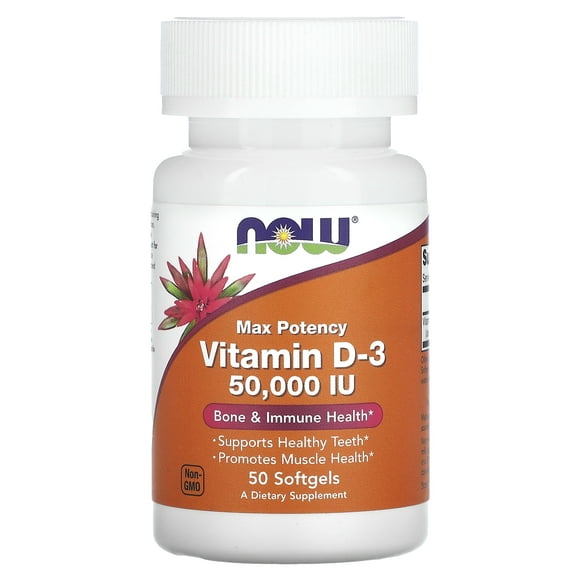
Prescription-strength dosing varies widely, but a common pattern is a short repletion course with 50,000 IU administered weekly. Some protocols use a daily high-dose regimen for a limited time, while others adjust frequency based on lab results and risk profile. The narrative thread is consistent: high-dose vitamin D is typically not designed for indefinite continuation.
Clinicians often recheck levels after a defined interval. This is where individualized medicine becomes visible. If vitamin D levels rise as expected, the plan can transition toward maintenance. If levels don’t respond adequately, the reasons may include inadequate absorption, incorrect adherence, concurrent conditions, or interactions with other therapies.
Maintenance might involve lower daily or weekly doses. The precise amount is not universal; it is a tailored balance between keeping stores adequate and avoiding unnecessary accumulation.
Signs of Deficiency vs. Signs of Excess
Vitamin D deficiency can be stealthy. Some people feel low energy, experience diffuse aches, or notice changes in mood. Others have no obvious symptoms at all. That’s why lab testing matters: the body can conceal a deficit until it begins affecting bone health, muscle function, and immune signaling pathways.
Excess, on the other hand, is more concerning because it can drive elevated calcium levels. Hypercalcemia can present with nausea, constipation, excessive thirst, frequent urination, confusion, and in severe cases, kidney-related complications. These symptoms are not a “typical” vitamin D story. They’re a cautionary tale—one that underscores the importance of clinician-guided dosing and follow-up labs.
One of the most underappreciated concepts is that vitamin D doesn’t work alone. Calcium, magnesium, and overall metabolic context influence the outcomes of supplementation. That means the “dose number” is only half the equation.
Absorption, Timing, and the Role of Fat
Vitamin D is fat-soluble, which affects both absorption and strategy. Taking vitamin D with a meal that contains dietary fat can improve uptake. For high-dose regimens, absorption efficiency becomes especially important. If the gut is not absorbing effectively, the body may struggle to reach therapeutic levels even when the dose seems adequate.
Timing can also matter. Many people prefer taking vitamin D with breakfast or dinner, aligning intake with consistent dietary fat patterns. Some choose to take it at the same time each day or week, which can improve adherence and make follow-up labs more interpretable.
In an uncommon-but-useful mental model, consider vitamin D as a cargo shipment that needs the right warehouse conditions. Fat provides part of the shipping environment; gallbladder function and bile flow can influence performance; and gastrointestinal health can determine how much cargo actually arrives.
Who Might Be a Candidate for 50,000 IU?
Not every low vitamin D level leads to prescription-strength dosing. Clinicians are more likely to prescribe higher doses when deficiency is significant, when there are risk factors for bone health problems, or when symptoms suggest clinically relevant low status. Certain populations are more prone to deficiency: older adults, individuals with limited sun exposure, those with darker skin tone, people with obesity, and patients with malabsorption conditions.
People on medications that affect vitamin D metabolism may require special attention too. Also, pregnancy and lactation can influence requirements, though dosing decisions should always be individualized.
Importantly, 50,000 IU is best viewed as a targeted intervention. A thoughtful plan considers the cause of deficiency, not just the lab value.
How to Expect Follow-Up and Monitoring
When using high-dose vitamin D, follow-up is a central storyline. Providers may recheck 25-hydroxyvitamin D after a course to confirm response. Depending on the clinical context—especially in patients with kidney issues, a history of calcium problems, or other comorbidities—additional labs such as calcium, phosphorus, and sometimes parathyroid hormone may be considered.
This monitoring isn’t meant to slow the process; it’s meant to prevent detours. Vitamin D status can improve, but the “safety dashboard” must also be assessed—particularly because vitamin D interacts with calcium regulation.
For readers, this translates into practical expectations: if the plan includes 50,000 IU, it should usually come with an endpoint, a check-in, and then a transition to maintenance.
Choosing Between Gummies, Softgels, and Capsules
Form factor affects convenience and adherence. Softgels and capsules can be straightforward for high-dose schedules. Liquid forms can offer flexibility for those who struggle with swallowing pills. Gummies can be appealing, though they’re more commonly used for maintenance rather than dramatic repletion doses—because achieving 50,000 IU via gummies can be impractical.
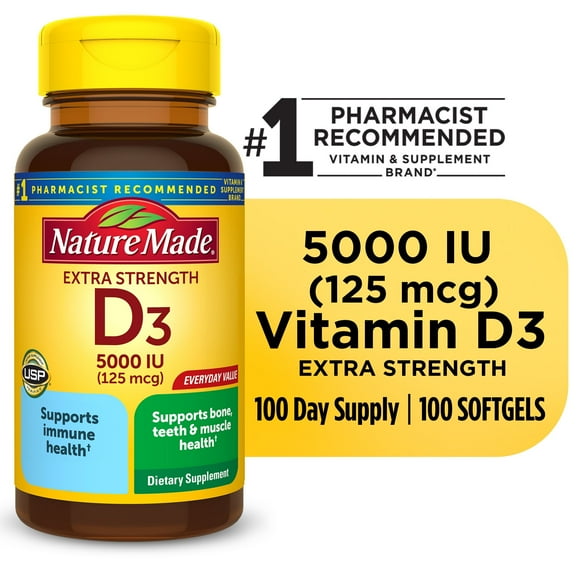
Gels and capsules also tend to align better with fat-soluble absorption. Yet regardless of format, the key is dosage accuracy and consistency. Readers should pay attention to the IU per serving and avoid stacking multiple supplements unintentionally.
A high-dose regimen is not a place for “guessing.” It’s a place for exact arithmetic—how many IU, how often, and for how long.
Safety Notes and Common Mistakes
One frequent mistake is continuing a high-dose regimen longer than advised. Another is doubling up—taking 50,000 IU while also using a separate multivitamin or additional vitamin D supplement. Even well-intentioned stacking can push intake higher than intended.
Quality matters too. Reliable labeling and reputable manufacturing reduce the risk of inconsistent dosing. Readers should look for clear IU labeling and consider medical guidance for long-term strategy.
Finally, vitamin D should be treated as part of a broader health ecosystem. If someone has symptoms or lab abnormalities related to calcium metabolism, the safest plan involves coordinated monitoring rather than self-directed experimentation.
The Bottom Line on 50,000 IU as Prescription-Strength
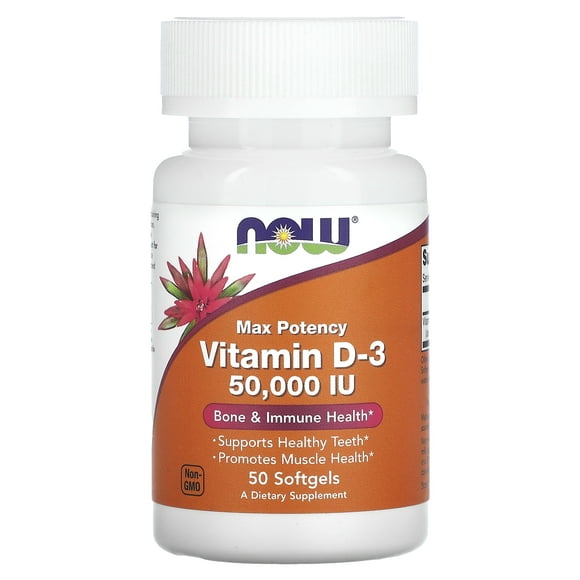
Vitamin D 50,000 IU is often considered prescription-strength because it is designed for repletion—an organized approach to correcting deficiency under medical oversight. It may appear in protocols as vitamin D2 or vitamin D3, with the larger objective remaining the same: restore adequate vitamin D status, then shift to maintenance.
For readers, the most important takeaway is not the number alone. The real marker of a safe, effective strategy is the structure surrounding the dose: timing, absorption considerations, lab follow-up, and a clear endpoint. When those elements align, 50,000 IU can be less like a gamble and more like a carefully calibrated restoration.