Inflammation is often described like a fire—hot, noisy, and impossible to ignore. But in the body, it behaves more like an overzealous watchtower: it keeps scanning the horizon long after the threat has faded. When immune signaling stays “on,” tissues can pay the price. Vitamin D—especially in its D2 and D3 forms—works more like a diplomatic mediator than a brute extinguishing agent. It helps calibrate immune responses, nudging inflammation toward balance. Yet not all vitamin D molecules play the same instrument. D2 and D3 may share a family resemblance, but they differ in how effectively they influence the inflammatory landscape.
Vitamin D and the Inflammation Switch: Why It Matters
Inflammation is not inherently evil. It’s the body’s alarm system—urgent, protective, and sometimes gloriously necessary. The complication arrives when the alarm system malfunctions into chronic noise. Research and clinical practice often point toward vitamin D as a modulator of immune function. Think of vitamin D as a conductor in an orchestra of immune cells, guiding tempo and harmony. When vitamin D levels are insufficient, that conductor becomes inconsistent: immune cells may overreact, cytokines can surge, and inflammatory pathways may become more active than they should be.
D3 and D2 both contribute to maintaining vitamin D status, but the “governance style” they bring to inflammatory regulation can vary. The story isn’t only about raising numbers on a lab report—it’s about how those levels translate into immune signaling downstream.
Meet Vitamin D2 vs D3: The Same Name, Different Routes
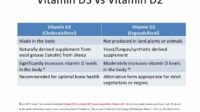
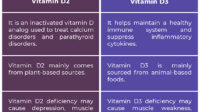
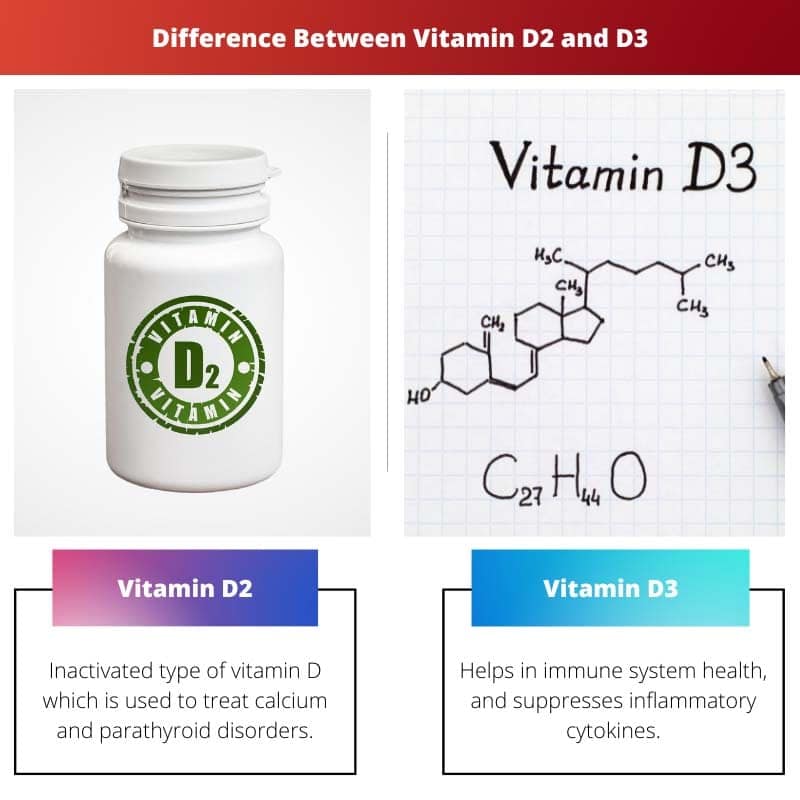
Vitamin D exists in forms that differ in their side-chain structures. Vitamin D2 (ergocalciferol) is commonly derived from plant sources and certain fortified foods. Vitamin D3 (cholecalciferol) is typically associated with sunlight-driven synthesis in the skin and appears in many animal-based foods. Despite both aiming to become active vitamin D metabolites, they travel through the body with subtle differences in efficiency.
To visualize it: imagine two delivery trucks heading toward the same city. Both carry crucial supplies, but one route may be smoother, the cargo may arrive with less loss, and the final handoff to local services may happen faster. Those distinctions can influence how robustly inflammation-related pathways are tempered.
How D3 May Influence Inflammatory Signaling More Effectively
Inflammation regulation often depends on how well vitamin D status is maintained. Vitamin D receptors are present in immune cells, including macrophages and lymphocytes. When vitamin D is adequately available, it can help fine-tune gene expression tied to inflammatory mediators. Some people find that maintaining higher, steadier vitamin D levels supports a calmer immune tone—less “flare-up theater,” more measured response.
D3 is frequently noted for its ability to raise and sustain vitamin D levels in the bloodstream. In the context of inflammation, that matters because immune modulation is not a switch you flip once. It’s closer to a dimmer. If the dimmer doesn’t receive enough stable input, you may still see flickering: inflammation may remain more reactive than desired.
In practical terms, if someone is addressing inflammation-related discomfort—whether that’s general inflammatory tendencies or specific conditions—D3 often feels like the more dependable courier delivering vitamin D’s regulatory signals.
D2’s Unique Appeal: Plant-Based Possibility With a Distinct Character
Vitamin D2 has an appeal rooted in accessibility and dietary preferences. For individuals who avoid animal-derived products, D2 can represent a meaningful option to support vitamin D intake. If inflammation is the story’s plot, dietary adherence is the subplot that quietly determines the ending. A method you can consistently follow often outperforms a “perfect” method you can’t maintain.
D2 can still contribute to correcting deficiency and supporting immune modulation. Some people may experience benefits when using D2—especially when they start with low baseline vitamin D and monitor their levels over time. Consistency, dosing strategy, and follow-up testing shape the results as much as the form itself.
In other words, D2’s uniqueness is not merely chemical—it’s lifestyle-aligned. It can make the inflammation-calming narrative possible for more people, which is its own kind of advantage.
Bioavailability and Blood Levels: The Inflammation Angle
When discussing inflammation, the relevant question is not only “Does vitamin D work?” but “How effectively does the form translate into usable vitamin D status?” Vitamin D status is typically measured as 25-hydroxyvitamin D. From there, the body uses it as a substrate for further biological activity, including pathways connected to immune function.
D3 is often associated with more predictable improvements in vitamin D status across many individuals. This predictability can matter for chronic inflammation scenarios where immune modulation benefits from steady input rather than dramatic oscillation. If vitamin D levels rise too quickly then fall, the immune system may experience uneven regulation—like alternating between a soothing lullaby and a sudden siren.
D2 can also raise levels, but the pattern may be different for some people. That doesn’t make it inferior—it means planning matters. Some users need different dosing schedules to achieve similar stability.
Active Vitamin D Pathways: Where the Real Immune Conversation Happens
Vitamin D’s inflammatory role is partly mediated by how it influences the immune system through receptor activity and gene regulation. After circulating forms are converted into active metabolites, they interact with vitamin D receptors that can influence inflammation-related gene expression. This can include effects on cytokines—chemical messengers that can either escalate or de-escalate inflammatory responses.
Think of it like a negotiation between immune actors. Inflammation is the boardroom, cytokines are the talking points, and vitamin D is the mediator who encourages civility. If mediator presence is weak, the meeting becomes louder. If mediator presence is adequate, the meeting can reach a calmer compromise.
D3 and D2 both feed into this system, but the efficiency of the upstream supply influences how reliably the mediator shows up.
Which One Fits Your Inflammation Goals? A Practical Decision Guide
The better question is often: “Which option supports your consistency and your likely needs?” If you’re aiming to reduce inflammation and you also want a form that commonly helps sustain vitamin D levels, D3 often earns the spotlight. If you’re plant-based, strongly prefer non-animal-derived products, or need compatibility with your dietary framework, D2 becomes a sensible, respectable choice.
Consider your current vitamin D status. If you’re deficient, both forms can potentially help, but the difference may show up in how quickly you reach target ranges and how long they remain. Consider also your ability to take supplements consistently. A modest plan executed faithfully can be more impactful than an aggressive plan that’s abandoned.
Finally, consider timing and follow-up. Inflammation-related outcomes should ideally be paired with lab monitoring, because vitamin D is not a one-size-fits-all supplement. The immune system is sensitive to context—baseline status, co-nutrients, and overall health all influence the result.
Safety, Dosing, and Monitoring: Avoiding the “Too Much of a Good Thing” Trap
Vitamin D is fat-soluble, meaning it can accumulate if dosing becomes excessive. While the goal is immune support and inflammation moderation, safety must remain a cornerstone. Over-supplementation can raise calcium levels and create unwanted effects. That’s why monitoring and guided dosing are crucial—especially for people who supplement regularly or have underlying conditions.
A thoughtful approach typically includes checking baseline 25-hydroxyvitamin D, choosing a dose that fits your level, and rechecking after an appropriate interval. If inflammation is the concern, it can also help to track symptoms alongside lab markers, because inflammation is multifactorial—sleep, activity, stress chemistry, and diet all contribute.

Common Myths and the Truth Behind the Headlines
One myth suggests vitamin D is universally interchangeable regardless of form. Reality is more nuanced: D3 often demonstrates stronger or more sustained increases in vitamin D status, while D2 can still be beneficial—particularly when it aligns with dietary needs and is used thoughtfully.
Another myth claims vitamin D automatically “eradicates” inflammation. Vitamin D is better understood as a moderator. It can help shift immune signaling toward balance, but it doesn’t override every inflammatory driver. Chronic inflammation frequently involves gut health, hormonal rhythms, metabolic factors, infection history, and stress-mediated pathways.
The truth is elegant: vitamin D helps tune the immune system’s volume control. The rest of the soundscape still matters.
The Bottom Line: A Calmer Immune Orchestra Starts With the Right Meter
Vitamin D3 and D2 both participate in the immune conversation that influences inflammation. D3 tends to offer a more reliable route to sustaining vitamin D levels, which may support steadier inflammatory modulation. D2, meanwhile, brings an appealing flexibility for those who prefer plant-based or non-animal-derived options, and it can still play a meaningful role—particularly when dosing and monitoring are handled with care.
Choose the form that you can take consistently, pair it with appropriate monitoring, and treat inflammation as a multi-instrument symphony rather than a single-note fix. When vitamin D status is supported wisely, the immune orchestra often becomes less chaotic—more cohesive, more controlled, and far less likely to sound like constant alarm.