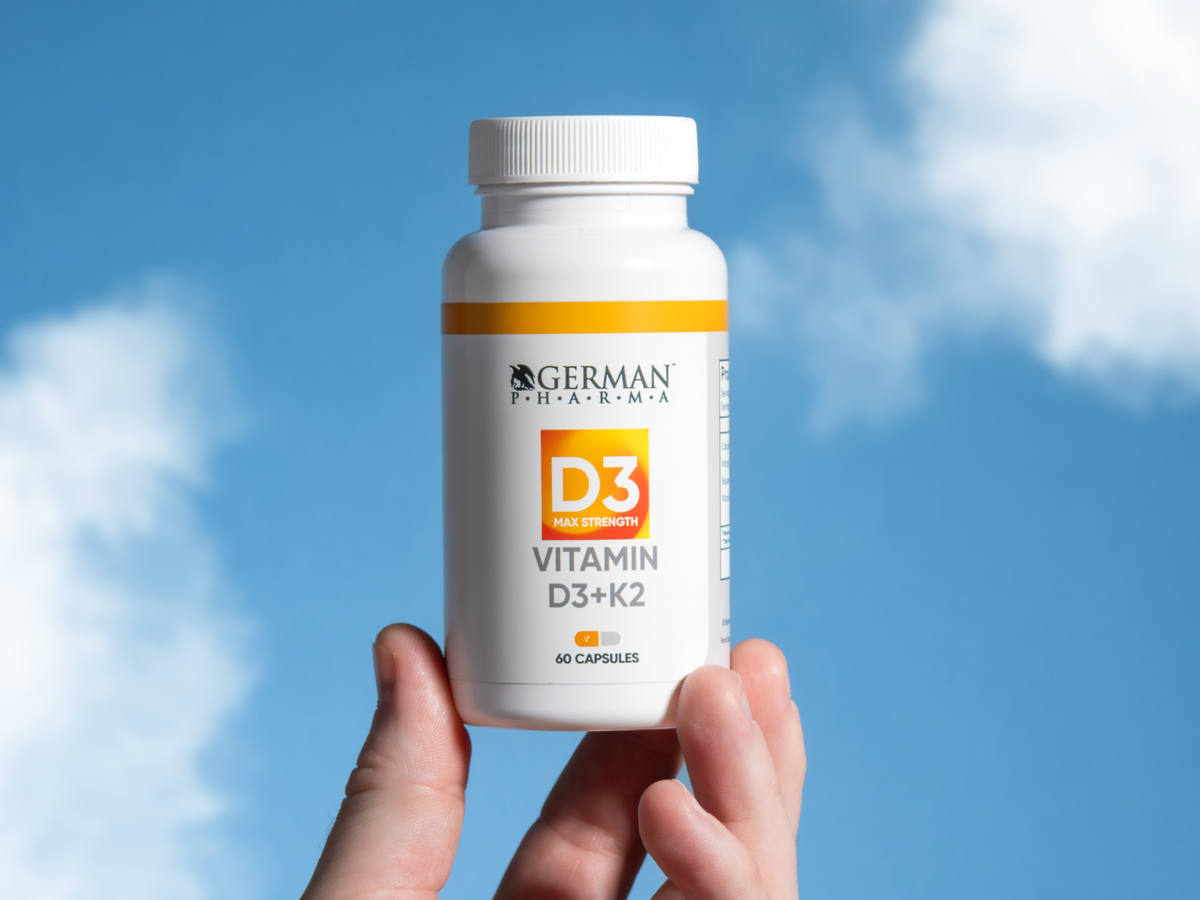
Hormonal acne can feel like an unpredictable weather system—clear skies one week, lightning-bolt breakouts the next. And if you’ve ever wondered whether Vitamin D3 plus Vitamin K2 could help steady that storm, you’re not alone. These two nutrients often travel together in supplement conversations, yet their partnership is more intriguing than a simple “vitamin stack.” Think of Vitamin D3 as the body’s sun-signal and Vitamin K2 as the architect that tells certain processes where to build. Together, they may influence the immune rhythm, skin resilience, and inflammation pathways that play roles in acne—especially the hormonal kind.
Why Hormonal Acne Acts Like a System, Not a Spot
Acne isn’t just a single event; it’s a cascade. The “hormonal” label points to the way androgens can nudge oil glands into overdrive. More sebum means pores can become congested. Add inflammation and bacterial involvement, and the skin’s environment shifts into something less cooperative.
In this context, supplements aren’t magic wands. But they can be like tuning forks. When the internal “notes” are off—such as immune signaling, vitamin-related metabolic pathways, or inflammatory tone—the skin may reflect the imbalance. Hormonal acne often behaves like a feedback loop. Break one link, and the whole system can gradually soften.
Vitamin D3: The Sun-Signal With Immunological Echoes
Vitamin D3 is best known for bone health, but it’s also deeply involved in immune regulation. In the skin and immune cells, Vitamin D3 can help modulate responses that otherwise spiral into excessive inflammation. That matters because acne lesions aren’t merely clogged pores—they’re inflammatory dramas.
When Vitamin D levels are low, the immune system can become less balanced, potentially allowing inflammatory signals to run louder. Imagine your body as an orchestra. Vitamin D3 doesn’t replace the instruments; it helps the conductor keep tempo. With more stable signaling, skin may be less prone to flare-ups that feel disproportionate to your daily routine.
It’s also worth remembering that Vitamin D is synthesized through sunlight exposure, and modern life often reduces that exposure. For many people, dietary intake alone doesn’t always compensate—especially during seasons with limited sun.
Vitamin K2: The Architect of Cellular Timing
Vitamin K2 is frequently misunderstood as a narrow “blood clotting” nutrient. In reality, K2 participates in a broader biochemical choreography—particularly in how certain proteins are activated. A key theme in skin and inflammation discussions is that K2 supports processes tied to tissue health and cellular function.
If Vitamin D3 is the signal, Vitamin K2 can be thought of as the deadline manager: it helps determine which vitamin-dependent proteins become active in the right contexts. This matters because biological systems thrive on coordination. When multiple pathways depend on synchronized activation, one nutrient’s presence can influence the effectiveness of another.
In other words, K2 may help ensure that the “direction” provided by D3 is properly translated into downstream cellular action. This is part of why the pairing is so compelling.
How the D3 + K2 Partnership Could Matter for Breakouts
So does Vitamin D3 + K2 directly “treat” hormonal acne? The most realistic answer is: it may support the internal terrain where acne is born.
Here are plausible connections that make the pairing worth considering:
1) Inflammation moderation: Vitamin D3 can influence immune behavior, potentially reducing excessive inflammatory cascades that fuel acne lesions.
2) Hormone-adjacent balance: While acne is influenced by hormones, vitamin pathways can indirectly affect how the body responds to hormonal signals and metabolic stressors.
3) Vitamin-dependent protein activation: Vitamin K2 supports activation of proteins related to tissue health. Healthy tissue isn’t just aesthetic; it can be less reactive.
4) Skin environment steadiness: When inflammatory signaling is calmer, comedone formation and lesion intensity may be less dramatic over time.
Short sentence, long implication: nutrients can shift the “background” even when the “cause” remains hormonal. That distinction is crucial for setting expectations that feel grounded rather than wishful.
What to Expect: Time, Consistency, and Realistic Signals
Acne improvements—when they occur from nutrient support—often take time. Skin is slow to remodel. Even when inflammation is dialing down, you may need weeks to see fewer active lesions or reduced severity.
Consider tracking subtle changes rather than chasing immediate perfection. Many people notice:
- Less frequent flares
- Smaller, less painful bumps
- Faster fading of spots
- More stable oiliness patterns
Long sentence, important nuance: if acne is severe, cystic, or rapidly worsening, nutrients should be viewed as complementary support, not a substitute for clinician-led treatment.
Intriguing Appeal: Why People Prefer This Duo Over One Alone
The unique appeal of Vitamin D3 + K2 lies in the “systems thinking” behind the pairing. Instead of taking one nutrient in isolation and hoping it performs single-handedly, the duo suggests a coordinated mechanism. D3 may set the stage, K2 may help deliver the performance.
It’s also a psychological benefit—an uncommon but real advantage. People often feel more confident when their approach reflects biological logic rather than random supplementation. Confidence can influence consistency, and consistency is the hidden engine behind most outcomes, whether in skincare routines or lifestyle shifts.
How to Pair Supplements With a Skin-Smart Routine
Even the best supplement has to cooperate with your skincare and lifestyle. For hormonal acne, support often means reducing friction and inflammation in daily habits.
Try to build a routine around:
- Gentle cleansing: Avoid stripping the skin barrier.
- Non-comedogenic hydration: Lightweight moisturizers can help maintain calm.
- Barrier-friendly actives: Ingredients like niacinamide or azelaic acid may complement inflammation control.
- Sun protection: If you’re supplementing Vitamin D, sun safety still matters for overall skin health.
Short metaphor: your routine is the stage crew. Supplements are the script. Together they reduce chaos.
Dosing Considerations: The “Match the Metabolism” Principle
Dosing is not one-size-fits-all. Vitamin D3 and K2 levels can vary based on baseline nutrition, diet, sun exposure, body weight, and overall health. Because these vitamins participate in multiple pathways, it’s wise to treat dosing with care.
If you’re considering a supplement regimen, consider discussing it with a healthcare professional—especially if you have underlying conditions, are pregnant, or take medications that affect blood clotting or nutrient metabolism.

Safety and Red Flags: When to Slow Down
Vitamins aren’t automatically “safe” just because they’re natural. Vitamin D3 excess can be problematic in high doses over time. Vitamin K2 is particularly relevant for people on anticoagulant therapy, where interactions may require careful guidance.
Red flags to treat seriously include persistent hypercalcemia symptoms (such as unusual thirst or frequent urination), unexpected bruising or clotting concerns, or worsening acne alongside other systemic symptoms. Long sentence, clear takeaway: if something feels off, stop and seek professional guidance rather than continuing blindly.
The Bottom Line: Does It Work for Hormonal Acne?
Vitamin D3 + K2 isn’t a guaranteed cure for hormonal acne. But it can be a meaningful support strategy—especially for individuals who may be low in Vitamin D or have inflammation that seems to flare with hormonal changes. The partnership is compelling because it suggests coordinated biology: D3 influences immune signaling; K2 helps ensure vitamin-dependent processes function in harmony.
Think of hormonal acne as a choir singing out of tune. Vitamin D3 and K2 may help bring certain voices back into alignment, so the music becomes less jagged. If you’re consistent and cautious—pairing supplementation with a barrier-friendly routine and realistic timelines—you may notice a calmer, more controlled skin season.