When the immune system is already under pressure, vitamin D can feel like an afterthought—something discussed only after labs return or symptoms flare. But the more you look at the biology, the more vitamin D begins to resemble a quiet strategist. Not a medic in the dramatic sense, not a silver bullet. Instead, it appears to be a regulator of immune “tone,” nudging cells toward coordination rather than chaos. For immunocompromised patients, that promise of balance is precisely what makes vitamin D worthy of a second look.
A new way to think: vitamin D as an immune “orchestrator”
Immunocompromised status can emerge from many causes—organ transplantation, chemotherapy, certain autoimmune therapies, chronic kidney disease, or medications that blunt immune signaling. In such settings, the body may struggle not only to fight infection, but also to calibrate inflammation.
Vitamin D’s role stretches beyond bone health. It influences innate immunity (the first responders) and adaptive immunity (the learned response). Immune cells carry vitamin D receptors, which means vitamin D can effectively “speak” to them. The result is a shift from blunt reactivity toward disciplined responsiveness—less prone to runaway inflammation, more capable of targeted defense.
That reframing matters. Rather than asking, “Will vitamin D stop infections?” it’s often more accurate to ask, “Can vitamin D help immune processes run with fewer glitches?” Curiosity tends to awaken here, because deficiency is common and correcting it can be a manageable lever—especially compared with the complexity of many other interventions.
Who is at higher risk for deficiency in immunocompromised care?
Vitamin D deficiency rarely arrives alone; it’s frequently a downstream effect of circumstances. Immunocompromised patients often have overlapping risk factors:
Reduced sun exposure due to hospitalization, mobility limits, or intentional avoidance of peak UV.
Malabsorption from gastrointestinal conditions or medication effects.
Liver and kidney involvement that affects activation of vitamin D into its usable forms.
Higher catabolic demand—for example, during treatment cycles—when nutritional stores may be strained.
There is also a subtle psychological component. When care is dominated by urgent priorities, vitamin D status can quietly fall between the cracks. Yet many patients are surprised to learn that deficiency can coexist with normal general appetite and even with adequate dietary intake, because vitamin D synthesis from sunlight is only one pathway, and the body’s conversion system can be impaired.
How safety gets decided: screening, labs, and clinical context
The safest approach begins with understanding the patient’s baseline. Clinicians typically evaluate serum 25-hydroxyvitamin D—the most reliable marker of vitamin D stores. Sometimes additional labs matter too: calcium, kidney function, and factors that influence metabolism.
Immunocompromised patients are not a monolith. Dosing plans must consider:
Renal function (the kidney participates in vitamin D activation).
Calcium balance (hypercalcemia risk is the central toxicity concern).
Concurrent supplements and fortified foods (stacking can occur unintentionally).
Medication landscape (some therapies alter metabolism, absorption, or calcium regulation).
In other words, safety isn’t a single number. It’s the combination of labs, risk factors, and the patient’s overall treatment trajectory. This is where many people shift perspective from “vitamin D as a generic supplement” to “vitamin D as a titrated therapy.”
Dose targets: moving from deficient to sufficient
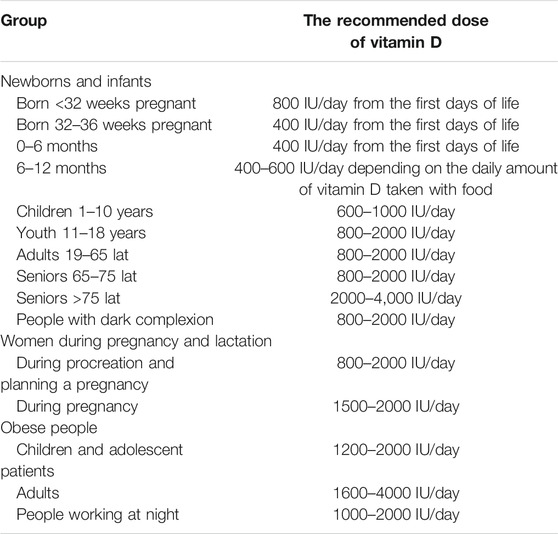
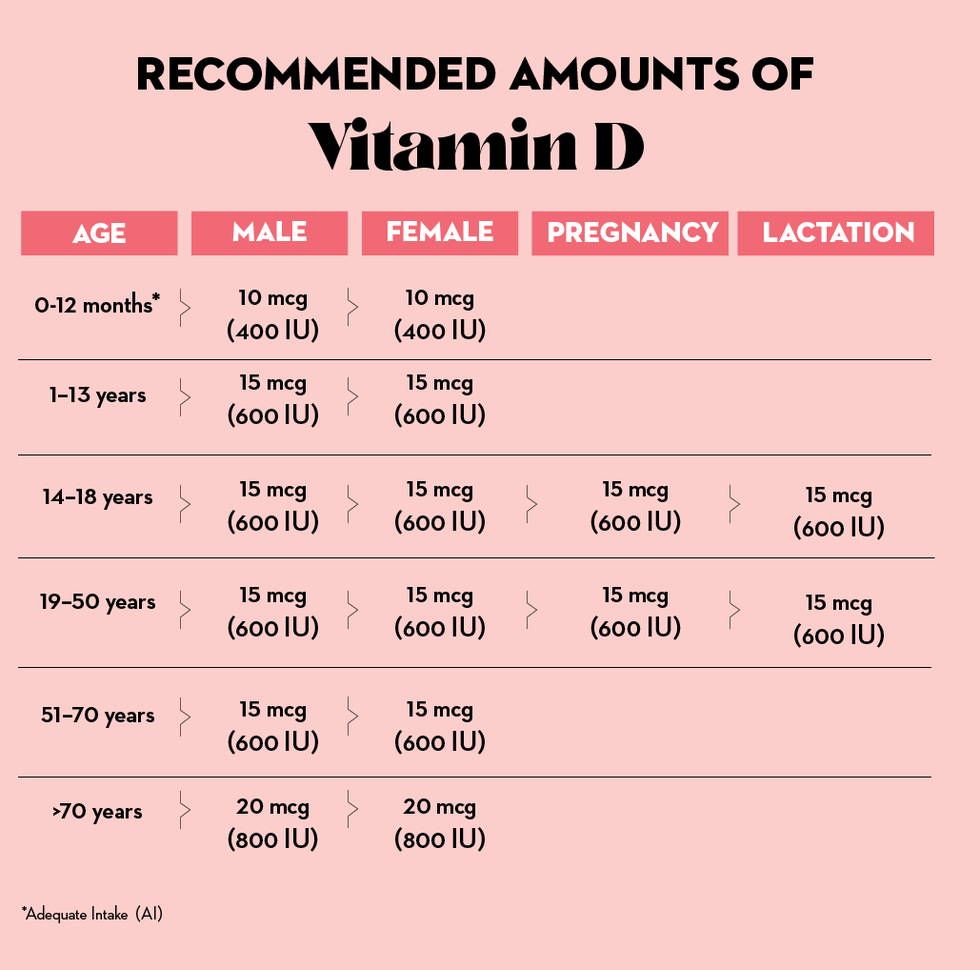
For immunocompromised patients, vitamin D dosing often aims to correct deficiency and maintain adequate levels. Guidance commonly organizes dosing by serum 25(OH)D status, with different strategies for repletion versus maintenance.
Repletion is usually more assertive—because time matters when immune efficiency may be compromised. Maintenance is more conservative, designed to sustain levels without overshooting.
In practice, clinicians may use weight-adjusted or risk-adjusted approaches, but the conceptual framework stays consistent:
Step 1: Replete (when levels are low) to reach a safer, more functional range.
Step 2: Maintain to prevent drift back into deficiency.
Step 3: Recheck after an interval to confirm that the body is responding appropriately.
This “two-step, then verify” method feels less like a gamble and more like engineering—precise, methodical, and responsive to measured data.
What about immunosuppression treatments and interactions?
Immunocompromised patients may be receiving medications that affect immune function and, indirectly, vitamin D handling. The key is not panic—it’s coordination. Vitamin D supplementation should be discussed with the treating team so the plan harmonizes with the patient’s broader protocol.
Several interaction patterns are commonly considered:
Absorption influences: gastrointestinal therapies and conditions can change how well vitamin D is absorbed.
Metabolic influences: some regimens can alter vitamin D activation or downstream signaling.
Calcium or phosphate sensitivity: patients with bone or mineral disorders may need more careful monitoring.
Even when no direct interaction exists, immunocompromised patients often have a narrower margin for error. Safety monitoring becomes less optional and more foundational.
And yet, there’s an empowering angle. When dosing is managed thoughtfully, vitamin D becomes a relatively low-burden intervention that can be aligned with laboratory feedback—an advantage in complex care settings.
Safety first: recognizing toxicity signals and monitoring
Vitamin D toxicity is uncommon but real, primarily because vitamin D can increase calcium absorption. The toxicity story often unfolds as hypercalcemia—too much calcium in the bloodstream—followed by symptoms such as excessive thirst, frequent urination, constipation, confusion, or unexplained fatigue.
Risk rises with excessive dosing, prolonged high intake, or impaired kidney function. That’s why immunocompromised patients—particularly those with renal involvement—may require closer surveillance.
A safety-minded monitoring rhythm may include checking calcium and 25(OH)D at appropriate intervals, especially after starting or changing doses. Clinicians may adjust the plan if levels overshoot or if calcium trends upward.
For patients and caregivers, the safest mindset is proactive rather than reactive. If symptoms appear after dose escalation, pausing supplements and contacting the care team quickly is prudent. The earlier the recalibration, the easier the correction tends to be.

Special situations: transplantation, chemotherapy, and chronic illness
Immunocompromised care is not static. Kidney function may change after treatment. Nutritional intake may swing. Infections and inflammation can fluctuate. These shifts can affect vitamin D needs and how safely doses should be pursued.
Transplant recipients often require vigilant monitoring because the combined effects of medications, sun exposure, and kidney status can make vitamin D unstable.
Chemotherapy or hematologic malignancies can alter nutrition and metabolism; fatigue and hospitalization reduce sunlight exposure. Correction can be helpful, but timing and dosing must align with ongoing therapy.
Chronic inflammatory conditions may create a background rhythm of deficiency and altered immune signaling. Vitamin D may function as a stabilizer—helping dampen disorderly immune behavior.
In each scenario, curiosity becomes clinical wisdom: vitamin D isn’t merely “taken.” It’s negotiated with the patient’s evolving physiology.
Dietary support and sunlight: helpful, but not always enough
Food can contribute, but vitamin D from diet is often modest compared with the levels achieved through controlled supplementation—especially when deficiency is present. Fatty fish, fortified dairy alternatives, egg yolks, and certain fortified products can help, but many immunocompromised patients still fall short.
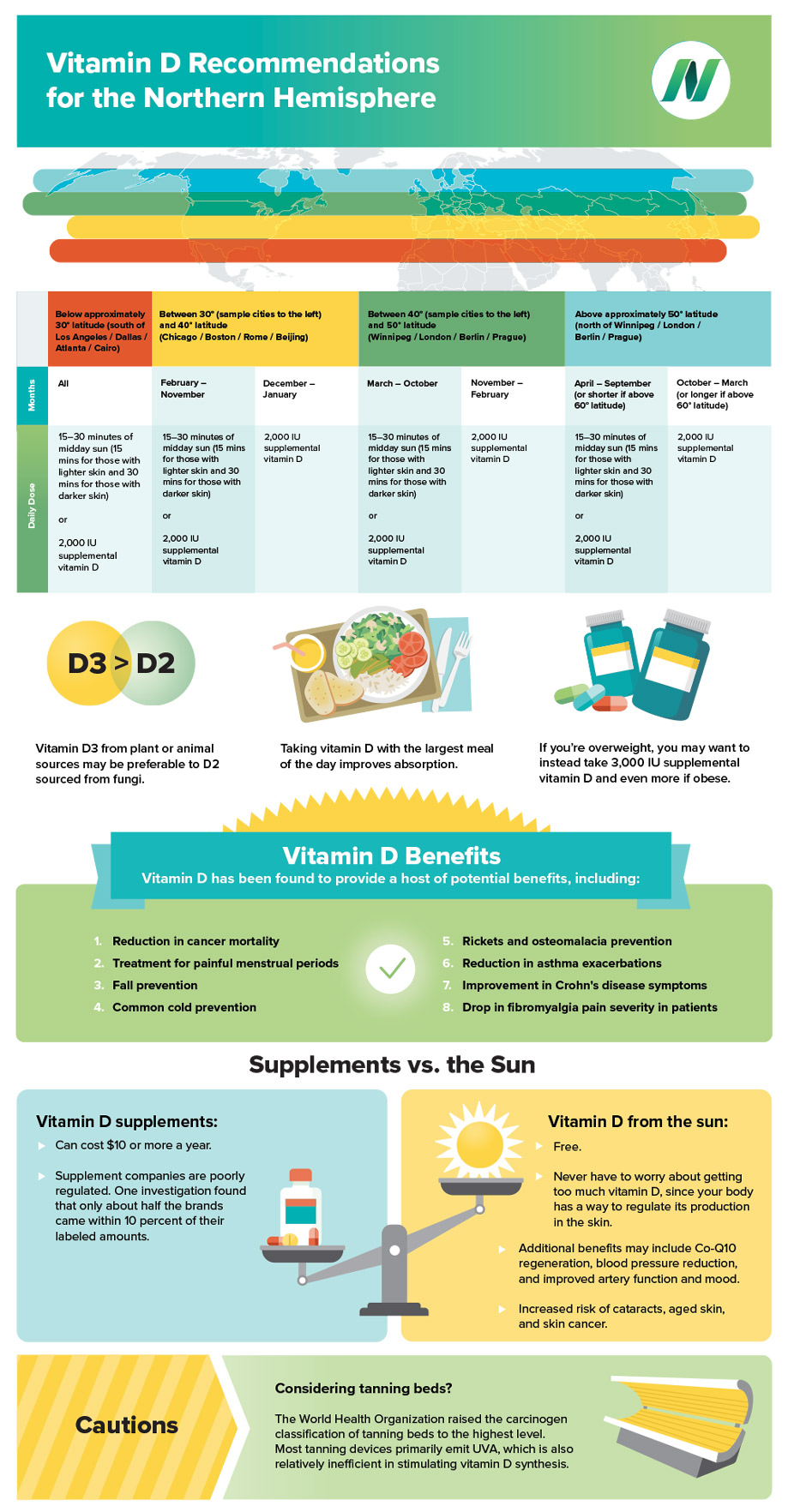
Sunlight can stimulate vitamin D production, yet it’s complicated by real-world factors: skin sensitivity, reduced mobility, geographic latitude, and sometimes deliberate UV avoidance during medical care. For these reasons, supplementation often becomes the more predictable route.
The most effective strategy frequently blends methods: nutritional support for baseline resilience, and supplementation for targeted correction.
Practical next steps: building a safe, personalized plan
If you’re caring for someone who is immunocompromised, the pathway can be surprisingly straightforward when structured:
1) Ask for a 25(OH)D check if not already measured.
2) Review calcium and kidney function to understand safety constraints.
3) Choose a repletion versus maintenance strategy based on baseline levels and risk.
4) Avoid stacking doses from multiple supplements without a unified plan.
5) Recheck after dose changes to confirm response and avoid overshoot.
That final step—verification—is what transforms vitamin D from a vague notion into a managed clinical tool. It’s the difference between hope and precision.
Vitamin D may not rewrite the immune system overnight, but it can shift the background conditions under which immunity operates. And for immunocompromised patients, background conditions are everything: the quiet framework that determines whether defense is coordinated or strained.