Depression is often discussed as if it were an isolated event inside the skull—an internal weather system that moves through thoughts and feelings. Yet the body rarely behaves like a sealed chamber. The gut, with its microbial citizens and chemical messengers, and vitamin D, with its hormone-like reach, form a partnership that is increasingly difficult to ignore. When vitamin D status intersects with the gut–brain axis, the result can be a cascade of neuroimmune signals, neurotransmitter modulation, and inflammatory tuning. That is why a common observation—people reporting low mood alongside low vitamin D—can feel both familiar and unsettling. Familiar, because it appears frequently. Unsettling, because it hints that depression might be partly written in biology we have not been fully reading.
Why the “Vitamin D–Depression” Connection Feels Intuitively Familiar
Many people have noticed a pattern: when vitamin D levels drop, energy dips, sleep becomes irregular, and emotional steadiness weakens. On the surface, this seems almost too simple. Depression is multifactorial, and yet low vitamin D shows up often in clinical conversations and everyday anecdotes.
The deeper fascination lies in how vitamin D is not merely a nutrient. It behaves like a pleiotropic regulator, influencing gene expression across immune cells, epithelial barriers, and—indirectly—neuronal function. That broader reach makes it plausible that vitamin D insufficiency can tilt the body toward conditions commonly associated with depressive symptoms: chronic low-grade inflammation, altered stress responses, and disrupted circadian rhythms.
The Gut–Brain Axis: A Two-Way Street Built from Chemistry
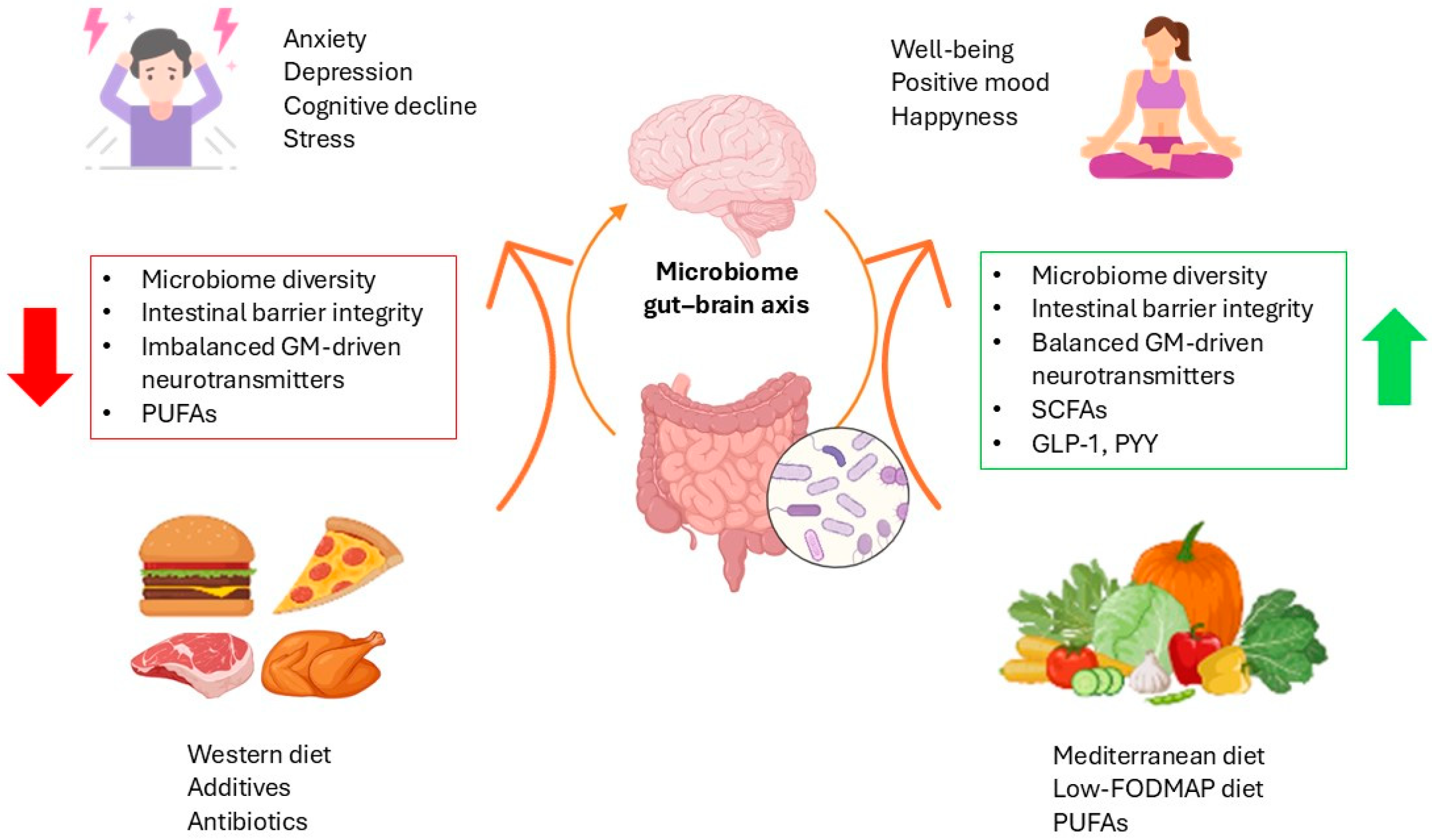
The gut–brain axis is often summarized as “communication.” That word is true but bland. Communication implies intention; the gut’s language is chemical and electrical, enacted through multiple channels: vagal signaling, microbial metabolites, endocrine pathways, and immune mediators that travel like messenger birds.
Inside the intestine, trillions of microbes transform dietary components into bioactive metabolites—some calming, some pro-inflammatory, many still being characterized. Meanwhile, the gut lining acts as a selective boundary. When that boundary is robust, fewer inflammatory signals spill across. When it is compromised, immune activation can become a persistent background hum—an environment known to influence mood circuitry.
Depression, in many models, is not only a psychological state. It is also a state of altered neurobiology: microglial reactivity, cytokine profiles, and synaptic plasticity. The gut–brain axis is a plausible staging ground for those shifts.
Vitamin D’s Role: More Than Bones, More Than Minerals
Vitamin D participates in immune regulation and epithelial integrity. Its active form—calcitriol—binds to vitamin D receptors present in a variety of tissues. Importantly, immune cells express these receptors too, meaning vitamin D can influence how aggressively the body responds to perceived threats.
In practical terms, vitamin D may help recalibrate inflammatory pathways. It can also influence antimicrobial peptide production, which supports microbial balance. This matters because microbial dysbiosis is not just an ecological inconvenience; it can alter metabolite production and immune tone.
There is another reason the connection captivates researchers: vitamin D might affect the brain’s response to stress by shaping cytokine signaling and neurotrophic factors. Mood is not only about neurotransmitters. It is also about the brain’s capacity to adapt—its synaptic resilience.
How Low Vitamin D May Disturb the Gut Microbiome
Microbes are sensitive to the biochemical climate of the gut. If vitamin D is low, the intestinal environment may shift in ways that allow less desirable microbial populations to gain influence. This can happen through changes in antimicrobial defenses, mucosal barrier function, and immune regulation—each a lever that affects microbial composition.
Dysbiosis can raise intestinal permeability, sometimes described as “leaky gut,” though the reality is nuanced. Increased permeability means that microbial fragments and inflammatory triggers can cross into circulation or stimulate immune signaling more readily. The result is a greater inflammatory burden—one that can reverberate through brain immune pathways.
Short sentences are useful here: the gut becomes more inflammatory. The bloodstream carries more signals. The brain listens.
Inflammation as the Bridge: Cytokines, Microglia, and Mood
Inflammation is sometimes framed as a peripheral phenomenon, but in neurobiology it is central. Cytokines—immune signaling proteins—can influence brain function by affecting neurotransmitter metabolism, neuronal firing patterns, and synaptic plasticity. Inflammation can also alter microglia, the brain’s immune surveillance cells.
When microglia are chronically activated, the neural environment can become less permissive for mood stability. Synapses may become more fragile. Reward processing can be disrupted. Even sleep architecture can be altered, because inflammation interacts strongly with circadian regulation.
Vitamin D, through its immune-modulating capacity, may reduce the inflammatory signaling pressure that nudges the brain toward depressive phenotypes. It is not a “cure pill.” It is more like a climate-control knob that influences the background temperature of immune activity.
Serotonin Beyond the Stereotype: Gut-Derived Signals and Neurotransmitter Pathways
Serotonin is frequently treated as a brain neurotransmitter, but a substantial portion of serotonin-related activity involves the gut and its microbes. Microbial metabolites can influence serotonin synthesis and signaling. Additionally, tryptophan—the precursor in serotonin pathways—depends on metabolic routing that can be skewed by inflammation and microbial ecology.
Here the gut–brain axis behaves like a relay system. The intestine produces signaling molecules. Those signals modulate immune responses and metabolic pathways. The brain receives altered messages, not as direct mail, but as changes in the biochemical “routing table.”
Vitamin D may support this relay by moderating inflammatory stress that otherwise steers tryptophan metabolism away from mood-relevant pathways.
Stress Physiology and the HPA Axis: The Hidden Conversation
The hypothalamic–pituitary–adrenal (HPA) axis coordinates stress responses. Stress hormones can shift gut motility, alter the gut barrier, and influence microbial composition. In turn, the gut can modulate stress-related signaling by shaping immune tone and producing metabolites that affect nervous system function.
In that feedback loop, vitamin D becomes particularly intriguing. If vitamin D helps regulate immune reactivity, it may reduce the exaggerated inflammatory component that often accompanies chronic stress. Less inflammatory volatility can mean a steadier stress response profile. Steadier systems tend to foster better emotional resilience.
Long sentences can feel like the loop itself: stress shifts the gut, the gut shifts the brain, and the brain shifts the stress system again.
Barrier Integrity: Tight Junctions, Mucus Layers, and Emotional Stability
One of the most compelling mechanistic themes is barrier integrity. The gut epithelium is not merely a wall; it is a dynamic sensor. When tight junction proteins and mucosal defenses are undermined, inflammatory cues become more frequent. That inflammatory signaling can influence neural circuits involved in mood.
Vitamin D’s role in epithelial function suggests a pathway: improved mucosal resilience could limit harmful exposures from the gut environment, reducing the burden of immune activation that travels toward the brain. In this model, vitamin D supports an internal environment in which the gut can be less provocative.
Depression often includes an “inside-out” component. Barrier dysfunction offers an outside-in metaphor—signals emerging from the gut that reach the brain and influence emotional tone.
Neurotrophic Factors and Synaptic Plasticity: The Brain’s Remodeling Budget
Depression is associated with altered synaptic plasticity, partly governed by neurotrophic factors such as BDNF (brain-derived neurotrophic factor). While the exact causal chain is complex, immune signaling and inflammation can suppress synaptic health. Gut-derived metabolites can also influence neuroactive pathways indirectly.
Vitamin D may affect neurotrophic signaling by shaping immune profiles and reducing inflammatory interference. When inflammation decreases, the brain may allocate more of its remodeling budget to synaptic repair and adaptation.
Even if vitamin D is not the sole driver, its ability to influence the inflammatory landscape and cellular signaling cascades makes it a plausible contributor to neuroplasticity changes observed in depressive states.
Practical Considerations: Testing, Sunlight, and the Risk of Oversimplification
It is tempting to treat vitamin D like a single lever: “Fix vitamin D and depression improves.” Biology rarely obeys such direct commands. Still, assessing vitamin D status can be rational, especially for people with low sun exposure, darker skin pigmentation, limited dietary intake, or certain medical conditions that impair absorption.
Testing helps prevent guesswork. Supplementation should be individualized, ideally guided by clinicians and informed by laboratory results. Over-supplementation can carry risks, and those risks are unnecessary when the goal is targeted correction, not brute force.
Diet and lifestyle matter too. Sunlight exposure, physical activity, sleep regularity, and fiber intake influence both vitamin D dynamics and the gut ecosystem. Vitamin D is best seen as one piece in a broader, coherent intervention strategy.
A Cohesive Strategy: Supporting the Gut–Brain Axis While Addressing Vitamin D
If vitamin D and the gut–brain axis are intertwined, the most thoughtful approach is synergy rather than substitution. Aim for vitamin D sufficiency where appropriate. Support the gut microbiome with fiber-rich foods and diverse plant intake. Reduce inflammatory dietary patterns that may worsen dysbiosis. Maintain adequate hydration and regular meal timing to support gut motility rhythms.
Meanwhile, emotional health interventions—psychotherapy, stress management, and evidence-based treatments—remain foundational. Vitamin D and gut-oriented nutrition do not replace these tools. They may complement them by modifying the biological backdrop on which mood unfolds.
When the gut environment is steadier and immune signaling less volatile, the brain may have more room for recovery. That possibility aligns with why this topic is so enduring: it offers a mechanistic story that feels both intricate and surprisingly human—because it explains how “mood” can be influenced by places as distant as an intestinal lining and a sunlit skin cell.

Closing Thought: The Fascination Is in the Interdependence
The common observation—low vitamin D appearing alongside depression—draws attention. But what truly sustains fascination is interdependence. Vitamin D shapes immune conduct and mucosal resilience. The gut microbiome converts nutrition into signals. Those signals travel, influencing inflammation, neurotransmitter pathways, stress physiology, and synaptic remodeling.
Depression may be experienced as a personal struggle, yet it can also be reflected in biology that spans gut, immune system, and brain. The gut–brain axis supplies a narrative with plausible mechanisms. Vitamin D supplies a regulatory “accent,” subtle but potentially meaningful.
In the end, the goal is not to reduce depression to a vitamin deficiency. It is to widen the lens—so that the story of mood includes the body’s quieter correspondences: microbial, immune, and hormonal conversations that shape how the brain can think, feel, and recover.